Fleet fuel diversion: how to detect and prevent it
 Jade Zart 5 min read
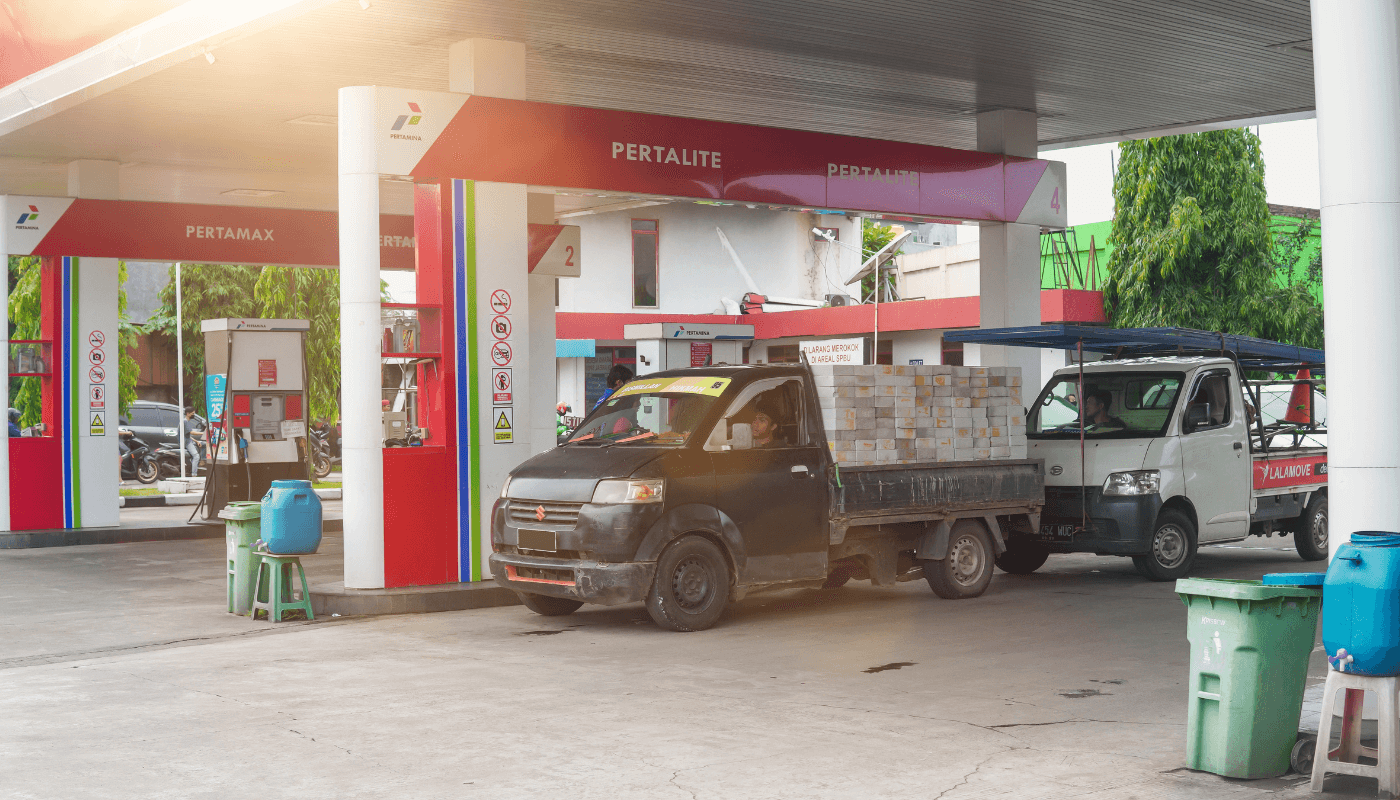
Fuel diversion is a hypothesis worth investigating when refueling records stop making sense for the operation. It should not be presumed from a single discrepancy: changes in route, load, vehicle, maintenance or incorrect form completion may also explain a variation.
That is why the most reliable approach is to maintain refueling management that allows volume, amount, mileage and context of use to be compared. When the data points to an inconsistency, the company can investigate the case using clear criteria and avoid decisions based only on impressions.
See how to recognize signs, organize prevention and act after an incident:
- what constitutes fuel diversion;
- what the impact on the fleet may be;
- how to detect and prevent the issue;
- what action to take after a suspicion is confirmed.
What is the problem of fuel diversion?
Fuel diversion occurs when fuel, refueling resources or funds intended for a vehicle are used for a purpose other than that authorized by the company. It may happen during refueling, fuel transfer or administrative stages of the process.
Not every variation in consumption represents diversion. Before reaching that conclusion, check for changes in route, load, vehicle condition, fuel type, reference period or a data entry failure. The investigation needs to consider records and hear from those involved.
A discrepancy between expected fleet fuel consumption and what was actually recorded can be a warning. Another sign is more refueling events, liters or spending without an operational change that explains this behavior.
The risk increases when controls are scattered or incomplete. Without connecting refueling, vehicle, driver, mileage, route and receipt, it becomes difficult to find out whether there is a discrepancy and which part of the process should be reviewed.
What is the impact of fuel diversion on fleets?
The immediate impact usually shows up in costs: the operation pays for refueling that does not correspond to recorded use. However, the issue is not limited to the invoice amount. Inconsistent information also harms budgeting, consumption analysis and purchasing plans.
Fuel is a significant expense for many fleets, and management should not explain every discrepancy as misconduct. A thorough investigation distinguishes process failures, mechanical issues, changes in activity and any unauthorized use of resources.
When an incident is confirmed, it may involve leadership, Human Resources, internal controls and legal guidance. The response needs to respect company rules, applicable contracts and the right to a defense, without exposing people or anticipating a conclusion before the investigation.
How do you detect and prevent fuel diversion?
1 – Using a way to control refueling amounts
Fuel cards, refueling authorizations or another payment method can link spending to a defined vehicle, driver, limit and period. The resource only works as a control when the company checks the data and defines who handles exceptions.
If the operation uses individual cards, maintain rules for use, blocking, replacement and checking. A predefined limit can help flag an unusual situation, but does not replace analysis of the service performed and receipts.
Compare equivalent situations carefully. Two refueling events with different amounts may be legitimate if vehicles, loads, routes or initial tank levels differ. Comparison should open a question for investigation, rather than serve as proof on its own.
2 – Assessing mileage traveled
Mileage helps relate fuel to vehicle use. Record the reading during refueling and check whether its progression is consistent with the activity reported. Where there is a reading error, an odometer correction or later data entry, document the reason.
Each vehicle's reference consumption may come from the fleet's own history and applicable technical recommendations. Rather than adopting a single target, compare the vehicle with similar periods and consider load, terrain, traffic, weather and mechanical condition.
3 – Controlling fuel consumption
Consumption control organizes the relationship between liters, kilometers, amount paid and activity performed. It allows persistent changes to be noticed and a decision to be made on whether data entry needs checking, the vehicle needs inspection or the refueling process needs review.
A simple approach is to keep track of consumption by vehicle and period, always using the same calculation criteria. Expected and observed consumption are not a verdict: they are references for asking what changed and recording the answer found.
4 – Tracking fleet vehicles
Tracking and telematics solutions available on the market can provide information on location, route, stops, mileage and other driving events. When the company already uses one of these solutions, its data can be cross-checked against refueling records during an investigation.
This information needs to be read in the context of the route and activity. A stop, a different distance or an average speed does not demonstrate fuel diversion in isolation. They may indicate a need to check planning, receipts and other records.
It is also important to define who can access this data, why and how the company will protect the information. Control should support a transparent process, rather than replace conversation and evidence checking.
5 – Implementing refueling management in the fleet routine
Refueling management brings together quantity, amount, liters, consumption, vehicle, driver and operational context. The aim is to make the process verifiable from the request through to checking the entry.
Define mandatory fields, those responsible for validation, checking deadlines and how discrepancies are handled. Also review access to cards, fuel stations, spreadsheets and systems so each stage has a rule known to the team.
With a stable routine, the fleet can identify variations, investigate causes and seek savings opportunities without turning every consumption increase into an accusation. Prevention depends on controls, reliable records and periodic oversight.
What action should you take after discovering fuel diversion?
After identifying a possible irregularity, preserve records and inform those responsible for the internal procedure. Directors or leadership should decide the next steps with support from the appropriate areas, according to company policy.
If a card or refueling authorization is linked to the case, assess preventive blocking in accordance with internal rules to avoid further misuse. Record the measure taken, date and reason so the investigation maintains a clear history.
At the same time, review the process that allowed the incident or made detection difficult. It may be necessary to adjust master data, require receipts, correct limits, train those responsible for data entry or improve mileage and consumption checks.
For more guidance on controlling and saving fleet fuel, take a look at the free e-book (in Portuguese).
Frequently asked questions
How do you detect fuel diversion in fleets?
How do you prevent fuel diversion in a fleet?
Does every variation in consumption indicate fuel diversion?
What is the impact of fuel diversion on fleets?
What should you do after discovering fuel diversion?
// newsletter
Fleet management content, straight to your inbox
Articles on tires, maintenance and fleet operations. No spam.