How technology works in fleet management
 Luiz Felipe 5 min read
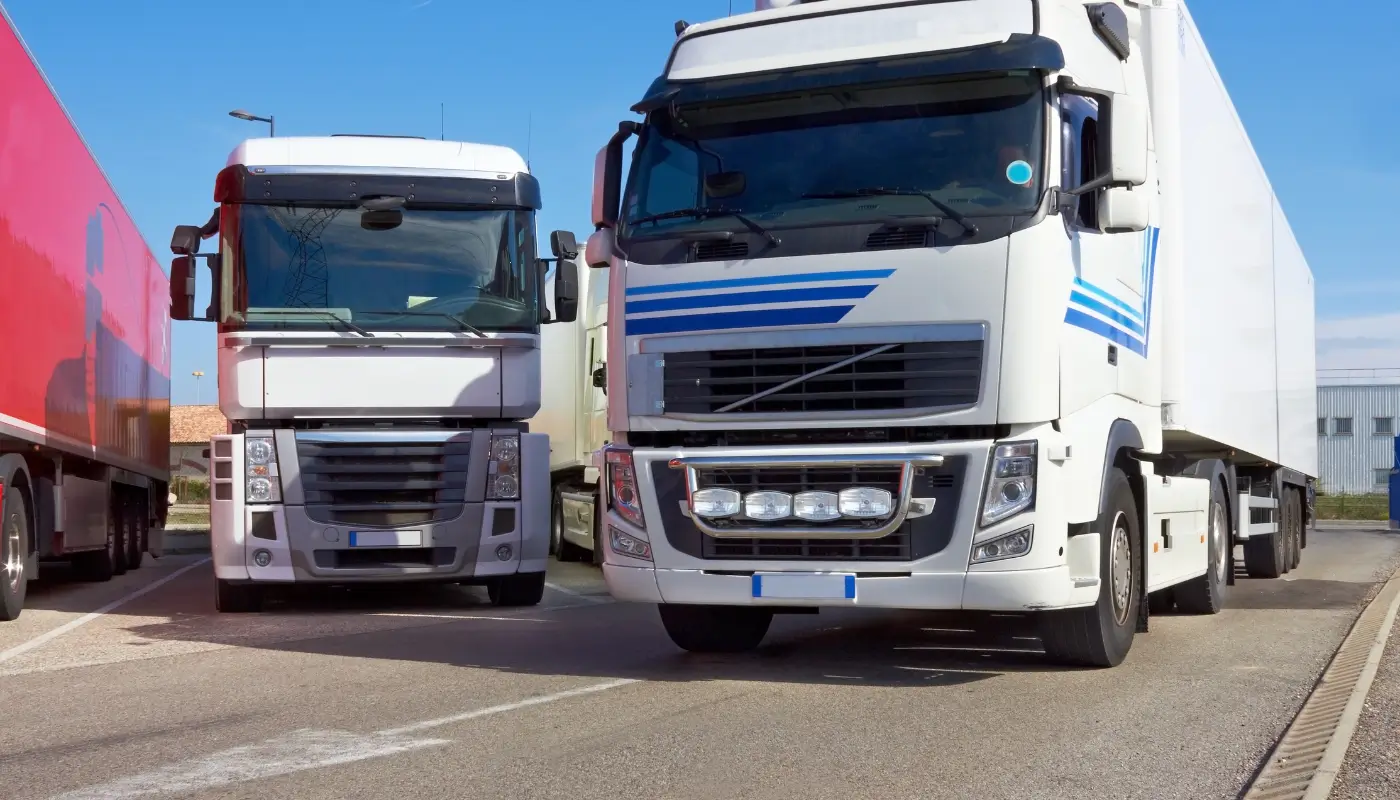
Whether through telemetry systems, maintenance management software or route planning solutions, technology in fleet management is evolving and becoming increasingly indispensable.
Besides providing specific, comprehensive solutions for each stage of fleet processes, when combined they can form a unified, 360º view of operations. This can enable more precise management and achieve operational efficiency and cost reduction results.
However, implementing technological tools requires a strategic approach and planning for both fleet needs and demands and long-term ROI (return on investment).
Explore below:
- The role of technology in fleet management
- How technology works in fleet management
- Examples of new technologies in transport
- How to implement new technologies in fleet management
The role of technology in fleet management
In fleet management, technology’s role is to make existing routines and processes easier and faster. Technology-based solutions can, for example, collect data in greater detail and with more precision than manual tools.
More recently, with the growth and increased accessibility of artificial intelligence, various tools have begun using this resource to further optimize tasks such as route optimization and vehicle maintenance management.
Beyond supporting processes already performed in the fleet, technology makes it easier to implement new activities and even meet latent market demands. One example is the adoption of sustainability practices in transport.
One of the main challenges in meeting sustainable practices is controlling and reducing vehicle pollutant gas emissions, something technology is solving and making possible with little human effort.
How does technology work in fleet management?
This answer may vary according to the type of technology being used.
Maintenance management systems work by collecting vehicle data, allowing the solution to identify and provide alerts about the best dates and services to preserve vehicles and their durability, as well as avoid unexpected operational interruptions.
On the other hand, route planning technology works with real-time data on traffic, weather conditions and the vehicle type used for the route, since within cities, for example, heavy vehicle circulation may be more limited.
In general, technology in fleet management works by collecting and analyzing concrete, highly accurate data on the daily functioning of transport operations.
In addition, many technologies can integrate easily with other solutions in use, ensuring communication between activities and departments for truly efficient management.
Thus, beyond scheduling the processes and activities of one fleet area, the decisions and suggestions provided by each technology undergo adaptations specific to your fleet.
Examples of new technologies in transport
There is a wide variety of technology-based fleet management systems; among some of the main ones, we can mention:
- Fleet management software: these systems can group different features into modules such as vehicle maintenance, vehicle monitoring, fuel control and driver working hours management.
- Internet of Things (IoT): this technology works by connecting different parts of operations to maximize real-time communication.
- Tire management system: this type of system allows you to monitor tire data and automatically calculate asset replacement forecasts and the cost-benefit of each model used.
- Telemetry: an advanced form of GPS, telemetry technology tracks location, speed, routes, stops, the duration of each stop and other information about vehicles on their routes — all in real time.
- Business Intelligence (BI) platform: with the variety of systems implemented in operations, BI platforms can connect and centralize data from multiple sources, creating an overall system and enabling highly accurate reports and analyses.
How can you implement new technologies in fleet management?
Assess fleet needs
The first step in implementing new technologies in fleet management is to assess the fleet’s specific operational needs.
This involves a detailed analysis of daily activities, identifying bottlenecks in performance, vehicle safety, fuel efficiency and any other aspects that could be improved with technological support.
This step comes before purchasing and allows you to understand how technological solutions will be suited to address the challenges faced.
Plan, research and budget
After this initial analysis, you need to develop a strategic plan that includes market research into available technological solutions and a projected budget for this innovation in your fleet management.
It is important to remember to include not only purchase prices but also additional expenses that may arise, such as the cost of platform integration, updates or maintenance.
Your research should also compare different suppliers to assess compatibility with fleet needs, the support offered and the satisfaction of other users in the industry.
Implement gradually and provide training
The implementation phase itself should happen gradually, through a “pilot project” or implementation in part of the fleet, allowing you to identify necessary adjustments before moving to full implementation across the fleet.
At the same time, you can start organizing and running training sessions for team members, including drivers, mechanics and managers — anyone who needs to use the technology and for whom it makes sense.
This way, everything will happen more smoothly without major problems along the way.
Monitor, evaluate and adjust
Monitoring key performance indicators (KPIs) is essential to understand whether results are positive and which areas need adjustments. The most suitable metrics should be identified according to the technology adopted to monitor it effectively.
For a maintenance management system, it makes sense to monitor KPIs such as fleet availability rate, the number of maintenance services performed by type (corrective, preventive and predictive, for example), maintenance costs, among others.
For fleet monitoring technology, you can evaluate fuel consumption savings, average delivery time and so on.
Based on analyses like these, it is possible to gather the information needed to also calculate the ROI generated by the technology adopted in your management.
Meet Prolog, a specialist in technology for fleet management to optimize the performance of your operations. Click here to learn more and schedule your free demonstration.
Frequently asked questions
What should I evaluate when comparing different fleet management systems?
Where should you start implementing technology in the fleet without stopping operations?
What is the difference between a maintenance management system and a route planning system?
How can you tell whether the technology you adopted is delivering a return?
What types of systems are available for fleet management today?
// newsletter
Fleet management content, straight to your inbox
Articles on tires, maintenance and fleet operations. No spam.