9 maintenance management challenges and how to overcome them
 Luiz Felipe 5 min read
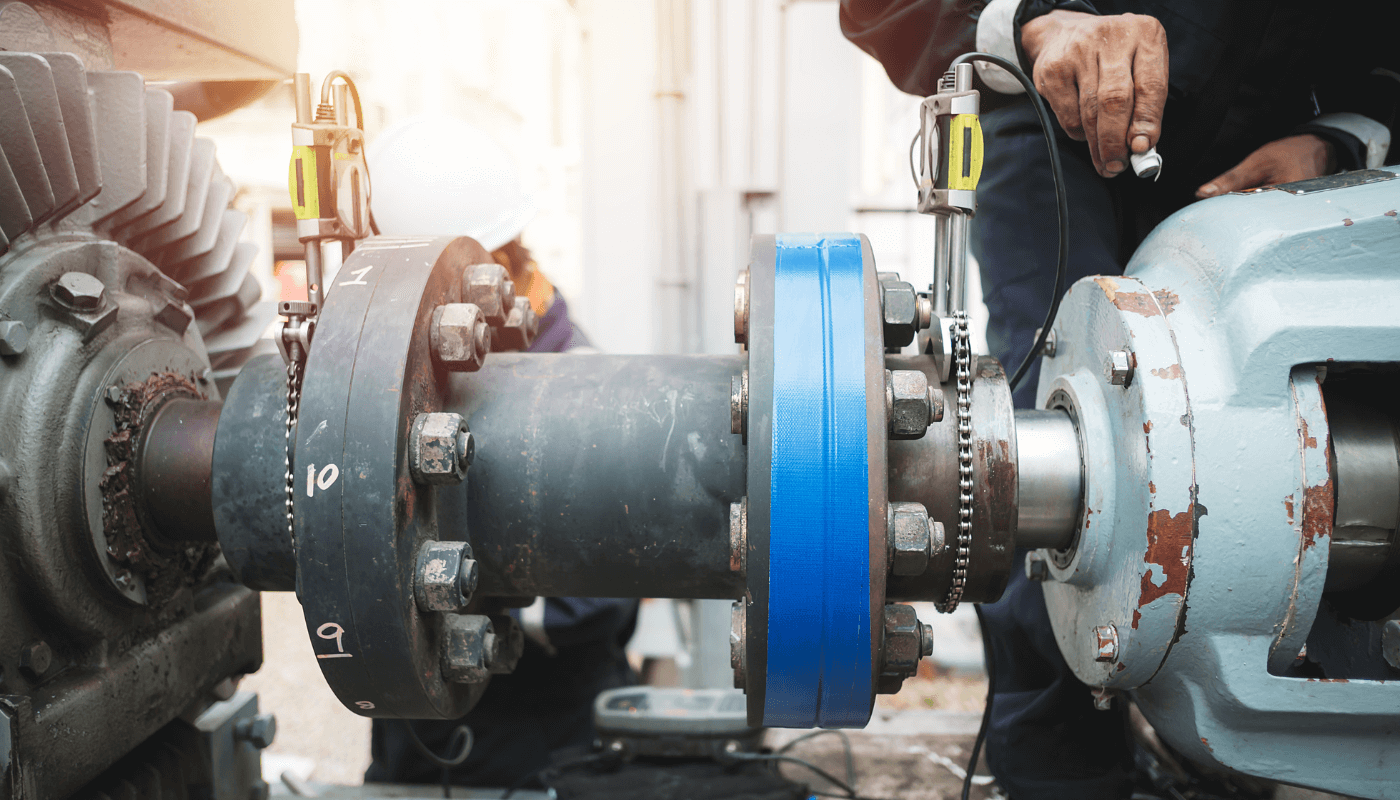
Fleet control is full of maintenance management challenges. This often requires a deeper understanding for good performance focused on solutions.
To manage the department, ideally you should know the main obstacles you may encounter and how to overcome them. This is a distinguishing strength for those responsible for the department.
So, to help you, we have listed some maintenance management challenges below:
- Lack of department organization;
- Defining a maintenance plan;
- Too many manual processes
- Team training;
- Low vehicle durability;
- Unplanned or unscheduled maintenance;
- Low parts quality;
- Acquiring management tools;
- Concrete data analysis.
Lack of department organization
An environment with scattered or mixed-up tools and components can create confusion and disorder, reducing the team's productive time, which ends up being negative when assessing fleet performance indicators.
To overcome this challenge, it is important to:
- Instruct the team to keep the department organized;
- Have a place where equipment can be organized;
- Use spreadsheets and technological systems that help build an inventory and maintenance reports.
Defining a maintenance plan
There is much discussion about improvements and ideas that can help the company grow further. However, they also need putting into practice. Having a manager responsible for implementing improvement ideas is the first step to defining the maintenance plan.
Generally, at the end of each period, whether quarterly, semiannually or annually, complete fleet planning is carried out. In it, you can define the schedule of actions needed to establish comprehensive planning, as well as forecast the budget month by month, etc.
In many operations, large or small, the absence of fleet planning leads to disorganization, as mentioned.
Therefore, by defining a maintenance plan within overall fleet planning, you can resolve issues with maintenance control, costs and even parts inventory.
Too many manual processes
Manually recorded reports and processes are easily lost, may create uncertainty due to different handwriting and are prone to human errors.
In addition, these reports need filing, and consulting them later slows the process.
Today, with so many modern solutions available, it only makes sense to have this technological help.
You will find various types of systems for vehicle management with automated tasks. For example, using the electronic checklist, fleet inspections are entirely created and performed using a computer and mobile phone.
All the work of writing checklist items or marking with a pen the service a truck needs is eliminated.
Team training
To increase maintenance team productivity, the team needs to keep up with equipment development and evolution. For this to happen, the area's manager needs to consider team training so they are qualified and prepared to work efficiently and with quality.
This training takes place through talks, courses and events that provide these updates and interaction about fleet management.
In addition, creating opportunities for employees to exchange experiences can be an interesting way to generate insights and engagement.
Low vehicle durability
Durability concerns fleet vehicles' useful life. Factors such as misuse, lack of maintenance and lack of qualified professionals to handle assets may shorten this time.
To overcome this challenge, it is important to remember the need for constant care of each vehicle, rather than only when it has a failure.
Besides keeping vehicle inspections and maintenance up to date, remember to conduct ongoing training with your operation's drivers and mechanics.
A reduction in a vehicle's useful life may also be linked to unscheduled maintenance:
Unplanned or unscheduled maintenance
Corrective maintenance is more expensive and often causes secondary damage and failures due to a lack of vehicle servicing. Thus, keeping trucks stopped in the workshop reduces the company's number of deliveries and can even delay them.
On the other hand, unscheduled maintenance is described as preventive services that were set aside. This is what ends up creating the need for corrective work in the first place.
Ideally, you should use preventive maintenance and schedule services whenever necessary.
To better manage these stages, one way forward is to work with systems that organize schedules, anticipate truck services and reports, and describe their needs.
Low parts quality
Unbranded or used parts, or those of questionable origin, are not a good option for fleet inventory. This is because they are more likely to fail, creating accident risks.
The price may be attractive, but the consequences are serious — and expensive.
Research reliable suppliers. One way to choose a good supplier is to assess how long they have been in the market and whether they have certified partnerships with vehicle manufacturers, offering quality items with a warranty.
Acquiring management tools
If the way you manage your fleet's departments is still manual, we can imagine how difficult it is to control data about all its assets and vehicles.
The issue lies not just in rework and lost operational efficiency, but also in making decisions and using internal fleet knowledge to plan new actions.
After all, if the information generated is unreliable, how can you use it to support the company's next goals?
The best solution is a maintenance management system, which allows issues to be described, inspections and maintenance to be scheduled with priorities defined, and a history to be kept that helps you understand the identified issue.
Concrete data analysis
For business expansion and direction in the maintenance department, you need to pay attention to company process results, which is only possible through data analysis.
This information is collected during the work routine. However, it rarely comes up in meetings because of a lack of technologies that help deliver quick, accurate results.
To access complete reports with simplified, intuitive analyses, it is important to add software that helps overcome maintenance management challenges and also provides performance charts.
To continue learning about maintenance management challenges and what you can implement in your routine to generate greater savings, safety and productivity, download our Practical Maintenance Management Manual (in Portuguese) — it is free.
Frequently asked questions
What are the challenges of fleet maintenance management?
How do you build a fleet maintenance plan?
Why do manual processes hinder maintenance?
Is it worth buying cheaper parts for the fleet?
What reduces fleet vehicles' useful life?
How does a maintenance management system help day to day?
// newsletter
Fleet management content, straight to your inbox
Articles on tires, maintenance and fleet operations. No spam.