Reducing fleet risks: technologies that help
 Luiz Felipe 3 min read
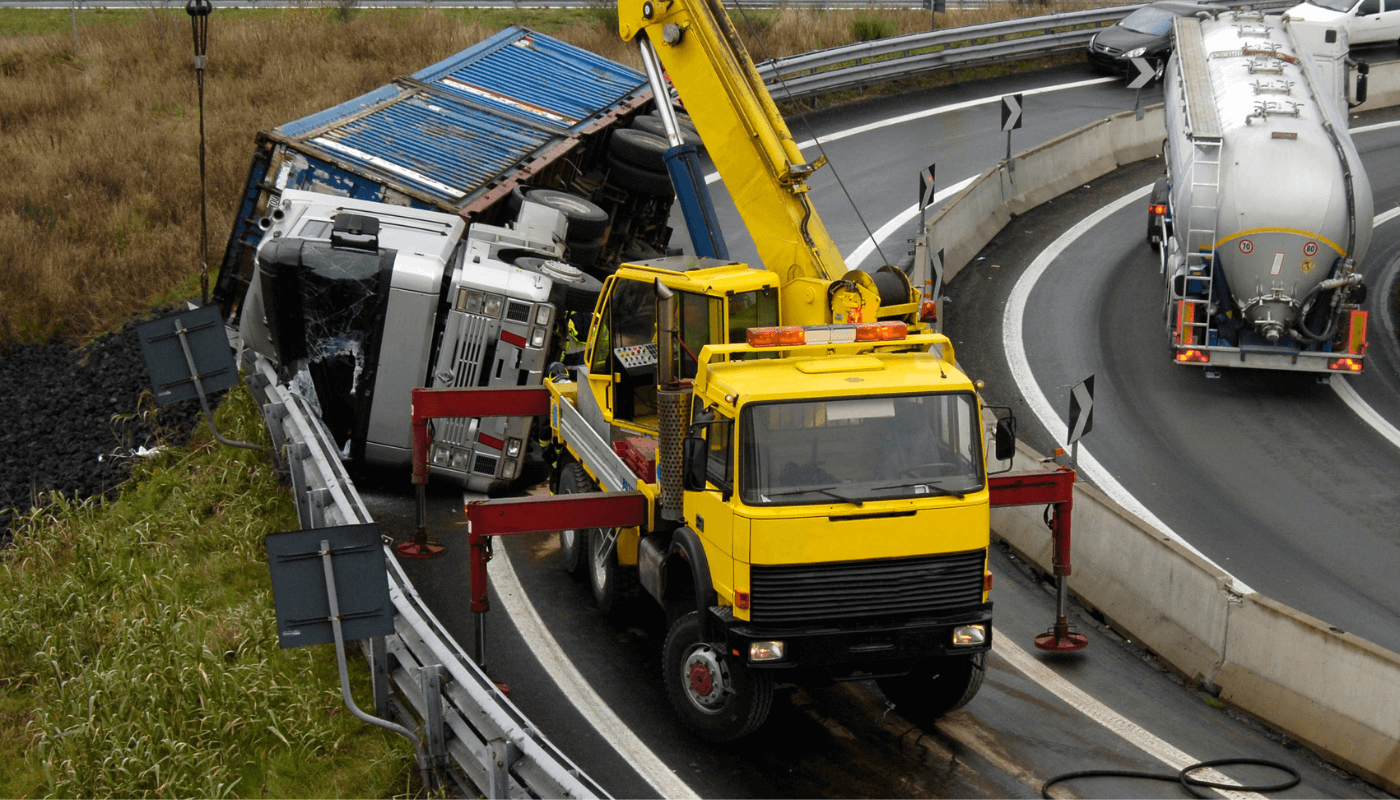
Technological advances bring more and more solutions that improve fleet control, with reduced road accident risks as a positive outcome.
Companies offering logistics technology solutions, also called logtechs, provide systems that allow monitoring from a vehicle's departure on a route to its return.
They therefore help identify operational performance, such as the driver's actions along the route and needs recorded during the journey.
As someone responsible for a fleet, you need to keep an eye on what is new on the market. That is why we have listed some of the main risk reduction technologies below, including:
- Fleet and cargo monitoring and tracking;
- Tire Management;
- Electronic Checklist;
- DMS – Driver Monitoring System.
Technologies for reducing fleet risks:
Fleet and cargo monitoring and tracking
Through apps and digital maps, the person responsible for fleet management can see the movement of the vehicle and cargo in real time.
Although the system does not prevent theft and accidents, it helps keep journeys safer in emergencies, guiding the driver along a new route when necessary, quickly and efficiently.
The system also offers distinctive functions, such as:
- Checking planned routes;
- Reason for route changes;
- Vehicle speed during the trip;
- Acceleration and braking data;
- Vehicle stopped time;
- Driver working hours.
Tire Management
(video in Portuguese)
Tire management has many features. One of the main ones is identifying and registering tires, vehicles and employees to start managing the assets.
After the first step, you can carry out and/or monitor tire relocations, identifying the replacement date, the position where the tire was installed and what happened to the tire removed from the vehicle — whether it went for retreading or disposal.
In both cases, the person responsible can include photos of the tire in question and describe the reason for selecting the service or disposing of the part.
The tire management system also automates CPK calculations and reports and charts on the assets' condition. This enables managers to carry out more accurate analyses and make effective operational decisions.
When tire care is kept up to date, reduced risk is a welcome result. By avoiding flat tires, tires with low pressure or worn tires, reducing the chances of skidding, hydroplaning and even blowouts, you have safer and more economical trips.
Electronic Checklist
An electronic checklist works like a paper checklist: it checks the truck's main components before leaving on a route and even at each stop during a trip. In other words, it makes travel safer during deliveries.
Quickly and conveniently, a list of items appears on the phone screen with just a few clicks, allowing each inspected item to be intuitively marked OK or NOK (compliance or non-compliance).
Besides allowing the recording of inspections carried out by the team, opening work order requests and storing maintenance and inspection data, the electronic checklist:
- Generates customized checklists;
- Creates service schedules;
- Stores maintenance history;
- Enables special support for each truck;
- Allows instant access to vehicle data and reports.
Driver Monitoring System
DMS, short for Driver Monitoring System, is a system based on artificial intelligence. It operates through a camera inside the driver's cab, detecting dangerous driver behavior and issuing an instant alert.
In this way, it contributes greatly to reducing fleet risks.
This is the same technology used for assisted, semi-automatic or automatic driving systems. It also allows fleet managers to access and evaluate the truck's driving and status in real time.
The Driver Monitoring System captures movement and interior images that may indicate driver distractions, such as smoking or talking on a phone while driving. It also detects signs of tiredness and fatigue, such as yawning or closed eyes.
In exterior images, it can identify direct collision risks through the proximity of objects, vehicles and people.
Even with traffic laws and each company's Fleet Policy, some risk situations are beyond our control. That is why technology solutions need to be implemented to reduce risks and improve fleet safety.
Prolog provides some of these solutions, such as tire management and electronic checklists. Learn more about them on our website.
Frequently asked questions
How does technology help reduce fleet risks?
What does fleet and cargo monitoring and tracking do?
What is DMS, the Driver Monitoring System?
How does tire management reduce fleet risks?
How does an electronic checklist contribute to safety?
Which of these technologies does Prolog offer?
// newsletter
Fleet management content, straight to your inbox
Articles on tires, maintenance and fleet operations. No spam.