Lines on new tires: what the colored stripes mean
 Luiz Felipe 3 min read
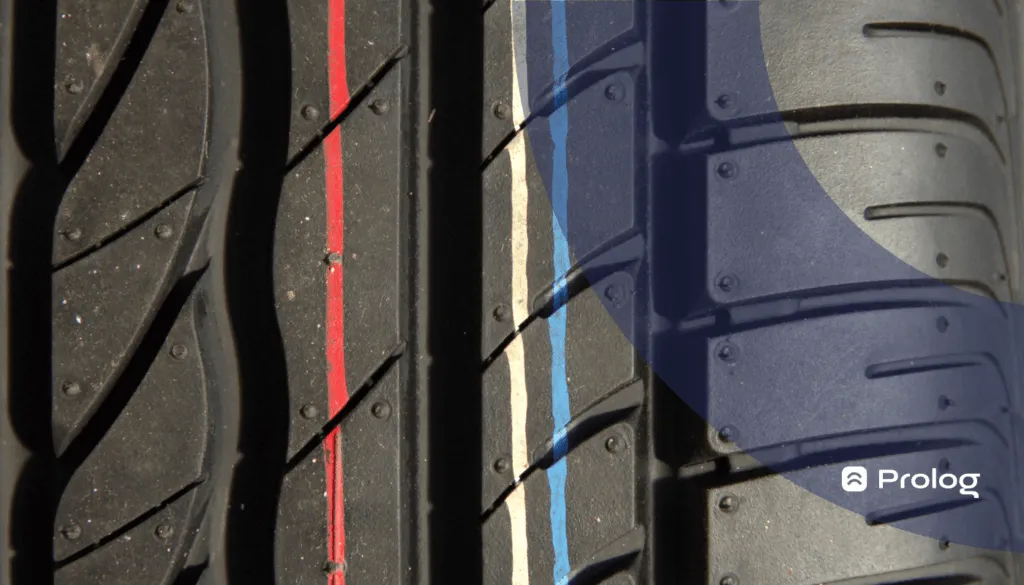
In a store, you will notice colored stripes on new tires. They are on the tread, with varying numbers of lines and colors. But what do they mean?
Contrary to what some may believe, these stripes do not represent any defect. They simply help manufacturers control tires to improve distribution to retailers.
Today we will explain their purpose, importance and why you, as a tire buyer, need not worry about them.
Below we answer the main questions about colored stripes on new tires:
What do colored stripes on new tires mean?
Factories use colored stripes to catalog and separate tires by specific model, helping with storage and distribution.
These stripes are used only during manufacturing and have no use for retailers, buyers or fleet managers.
So what are colored stripes on new tires for?
They essentially act as alphanumeric codes detailing tire type and parameters, helping with organization inside the factory and with inspection before shipment to retailers.
They can indicate maximum variable radial force deflection, valve position, tire size, quality test approval and other essential manufacturing data.
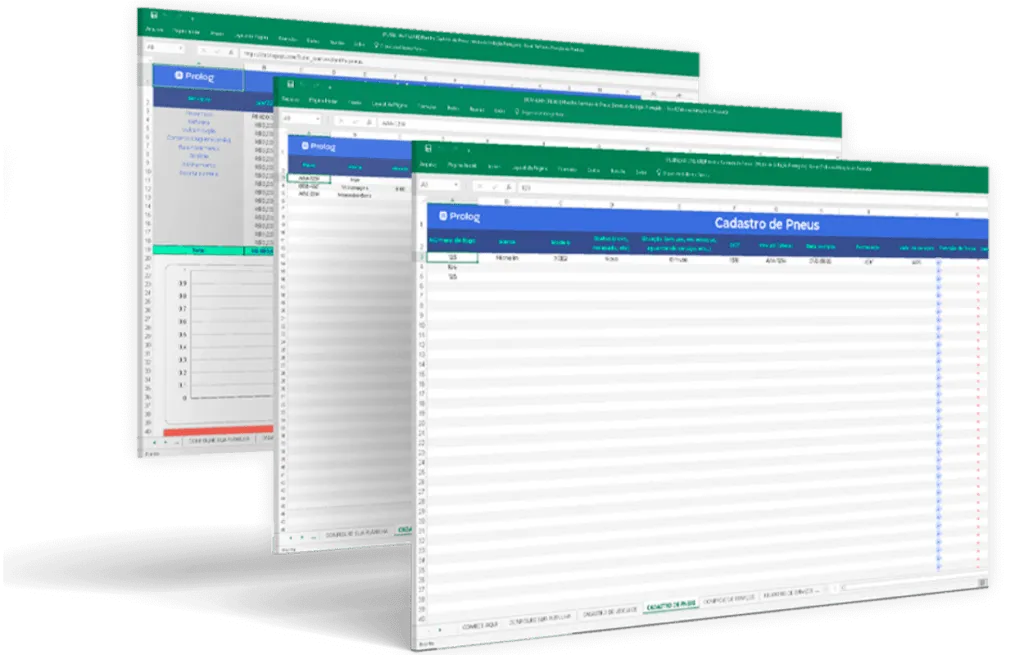
Tire Control Spreadsheet
Organize fleet vehicles, tires and service costs in one place.
Do they need preserving?
No. Since they have no use in fleet tire management, they need not be preserved. They also disappear quickly once tires enter use.
Do stripes affect tire quality in any way?
Again, no. Stripes are only applied superficially and do not affect performance. In fact, as mentioned, they soon disappear after the tire starts running on roads.
Do they play any role in tire management?
The sole purpose of colored stripes is production; they are unnecessary in any other situation.
You are therefore responsible for marking your tires yourself for identification in fleet tire management whenever you make a new purchase.
What is actually necessary for tire management?
For fleet tire management, hot branding is important. A hot iron tool marks each tire's individual identification on its casing.
An electric marker can also create this identification as soon as the tire arrives at the fleet. It is not factory-applied. Each company responsible for its fleet should register its tires with unique identification to help management.
After marking, add the identification to management software and you are ready. The app lets you follow tire inspection and maintenance needs intuitively, automatically and quickly.
Bonus: how do you know if a tire is new?
A few small tips can help you choose a tire when buying and avoid scams. The first is identifying a tire's useful time even if its new-tire colored stripes are gone.
Check DOT, known as the “genetic code,” or rather, tire age. It appears in the tire sidewall information and can be checked through the final two numbers recorded on the tire: its manufacturing year.
If the number is “0421,” manufacturing occurred in month 04 of 2021. Remember this guidance: always prefer manufacturing in the current year.
The second tip:
Avoid judging tires by wear in the store, since even stored tires can show traces of corrosion. For example, colored stripes may be gone.
But take it easy, all right? Storage wear is minimal and can result from transport, constant relocation or cleaning off dust.
The third tip helps identify a top-tier tire. There are few secrets: look at the major tire makes. Names like Bridgestone, Continental, Goodyear, Michelin and Pirelli are very popular and have excellent production quality.
The final and most important suggestion:
Do not assume only major-brand tires are good. Many other ranges have tires sufficient for your fleet. Before any purchase, consult a specialist and identify your company's and vehicles' needs.
A professional will find a tire that can work perfectly for each vehicle's needs, terrain, cargo volume and type.
Tire management is also essential to identify the best-performing tires in your operations — essential for savings too. To understand this further, download our free tire management e-book.
Frequently asked questions
Do colored stripes indicate a tire defect?
What are colored stripes used for inside the factory?
Do I need to preserve stripes for fleet tire management?
How should each fleet tire be identified?
How do I know the tire I am buying is new?
Are only major-brand tires suitable for fleets?
// newsletter
Fleet management content, straight to your inbox
Articles on tires, maintenance and fleet operations. No spam.