Construction vehicles: examples and fleet management
 Jade Zart 4 min read
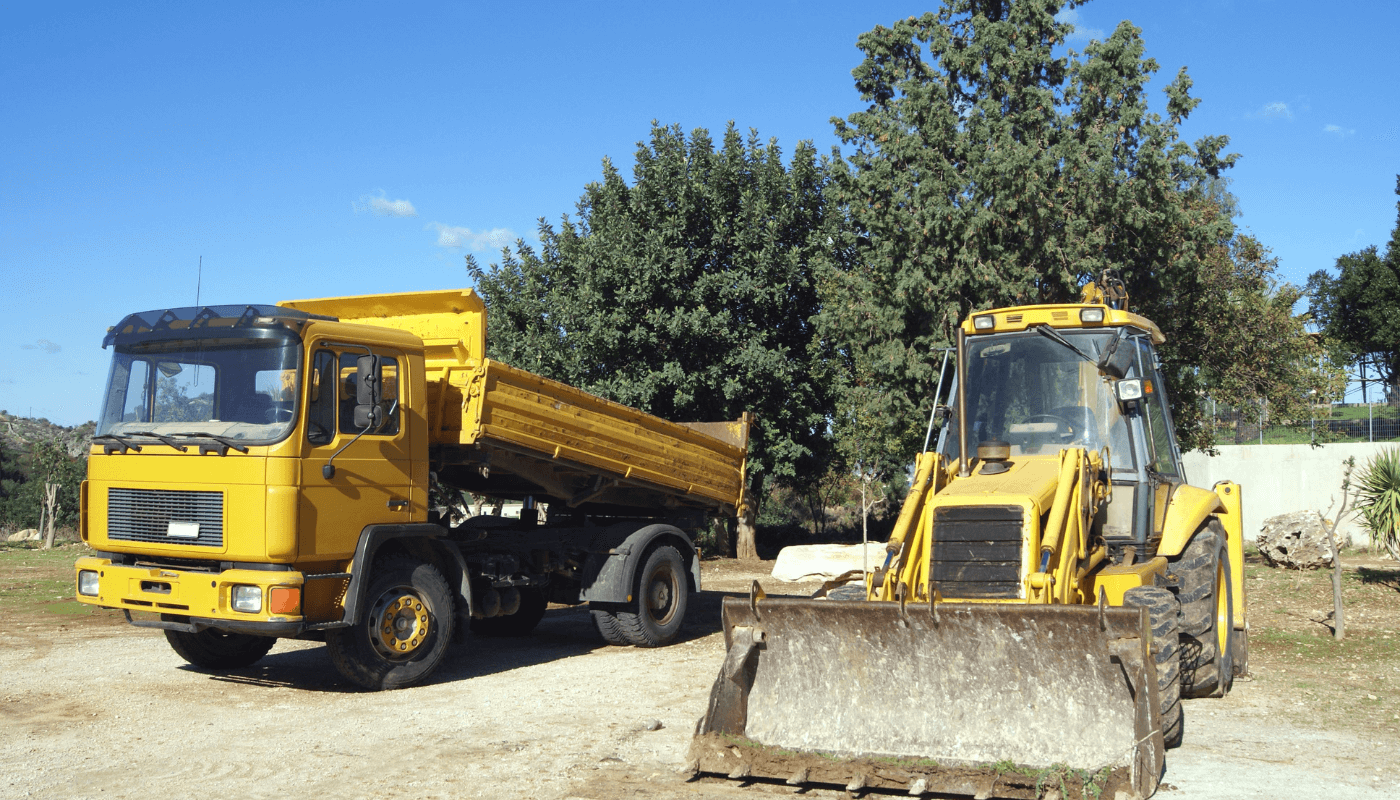
Companies that work with construction vehicles, such as engineering and construction companies, need good fleet management to prevent excessive vehicle damage.
Since these are all heavy vehicles, damage and greater wear are more common than in other fleet types. However, with proper care, they can also last longer and reduce operational costs.
Maintenance deserves particular attention, since this is when the main issues are identified and corrected before they cause the loss of assets.
Explore:
- Which vehicles are used in construction;
- How to manage these fleets;
- What maintenance care construction vehicles need.
Which vehicles are used in construction?
As mentioned, they are heavy vehicles capable of supporting and transporting materials such as bricks, sand, stones and so on. They also need a sturdy structure to travel on construction terrain, which in many cases is uneven and full of dirt and debris.
Some examples include:
- Cranes;
- Backhoes;
- Forklifts;
- Tank trucks (in Portuguese);
- Concrete mixers;
- Tow trucks;
- Tractors.
How do you manage construction fleets well?
To achieve positive returns from construction vehicle management, you need to follow a set of actions generally similar to those of any fleet: controlling costs, maintenance, refueling, tires, among others.
Good fleet management must start by identifying the greatest difficulties in the industry to provide plans relevant to your situation. Among the most common are difficulties with vehicle upkeep, unstable fuel prices and tire durability.
See what else matters in construction vehicle fleet management:
Financial control
This fleet type has a high value, making it essential to keep close control of daily and overall operational costs, recording all spending and marking unexpected expenses.
By analyzing the amount spent beyond the monthly budget and managing the entire fleet, you can see the issues that led to higher costs and identify the best solutions.
Route planning
Moving construction vehicles needs careful consideration for two main reasons:
- They are very heavy, weighing metric tons even without a load.
- Many urban roads do not permit these vehicle types, making it necessary to know city laws and plan accordingly to avoid fines and accidents.
In addition, moving such a heavy vehicle has high fuel consumption. Routes and the need to move the truck must therefore be carefully analyzed and planned.
Tire management
The vehicles’ weight means the engine needs more effort to move, also generating greater tire friction. So even when produced specifically for construction vehicles, these assets wear faster.
Since these parts have a high purchase cost, keeping track of their wear and taking all necessary measures to avoid premature loss is crucial to reducing fleet costs.
Similarly, caring for tires prevents greater damage to vehicle structures. This saves you money twice—on tire purchases and vehicle repairs.
Preventive maintenance
Giving special attention to fleet maintenance, identifying the specific care each vehicle type needs and providing the necessary tools for everything to happen quickly and consistently is fundamental.
While corrective maintenance may seem an option because it brings no ongoing day-to-day operational costs, its one-off charges are higher than a preventive maintenance routine.
The second alternative involves daily care, using vehicle checklists to anticipate issues. As mentioned, it brings more frequent management costs, but with a lower accumulated amount than a vehicle repair.
Also, when the vehicle goes straight for correction, it is idle longer and may have a reduced useful life.
Precautions when planning maintenance for the construction vehicle fleet
Since construction fleets can have different vehicle types, you must pay attention to maintenance planning. For example, consider that a tank truck needs a different inspection checklist from a forklift.
After all, despite some similarities, each checklist consists of different items, and even the vehicles’ operation brings different issues. While one may be more susceptible to worn tires, the other faces more leak issues.
You must therefore plan and create checklist templates for each vehicle you have. You also need to understand how often each machine needs checking.
Creating inspection schedules is very useful when instructing drivers and other employees about maintenance needs. That way, nobody is unsure about when to check the vehicle and what to look for.
To plan vehicle preventive maintenance even better, you need to know how to put together your maintenance plan efficiently, the best tools to make the process easier, and much more.
That is why we have also prepared a very comprehensive post on the subject, covering everything you need to know about vehicle preventive maintenance.
Frequently asked questions
My construction vehicles break down more than road trucks. Is that expected?
Is preventive or corrective maintenance more worthwhile in a construction fleet?
Can I use the same checklist for a forklift and a tank truck?
Why do construction vehicle tires wear so quickly?
Why is route planning different for a construction fleet?
Where does the financial organization of a construction fleet begin?
// newsletter
Fleet management content, straight to your inbox
Articles on tires, maintenance and fleet operations. No spam.