Digital and electronic checklists: the difference
 Luiz Felipe 5 min read
A digital checklist is one of the most important fleet management tools a manager can have. With it, you can ensure good performance and availability of the company's vehicles.
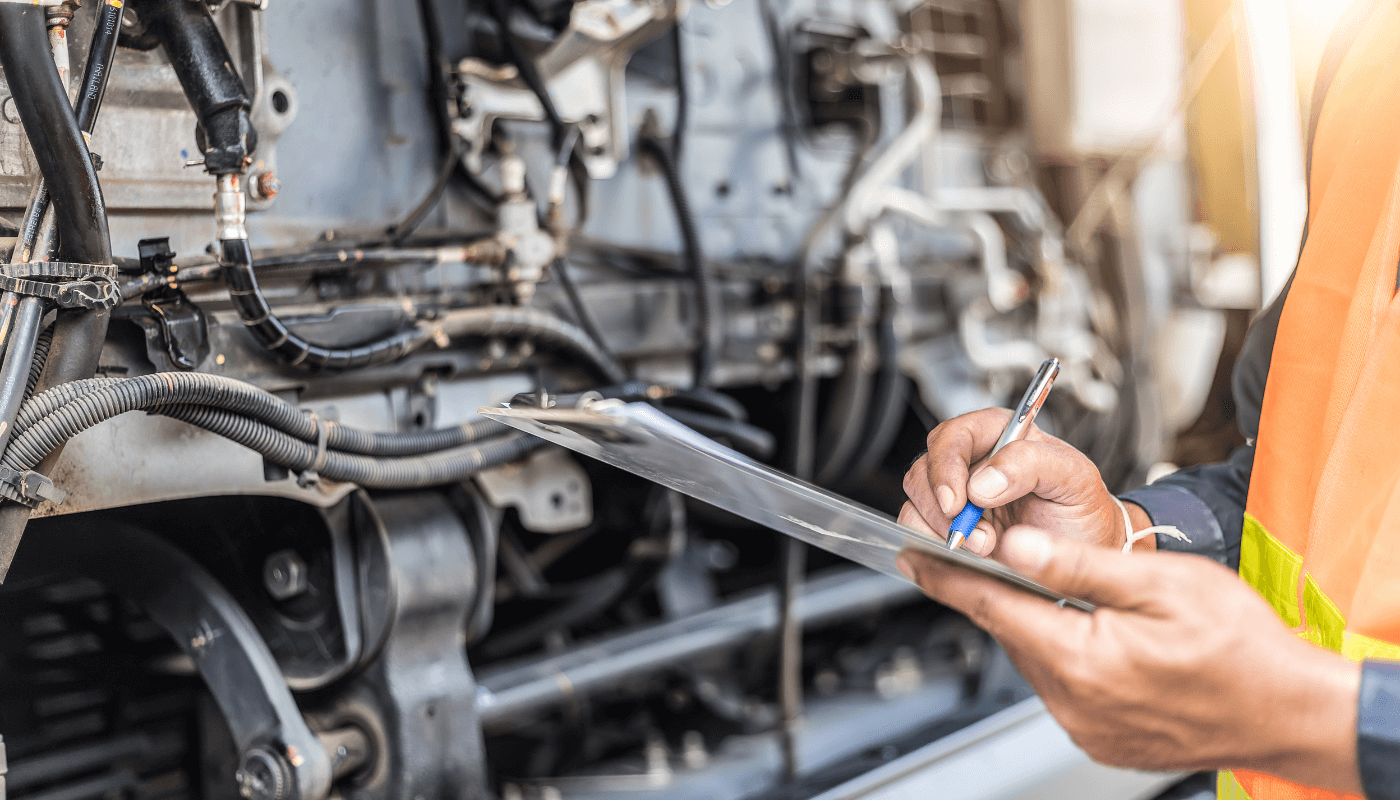
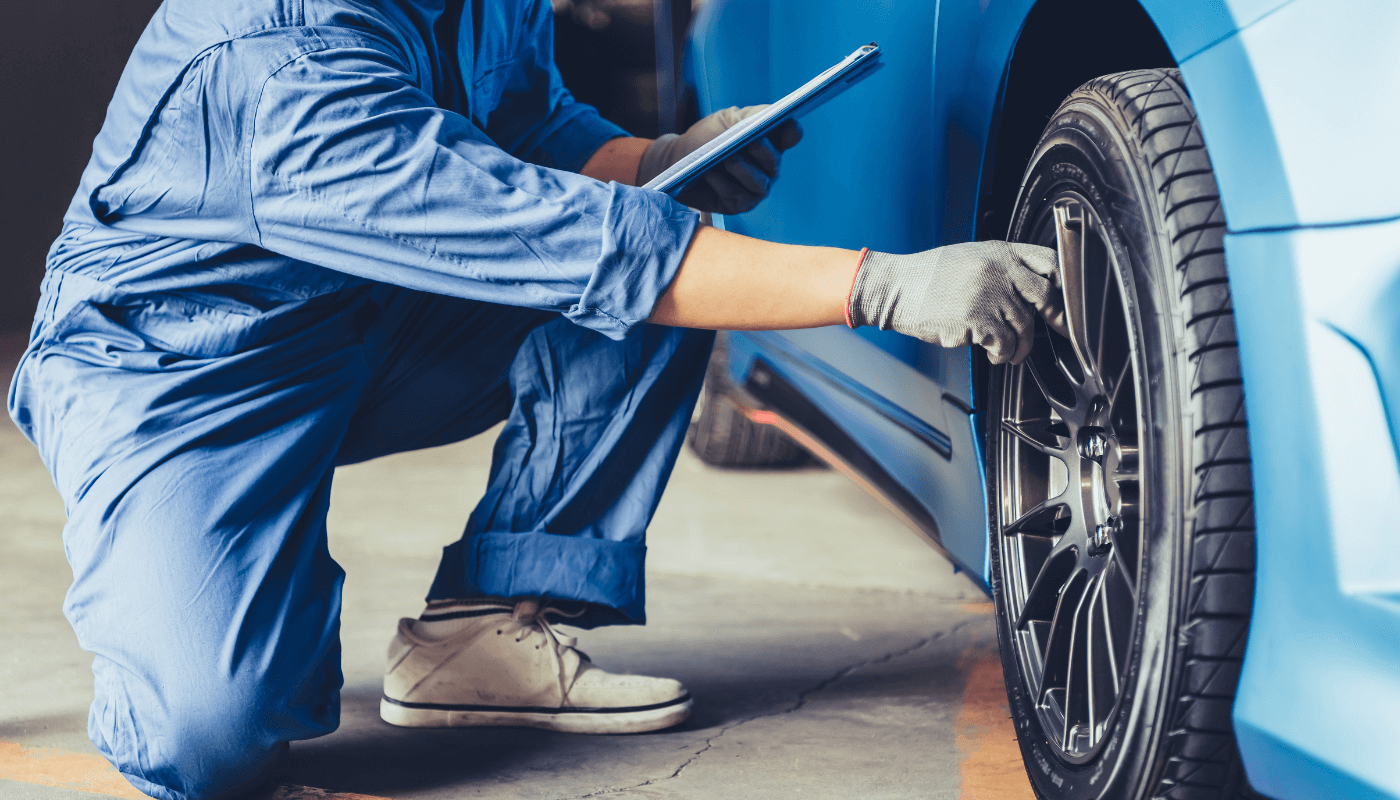
To better understand how it works, the checklist system is a kind of list of items that make up vehicles and need to be inspected before and/or after a trip. For example, headlights, seat belts, hazard lights, among others, which should be checked at certain frequencies.
Lists can be created according to each fleet vehicle's priorities and needs, whether a car, truck, motorcycle and so on. In other words, it is fully customizable, offering a range of advantages that generate savings and increase the fleet's useful life.
In this post, see:
- The difference between an electronic checklist and a digital checklist;
- What a digital checklist is;
- How a digital checklist works;
- Why use a digital checklist.
What is the difference between an electronic checklist and a digital checklist?
The truth is: in Brazilian fleet management usage, there is no difference. Both electronic checklist and digital checklist refer to the same solution and are simply synonyms.
In both cases, you will find these two names for a product that offers:
- Simplified vehicle inspection, making the process much faster, more practical and organized, while reducing the chance of errors when entering data.
- Greater efficiency in vehicle maintenance management, since the checklist system makes it possible to create preventive maintenance schedules and store their history.
- Data storage, making it possible to keep track of the vehicle's condition at each inspection and its servicing history, while improving decision-making speed, company productivity and data security.
- A single solution supporting different vehicles, since the digital system allows individual checklists to be added for each vehicle in the fleet.
So, what is a digital checklist?
A digital checklist is a list of a vehicle's components, used on a mobile device to check the vehicle's condition, whether light or heavy.
This checklist can include the condition of parts, safety items, documents, among others. The greatest differentiator of this technological solution is the ability to create questionnaires that best suit your operation and customize them whenever needed.
This makes it possible to add and remove elements quickly and conveniently.
It is an excellent option for preventing problems, reducing costs and servicing time, and improving operational safety.
How does a digital checklist work?
The checklist platform is very simple and intuitive, and, like any app on your smartphone, it is downloaded and installed. Users log in with their own details and start using the tool.
First, the manager in charge creates the lists through the web system. Then, any user can carry out inspections by accessing the ready-made lists through the app.
When creating your inspection checklist, you need to consider how often it will be used and what it focuses on. For example, daily checklists should include:
- Brakes;
- Headlights;
- Fuel level;
- Seat belts;
- Etc.
A complete checklist, meanwhile, should consider each item making up the vehicle's major systems:
- Electrical;
- Mechanical;
- Safety;
- Etc.
Each checklist also has identification data for the driver and the vehicle to be used on the route, such as name, driver's license (CNH in Brazil), truck license plate, among others. However, this information is already requested automatically in all checklist processes; you do not need to worry about including it every time.
Once it is ready, the driver accesses the app daily and selects “OK” when the item is compliant and “NOK” when a component shows a failure.
Data will be saved and sent to the fleet management center, where results can be analyzed, leading to corrective maintenance being opened or servicing being rescheduled.
Remember that each vehicle has its particularities. The items in the checklist should therefore consider this factor too.
Why use a digital checklist?
Technology always brings innovative products that make our routine easier, and the digital checklist is an excellent solution for improving a fleet's preventive maintenance processes.
After all, you probably remember the paper checklist routine, right? Printing the sheets, distributing them to drivers, having drivers manually add all the information and then organizing everything in management spreadsheets.
You also have to ensure enough space on the sheet for everything to be legible, make several copies to carry in each vehicle and store them somewhere safe so they do not get lost, among other tasks.
Even though all this is possible, especially in small companies, it is tiring, tedious work you do not need to go through with a digital checklist.
It even makes things easier for drivers, since they can hold their phone with one hand and check the vehicle with the other. Other benefits include:
- Real-time system updates, allowing managers to see reported issues and open work orders as soon as they are added to the platform;
- Automated and varied reports for the manager's needs;
- Faster preventive and corrective maintenance, with mechanics also having real-time access to the issues they need to fix as they are recorded;
- Accurate maintenance plans for the transport company and better budget allocation for purchasing parts and tires;
- Increased safety, ensuring vehicles with open critical items are prevented from departing on a new route.
Here at Prolog, we have developed a digital checklist platform that provides all these benefits and more.
To learn about it, get in touch through our website; our employees are ready to answer your questions and give a demonstration.
Frequently asked questions
What is the difference between an electronic checklist and a digital checklist?
How does a digital checklist work day to day?
What should a vehicle checklist include?
I still use paper checklists; what changes with a digital one?
Can I have a different checklist for each vehicle in the fleet?
// newsletter
Fleet management content, straight to your inbox
Articles on tires, maintenance and fleet operations. No spam.