How drivers' perspectives can impact your fleet management
 Jade Zart 4 min read
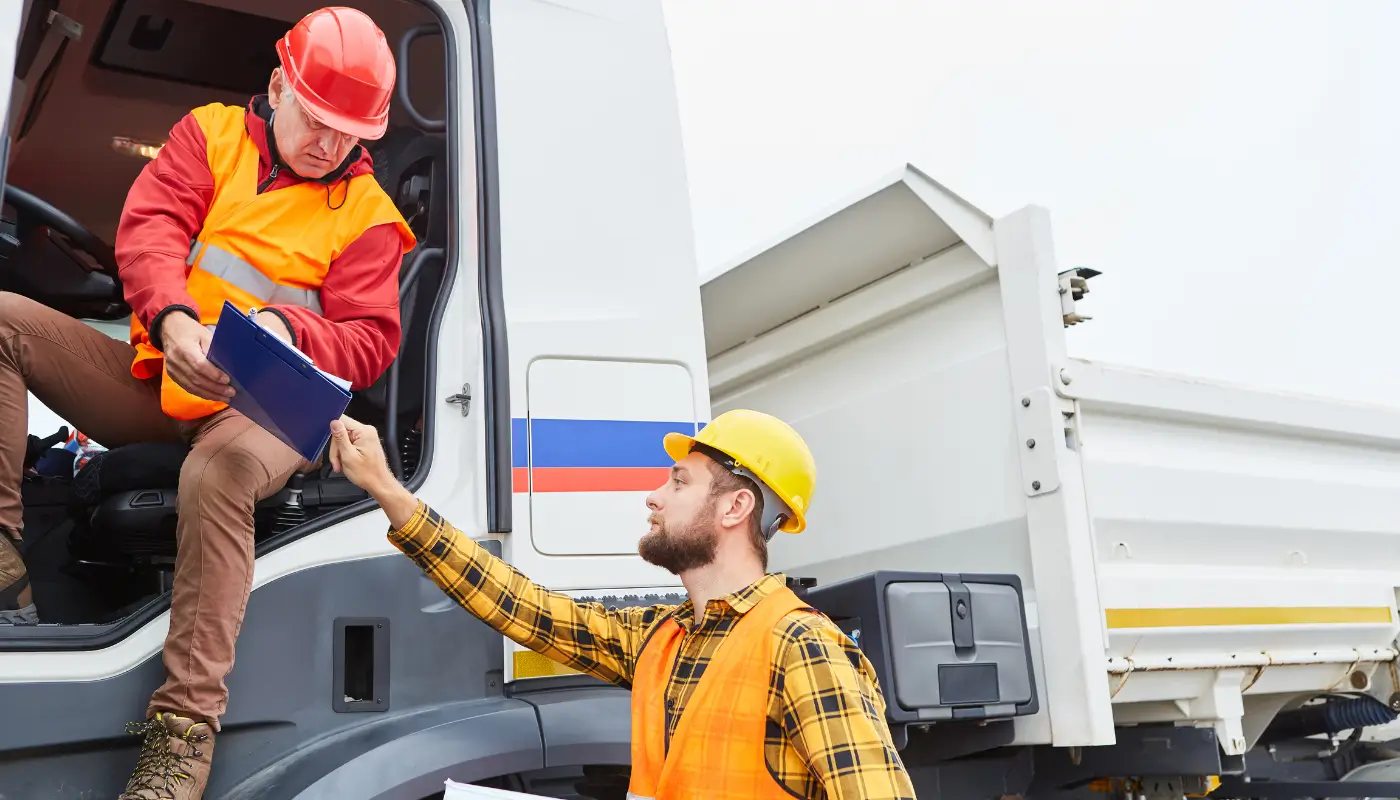
Drivers' perspectives in fleet management are often underestimated, but are very important in transport operations.
These professionals, who are on the front line of daily operations, have their own view of the challenges and opportunities they face.
Understanding drivers' views therefore goes beyond collecting feedback; it means recognizing the importance of their practical experience and perceptions in improving management strategies.
See below:
- The importance of drivers' perspectives in fleet management
- How to recognize drivers' perspectives in fleet management
- Managers and drivers: how to align different views on fleet management
- What to do when a driver and manager cannot see eye to eye
- Initiatives that can strengthen driver engagement with fleet management
Why are drivers' perspectives important in fleet management?
Their importance lies partly in their ability to provide practical, detailed information about daily operations. Drivers' experience in fleets involves dealing with road realities, vehicle condition and, sometimes, customer interactions.
They can therefore contribute to route efficiency, identify potential maintenance problems before they become critical and suggest improvements to safety and the overall operation.
In addition, by involving drivers in decision-making, companies can increase employee engagement and satisfaction, resulting in a more motivated team and lower staff turnover.
How can you recognize drivers' perspectives in fleet management?
Drivers' perspectives in fleet management can be recognized through regular meetings, surveys or driver feedback platforms about fleet management, where they can share observations and suggestions.
It is important to build an environment where drivers do not feel pressured when expressing their ideas and concerns.
Analyzing performance data collected by telemetry systems can also provide objective insights into working conditions and driving practices.
By integrating this information with direct driver feedback, fleet managers can obtain a complete and accurate view of the challenges faced and opportunities for improvement.
Managers and drivers: how to align different views on fleet management
Aligning managers' and drivers' views on fleet management is essential for operational success and depends on a partnership between both sides.
This partnership begins with a mutual understanding of the realities faced day to day. For managers, this means spending time in the field, experiencing drivers' working conditions and understanding the challenges they face.
Likewise, it is important for drivers to have a clear understanding of management's objectives and expectations. This is part of the driver's role in fleet management.
Workshops, meetings and feedback sessions can be used to promote dialogue and the exchange of perspectives, aligning both how managers can help drivers and drivers' contributions to fleet management.
What should you do when a driver and manager cannot see eye to eye?
When a driver and manager face communication difficulties in fleet management, it is essential to approach the situation with empathy and strategy.
One approach is to hold mediation sessions facilitated by an impartial third party to help clarify misunderstandings.
It is essential for managers to demonstrate a genuine willingness to understand the issues drivers face. The reverse is also important, but the manager should lead this type of action in difficult situations.
In addition, revisiting and, if necessary, adjusting fleet management policies and procedures to ensure they are fair and realistic can help align expectations.
Initiatives that can strengthen driver engagement with fleet management
Recognition and reward programs
Implementing recognition and reward programs is a way to strengthen driver engagement with fleet management. Recognition can take the form of bonuses, prizes or public recognition.
To measure individual performance, a driver ranking may be the best resource.
Ongoing feedback
Promoting regular feedback sessions and keeping communication channels open are essential to keeping drivers engaged.
In these sessions, drivers can share experiences, challenges and suggestions, while managers can provide clear, constructive guidance.
Driver training
Offering training, especially when directed at inappropriate driver behavior, can cause friction between management and drivers.
However, it is essential that all drivers go through personal and professional development stages in their work. You should therefore find the best way to implement this training and maintain a good relationship with your team.
Programs can include training on new technologies, safe driving practices and the development of communication and leadership skills.
Involving drivers in more strategic decisions
Including drivers in fleet management's operational decisions can strengthen their engagement. When drivers participate in decision-making, they feel more valued and responsible for the operation's success.
This can be done through driver committees or brainstorming sessions, where they can contribute ideas and feedback about management practices.
Want to stay up to date with the latest trends and best practices in fleet management? Subscribe to Prolog's free newsletter (in Portuguese) and receive tips, insights and strategies directly in your inbox to improve your fleet's efficiency and driver engagement.
Frequently asked questions
My drivers report no problems until things get out of hand. How can I change this?
How can I align the manager's view with that of the person driving?
The manager and driver are stuck in an argument, and neither will give way. What should we do?
Which initiatives actually increase driver engagement?
Training offered after inappropriate behavior causes friction. How should it be handled?
// newsletter
Fleet management content, straight to your inbox
Articles on tires, maintenance and fleet operations. No spam.