Fuel savings: 10 beliefs, 4 of them myths
 Jade Zart 5 min read
When fuel is expensive and margins are tight, finding safe ways to reduce costs and save fuel remains an important way to keep operations steady without harming the transport company, drivers or customers.
In general, this is already a goal for every fleet manager. However, in the search for alternatives and knowledge to reduce consumption, we come across various myths that can even cause losses when turned into rules for driving, refueling or maintenance.
So, how do you know which practices actually help generate savings?
The internet is the most accessible place for this type of information, but you need to be careful about what you read, because not every source is reliable and not every tip applies to trucks, commercial vehicles or fleet routines.
That is why we prepared this post to help you save without damaging the fleet. Take a look at these beliefs and whether they are true or just myths:
- Always driving in a high gear saves fuel;
- Coasting downhill saves fuel;
- Up-to-date maintenance helps with fuel control;
- Additives reduce fuel consumption;
- Air conditioning increases fuel spending;
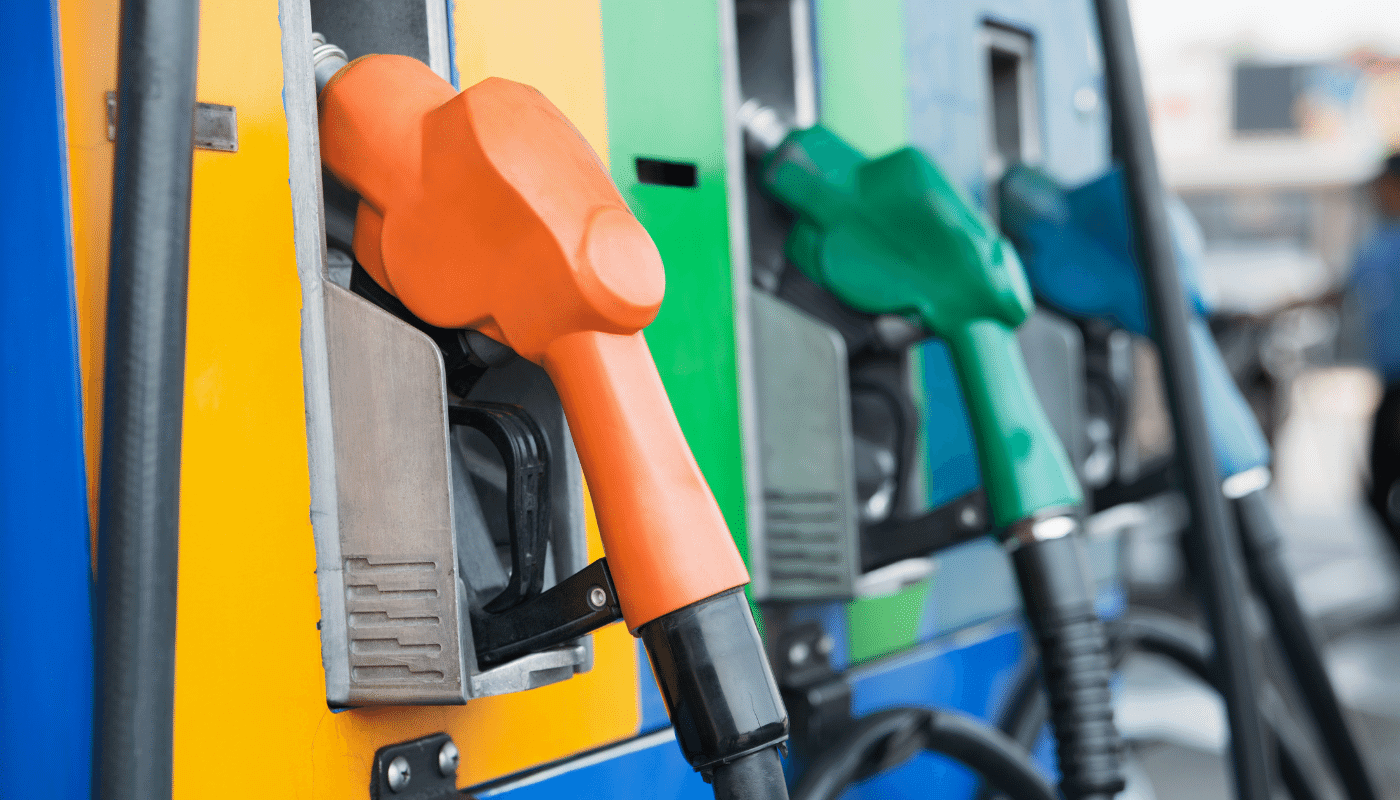
- Refueling habits can generate savings;
- The best speed to avoid high fuel consumption is 90 km/h;
- A large load uses more fuel;
- Misaligned wheels do not increase spending;
- Calibration affects fuel consumption.
Fact: always driving in a high gear saves fuel
In general, keeping engine speed low can help save fuel. That is, when the vehicle runs in a high gear and the engine operates within a range compatible with the operation.
But you need to pay attention to the situation and the vehicle being used. If the gear does not match engine speed, the opposite is likely to happen, increasing consumption and putting unnecessary strain on components.
It is worth remembering that this applies to vehicles with manual transmissions. When driving with an automatic transmission, it is best to avoid abrupt starts and unnecessary acceleration; aggressive driving, with high speeds, rapid acceleration and hard braking, wastes fuel.
Myth: coasting downhill saves fuel
When the transmission is in neutral, the vehicle's control unit sends the electronic fuel injection system the amount of fuel needed to idle.
However, with any gear engaged and the vehicle moving, the control unit cuts off the supply if the accelerator pedal is not pressed. That is why coasting downhill is not a fuel-saving practice in modern vehicles.
Interesting fact: this was true when carburetors were still used. Today, with electronic fuel injection, it is a myth.
Fact: up-to-date maintenance helps with fuel control
Without a doubt! With preventive maintenance, truck components work properly, contributing to fuel savings and a more predictable operation.
When we talk about prevention, you should consider vehicle inspections and services such as wheel balancing, tire rotation, calibration according to the manufacturer's recommendation and using the engine oil specified for the vehicle. In other words, actions that take place even when there is no actual problem — as the name suggests: preventive.
Myth: additives reduce fuel consumption
The only advantage of supplementary additives in some fuel types is cleaning residue from the engine's combustion chamber. Other promises of automatic savings should be treated as myths, especially when there is no manufacturer's technical guidance or evidence specific to the fleet vehicle.
Fact: air conditioning increases fuel spending
Yes, air conditioning can increase fuel consumption. However, it depends on the situation. Want to understand why?
The air conditioning system requires effort from the vehicle's engine, which can only work by burning fuel.
Especially at low speeds, this can cause air conditioning to waste fuel, making it preferable to open the windows for ventilation when safe and suitable for the operation.
On the other hand, driving with windows open at high speeds reduces the truck's aerodynamics, causing the parachute effect, which demands even more engine power to move. As a result, it increases fuel spending.
In this case, the best alternative for saving fuel is to use air conditioning in moderation. On highways, keeping windows closed and using air conditioning is usually better than increasing vehicle drag with open windows.
Myth: the best speed to avoid high fuel consumption is 90 km/h
There is no single ideal speed that helps reduce fuel spending for every fleet, route or vehicle model.
The only truth is that each vehicle has a speed range in which it is more efficient, but the number is very specific to each model, make, load carried and operating condition. That is why turning 90 km/h into a general rule oversimplifies a decision that needs to consider the actual vehicle.
Fact: refueling habits can generate savings
What you can put into practice from now on:
- Plan refueling stops and routes better, avoiding unnecessary journeys and reducing time operating with a cold engine whenever possible.
- Avoid filling the tank to the “brim,” which can damage the canister, a filter that should only receive fuel vapor.
- Use the fuel specified for each vehicle, without treating high-octane gasoline as a universal tip for fleets operating with other fuel types.
- Try to refuel at trusted fuel stations, where poor fuel quality is less likely.
Myth: misaligned wheels do not increase spending
Misaligned wheels do not roll normally and end up “pulling” the vehicle in inappropriate directions. So the truth is that tire misalignment does indeed cause greater fuel consumption.
Fact: a large load uses more fuel
Every vehicle has a manufacturer-recommended maximum load, which must be respected.
Besides keeping fuel consumption per kilometer within normal levels, since the vehicle is not required to work beyond its capacity, respecting this limit avoids wear on truck components and fines on highways. Extra weight increases the effort needed to move the vehicle and can reduce fuel efficiency.
Fact: calibration affects fuel consumption
Tires that are not at their ideal pressure have greater friction with the ground, requiring more engine power to keep moving and consuming more fuel. Tires below the recommended pressure reduce efficiency, so calibration should follow the manufacturer's guidance and the fleet's inspection routine.
To know how fleet spending is going, refueling control is essential. If spending is higher than usual, put all the tips in this article into practice (except the myths, of course) and share them with your fleet's employees!
Enjoyed this post and want to learn more about practices that make fuel consumption more efficient in your operation? Get the free download of Prolog's Fuel Savings Guide (in Portuguese).
Frequently asked questions
Does coasting a truck downhill save fuel?
Does driving in a high gear really save fuel?
Does turning on the air conditioning increase consumption?
Is there an ideal speed for saving fuel?
Do tires and wheels affect diesel consumption?
Which refueling habits help save fuel?
// newsletter
Fleet management content, straight to your inbox
Articles on tires, maintenance and fleet operations. No spam.