Fuel-efficient speed: how to define it for your fleet
 Jean Zart 3 min read
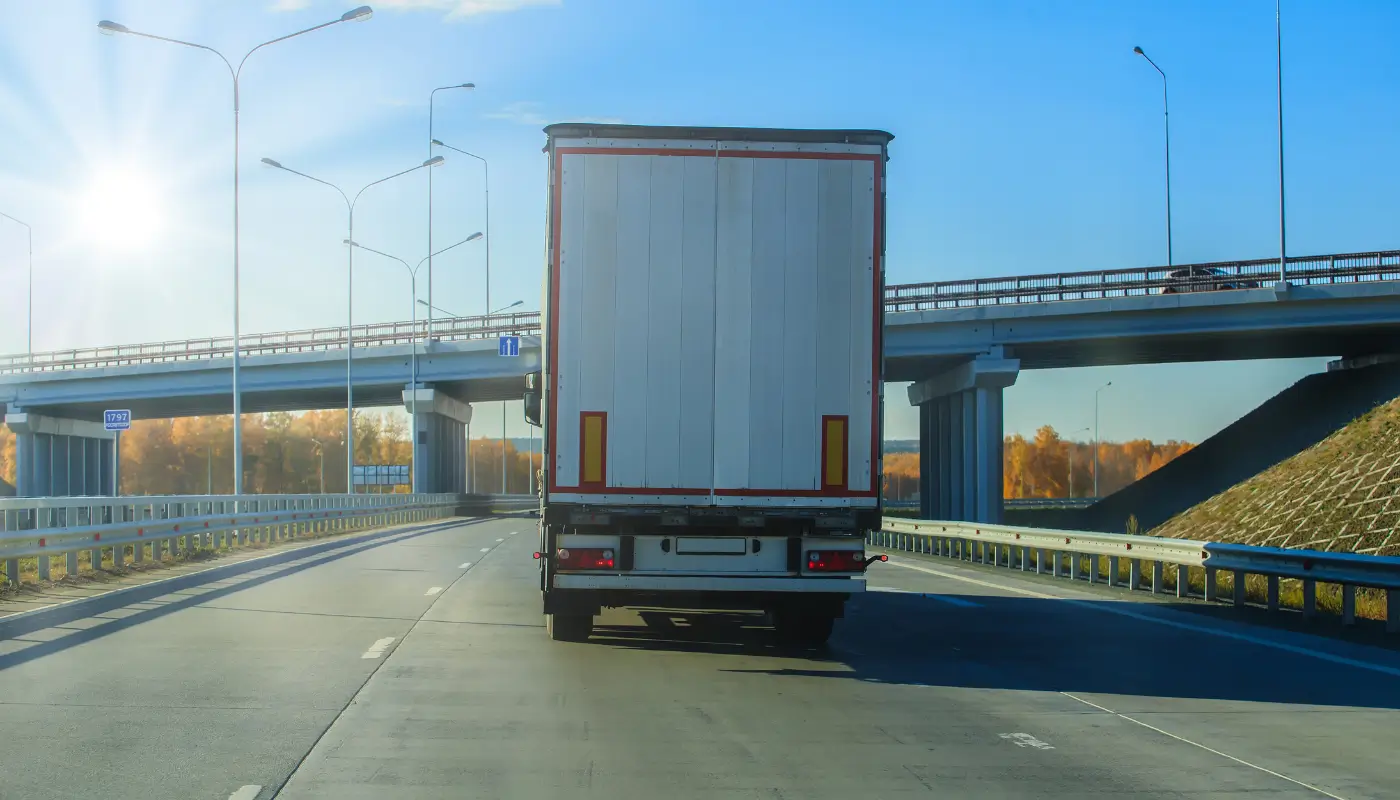
Fuel-efficient speed is the speed at which a vehicle uses the least fuel to cover a given distance.
For trucks and heavy vehicles, this speed can vary according to vehicle type, load carried, aerodynamics and road conditions. In addition, factors such as gradients along the route and weather conditions, such as rain, also directly affect the choice of ideal speed.
Saving fuel in heavy vehicles is essential, especially for companies seeking to reduce operating costs and adopt more sustainable practices. Here is what we will cover:
- What is the best speed for fuel economy?
- How can a company establish the ideal speed considering conditions such as dry weather and rain?
- Does higher speed mean higher fuel consumption?
What is the best speed for fuel economy?
The ideal speed range for fuel economy varies between light and heavy vehicles, but should not be treated as a fixed number for the entire fleet. Each vehicle achieves its best economy at a different speed or range of speeds.
- Light vehicles: fuel-efficient speed depends on the model and the efficiency range of the powertrain. At higher speeds, consumption tends to increase because air resistance and demands on the engine grow.
- Trucks and heavy vehicles: for heavy vehicles on highways, fuel-efficient speed depends on load weight, engine type and vehicle aerodynamics. That is why a reference of 70 km/h to 80 km/h can serve as an operational starting point, but not as a single rule for all trucks.
To find the most efficient speed, it is important to check the vehicle manual, which usually provides information about the ideal torque range. Keeping the engine in this range reduces the effort required and, consequently, can reduce fuel consumption.
How can a company establish the ideal speed for conditions such as dry roads and rain?
Defining fuel-efficient speed for a fleet requires considering several factors, including vehicle type, road conditions and weather.
On dry roads with good grip, vehicles can operate within the range defined for that model and operation. In these situations, engine braking, aerodynamics, engine speed and steady road speed are relevant factors.
On wet roads, it is essential to reduce speed to increase grip and safety. The range of 60 km/h to 70 km/h should not be applied as a universal rule: in rain, the operation needs to adjust guidance according to actual trip conditions, always focusing on avoiding harsh braking, fuel waste and component wear.
Weight directly influences rolling resistance, so you must assess the weight of the load carried to define the most appropriate speed. Heavier vehicles need more constant speeds to save fuel, while lighter vehicles can be a little more flexible.
Companies can use management tools, driving policies and their own operational records to identify fleet behavior patterns and adjust speed guidance according to road and weather conditions.
Maintaining a constant speed also helps: on highways, features such as cruise control can help maintain a steady speed and, in most cases, save fuel, provided they are used in safe conditions compatible with the operation.
Does higher speed mean higher fuel consumption?
Yes, the relationship between speed and fuel consumption is clear. As speed increases, consumption tends to grow due to two main factors: air resistance and engine speed.
Air resistance increases as speed rises; it does not begin to exist only at a specific speed. At higher speeds, the engine needs to work harder to overcome the opposing force of the wind, using more fuel. FuelEconomy.gov's reference indicates that fuel economy generally drops rapidly at speeds above 50 mph.
Meanwhile, higher speeds often require the engine to operate above its ideal torque range, reducing fuel efficiency.
In addition, it is important to emphasize that the less abruptly the accelerator is used, the greater fuel savings tend to be.
Smooth driving, without sudden acceleration or abrupt braking, helps the engine work within its efficiency range, using less fuel and reducing wear on vehicle components. Aggressive driving, with speeding, rapid acceleration and hard braking, wastes fuel.
If you want to further improve your operation's results by saving fuel, download our Fuel Economy Guide now (in Portuguese).
Frequently asked questions
Does wind affect fuel consumption?
What is the most fuel-efficient speed for a truck?
Does fuel-efficient speed change when it rains?
Does load weight influence the ideal speed?
Besides speed, what else helps save fuel?
Does driving faster always use more fuel?
// newsletter
Fleet management content, straight to your inbox
Articles on tires, maintenance and fleet operations. No spam.