Truck wheel balancing: a step-by-step guide in 5 stages
 Jean Zart 4 min read

Truck wheel balancing is a procedure to distribute the wheel's weight evenly, keep driving comfortable, reduce tire wear and prevent excessive vibrations in the steering.
That is because, when the wheels are unbalanced, the truck may show steering wheel shimmy, vibrations while driving, higher fuel consumption and uneven tire wear. In some cases, the vibration also increases driver fatigue and makes tires wear out sooner.
Check out below:
- What checks should we do before wheel balancing?
- How do you balance a truck's wheels?
- What are the types of wheel balancing?
What checks should we do before wheel balancing?
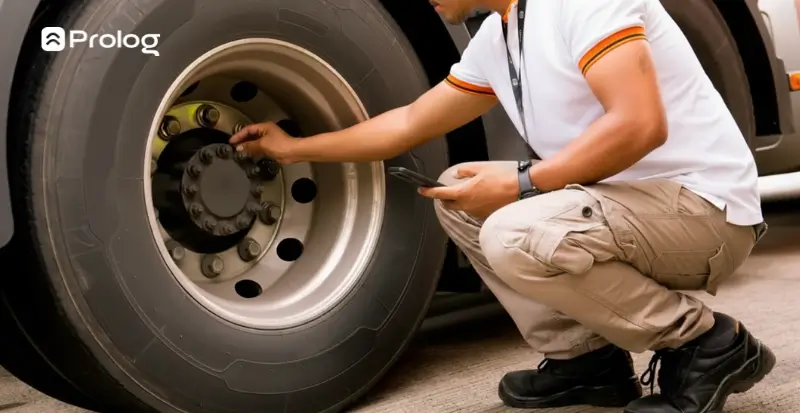
Before starting truck wheel balancing, some inspections should be done to ensure the process is efficient and long-lasting. They help separate what is imbalance from what may be an issue with the tire, rim, suspension, bearing or incorrect pressure.
- Check the condition of the tires
Inspect for uneven tread wear, as this may indicate alignment or suspension issues. Look for bulges, cuts or cracks in the tires, as this damage can compromise safety. If the tire is damaged, resolving the damage should come before trying to compensate for the vibration with counterweights alone.
- Check the wheels and rims
Make sure the rims are not dented or bent, as this can affect balancing. If there is excessive dirt on the rims, clean them before starting the process. The wheel needs to be in proper condition for the machine to identify the real imbalance and for the applied weight to stay at the correct point.
- Assess bearing wear
Worn bearings can cause excessive vibration even after balancing. If necessary, arrange for their replacement before the procedure. This avoids repeating the service when the source of the shimmy is not in the wheel's weight distribution.
- Check tire calibration
Incorrectly calibrated tires can change the weight distributed on the wheels, affect handling and impair balancing. Always adjust the pressure before the procedure, using the manufacturer's recommended pressure for the vehicle.
How do you balance a truck's wheels?
If you have questions about how to balance a truck's wheels, know that this procedure is essential to ensure safety and avoid uneven tire wear. The goal is to correct the weight distribution around the wheel so that it spins more stably, reducing vibrations and improving handling.
Below, see the step-by-step guide to balancing truck tires correctly:
- Remove the tires from the truck
- Identify the imbalance points
- Add counterweights to correct the imbalance
- Test the wheel to check whether balance has been restored
- Reinstall the wheels and do a road test
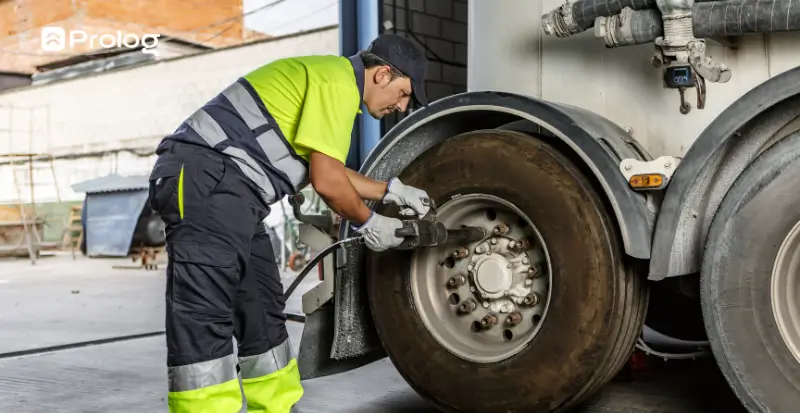
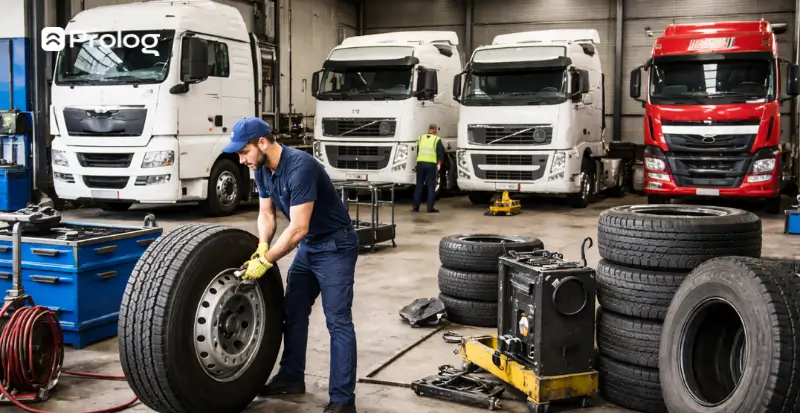
In the first stage, the wheel and tire assembly must be removed for assessment. Before placing it on the balancing machine, confirm there is no dirt built up on the rim, visible damage, incorrect pressure or play that could mask the result.
Next, the machine points out where the imbalance is. In dynamic balancing, for example, the equipment spins the wheel and measures the assembly on three axes, which helps identify lateral and radial imbalances. This reading guides where the corrective weight should be applied.
With the imbalance points identified, counterweights are attached to compensate for the difference in mass. These weights can be clipped onto the rim or attached with adhesive and, in dynamic balancing, can be applied to the inner and outer sides of the wheel, as indicated by the machine.
Then, test the wheel again on the balancing machine. If the equipment still indicates imbalance, adjust the position or the amount of counterweights until the rotation is stable. This check is important because the service does not end with placing the first weight.
Finally, reinstall the wheels on the truck and do the road test. The test serves to observe whether the shimmy has decreased, whether the steering has become stable and whether any persistent vibration remains that could indicate another issue, such as a bent rim, a worn bearing, a damaged tire or the need for alignment.
What are the types of wheel balancing?
There are two truck wheel balancing techniques, and the choice depends on the vehicle type and the severity of the imbalance.
Static balancing, for example, corrects small deviations in wheel weight. It is done with the tire stationary and can be a possible technique when the imbalance is slight, and it is suitable for simpler adjustments. It may be less precise, as it does not take into account the behavior of the wheel in motion.
The other type is dynamic balancing, which corrects lateral and radial imbalance. This is done with the wheel spinning at high speed on the balancing machine to identify imbalances on more axes. That is why it tends to be more precise and efficient at eliminating vibrations, especially when the issue appears with the vehicle in motion.
To make it easier to control the checks and keep tires always in good condition, download Prolog's tire control spreadsheet for free (in Portuguese) and organize all of your fleet's inspections!
Frequently asked questions
How do you know a truck needs balancing?
What should you check before balancing the wheels?
What is the step-by-step balancing procedure?
What is the difference between static and dynamic balancing?
Why calibrate the tires before balancing?
// newsletter
Fleet management content, straight to your inbox
Articles on tires, maintenance and fleet operations. No spam.