What you need to know about industrial tires
 Luiz Felipe 4 min read
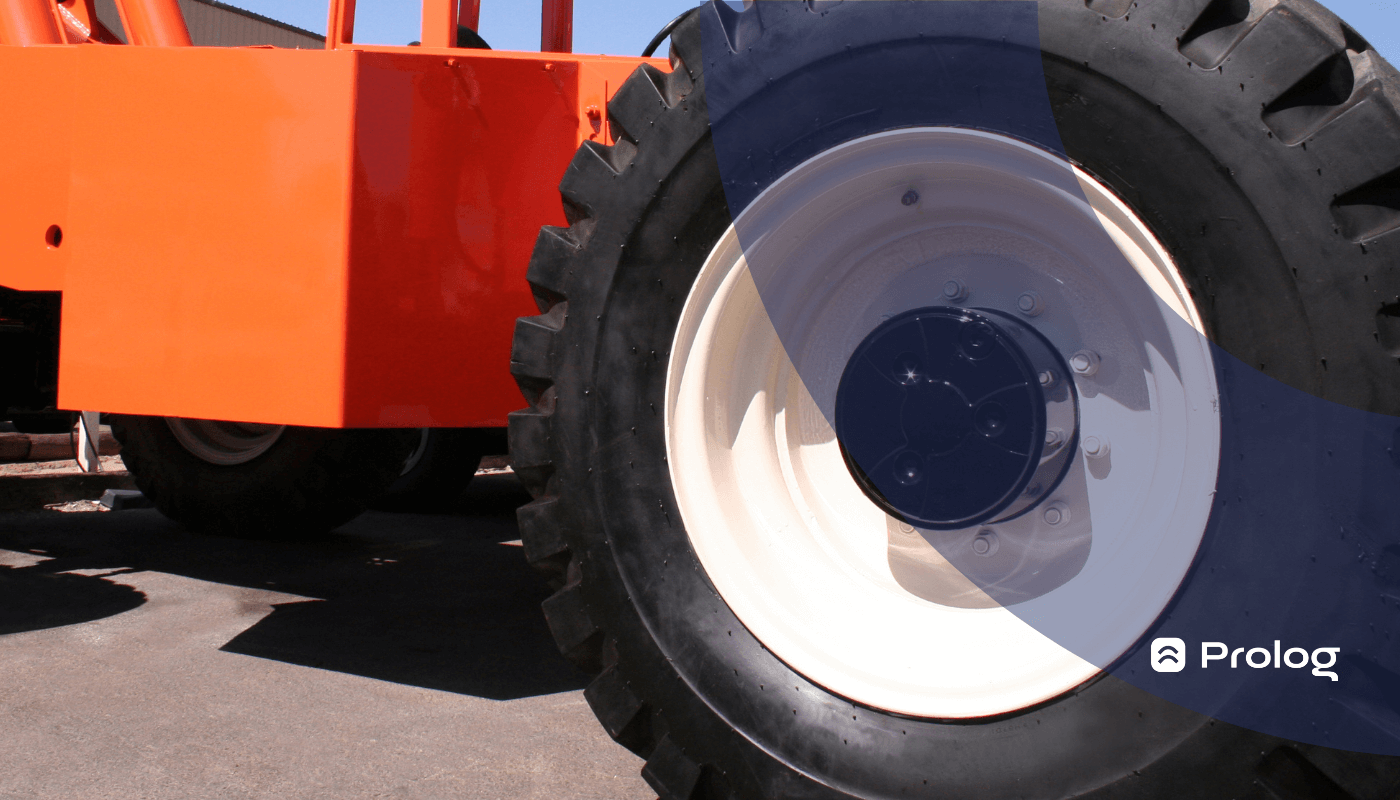
Industrial tires are mainly used in operations with carts and forklifts.
Their main function is to support heavy loads while maintaining safe conditions for equipment operators. The central point remains simple: choose the right tire and keep it in good working condition.
This guide will help you do that. First:
What are the characteristics and uses of industrial tires?
Like any other tire, rubber is usually the most prevalent material, with variations in size, load capacity, tread pattern and recommended pressure when the model uses air. For industrial tires, time alone should not replace analysis of the equipment type, application and condition found during inspections.
What sets them apart, as expected, is construction designed to withstand more demanding loads and duty cycles, giving the tires greater strength.
In addition, tread depth, tread pattern and tire width vary according to the equipment type and application. The choice should not be based on appearance alone: how the forklift or industrial cart is used directly affects the decision.
Some of the main models include:
- Industrial cart tires – focus on ground grip for maneuvering;
- Solid forklift tires – one of the common forklift tire types;
- Pneumatic forklift tires – work with air pressure and require attention to calibration and tire condition;
- Port tires – also focus on vehicle stability, mainly for vehicles operating in ports and docks.
How do you choose the most suitable industrial tires?
The choice should first consider the vehicle that will receive the tires. That makes it easier to identify the tire type and size needed.
The type of operation is equally important — will the tires be used outdoors or indoors? On rough terrain? Hot asphalt?
What is more: how many operating hours will the tire have? What is the maximum operating speed? What is the load weight? And the distance to be traveled?
You need all these answers to choose a tire with the best performance for that application. For forklifts, for example, common types include pneumatic, solid and polyurethane tires, and suitability depends on how the equipment is used.
Value for money should be considered, but this is something you will discover as you use different makes and models in your operations. Just make sure you have a suitable way to control industrial tires to record usage data, inspection history and maintenance information so you can actually analyze this information.
What are the consequences of the wrong choice?
In other words: what is the worst thing that could happen if you use the wrong tire?
The consequences can be very serious, including higher maintenance expenses, idle machines, premature tire losses and operational accidents.
Since industrial vehicle control is based on hours worked, a tire unsuitable for the application can complicate routines and hinder expected equipment performance. Therefore, CPH (cost per hour worked) should be analyzed alongside durability, maintenance and productivity, rather than merely as an automatic effect of tire price.
Sometimes, paying for a more expensive tire that reduces overall operating costs when CPH is considered is more worthwhile than continually buying the cheapest parts. In the end, frequently replacing very cheap tires may cost more than buying a slightly more expensive item with high performance and durability for your circumstances.
What are the best practices for industrial tire upkeep?
Basically, maintaining correct pressure in pneumatic tires and controlling the working-hour cycle of solid tires already goes a long way toward durable tires. However, several other industrial tire control practices can help you achieve this.
Starting with buying the right tire, as described above.
Next, training drivers on the equipment is essential. Most machines already require a special license, but it is still important to have operating and care instructions to give them.
For example, tire load limits must be respected, and the load should be evenly distributed on the vehicle.
Maintaining (and following) the machine and tire inspection schedule is crucial. This way, you avoid issues before they occur, reducing corrective maintenance costs and vehicle idle time. During daily forklift inspections, tire condition should be checked, including cuts and chunking; for air-filled tires, pressure also needs to be checked.
At this point, it is also worth assessing the need for mechanical adjustments, such as play at axle ends or tie rod ends.
Regarding tire storage (in Portuguese), take great care to keep tires in suitable places, off the ground, away from sunlight and substances that cause deterioration.
Another point: knowing when to replace tires. Continuing to use and wear down tire rubber even after it reaches its limit can damage the vehicle. Therefore, always keep track of wear, record the conditions found during inspections and replace tires as planned.
Now, if you want to learn even more about efficient tire management and tips for taking good care of your tires, take a look at this free e-book. (in Portuguese)
Frequently asked questions
How do you choose the right industrial tire for a forklift?
What is the difference between a solid and a pneumatic forklift tire?
Is the cheapest tire worthwhile in a forklift operation?
What are the consequences of using the wrong industrial tire?
How can you make industrial tires last longer?
// newsletter
Fleet management content, straight to your inbox
Articles on tires, maintenance and fleet operations. No spam.