How to link an electronic checklist to a maintenance system
 Jean Zart 3 min read
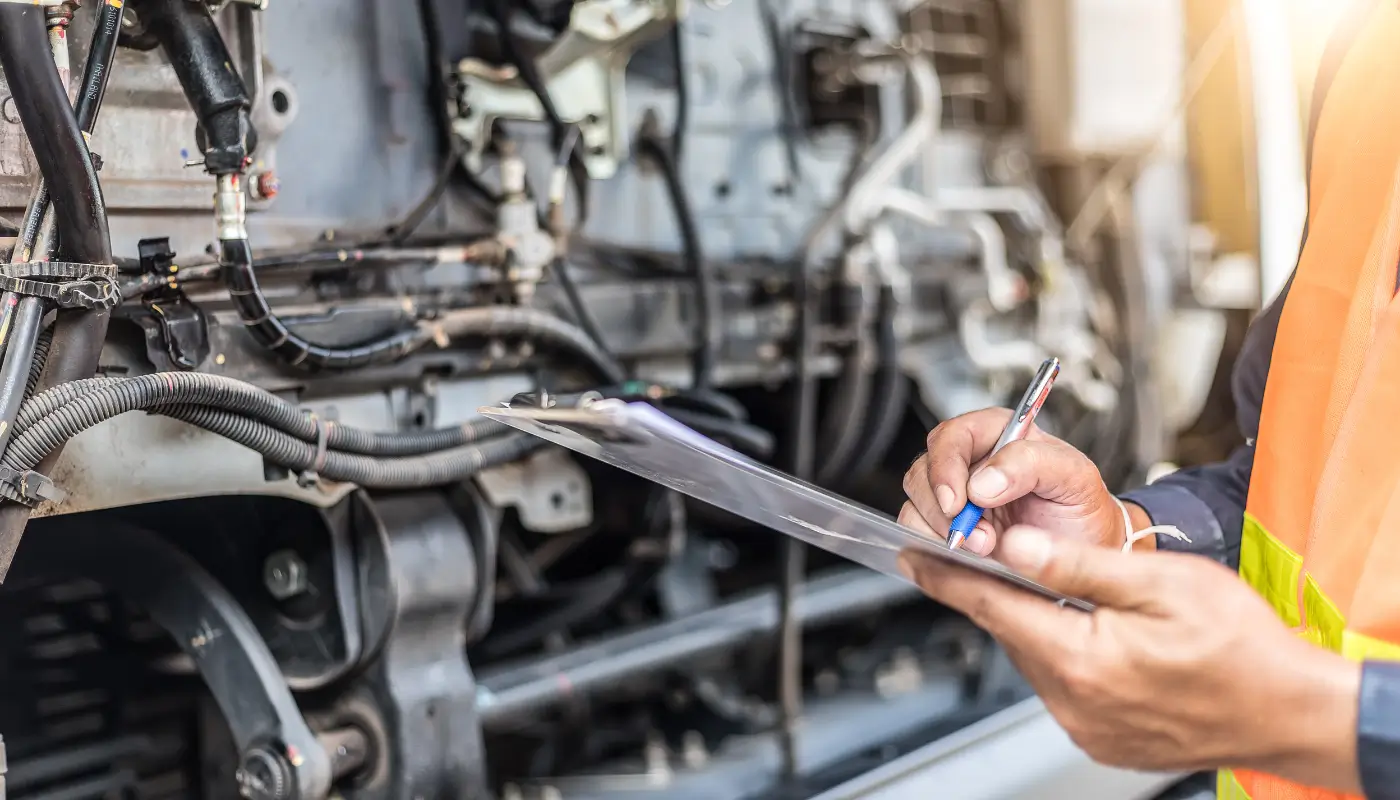
Fleet maintenance management is one of the pillars of efficient and safe freight transport operations. Integrating an electronic checklist with a maintenance management system makes this management even more practical and efficient.
It is a combination that makes it possible to identify issues quickly, organize interventions, and reduce operating costs.
If you are wondering how to carry out this integration and optimize the entire process, take a look at the detailed steps below:
- Choose compatible tools
- Centralize data on a single platform
- Automate communication between systems
- Define clear workflows
- Train the team to make the most of the systems
- Track performance metrics
- Update and review processes regularly
How do you integrate the electronic checklist system with maintenance management to optimize the process?
Choose tools that connect easily
Before starting, check whether the digital checklist system and the maintenance management software are compatible or can be integrated. Many modern platforms already have open APIs that enable communication between systems.
For example, an electronic checklist should be able to send automatic reports to the maintenance software, where data can be analyzed and organized into tasks, such as repair requests or inspection scheduling.
Centralize data for immediate and secure access
Make sure that all electronic checklist records are stored directly in the fleet maintenance control system. This prevents information loss and makes access easier for the whole team.
By centralizing data, you create a detailed timeline for each vehicle, including information such as:
- Outstanding checklist items.
- Preventive and corrective maintenance history.
- Notifications of issues detected during inspections.
This centralization helps you manage deadlines better and prioritize necessary interventions.
Automate communication between systems
Use automation features so that electronic checklist data triggers automatic tasks in the maintenance system.
When the checklist indicates low pressure in a tire, the maintenance system can automatically generate a work order (WO) for inspection or repair.
Or, if a burned-out bulb is identified during the checklist inspection, the platform can create an alert for immediate replacement.
This automation reduces time spent on manual data entry and eliminates errors caused by human failures.
Define clear workflows
Establish a workflow connecting checklist data to actions in the maintenance system. This ensures that all reported issues are resolved quickly and in an organized way.
For example:
- The driver completes the electronic checklist and reports a fault.
- The maintenance system receives the alert.
- A work order (WO) is created automatically and sent to the responsible team.
- After the repair, completion is recorded in the system.
This sequence ensures a closed loop of issue identification and resolution.
Train the team to make the most of the systems
For integration to be truly effective, drivers, mechanics, and managers need to be aligned on how to use the available tools. Provide training that covers:
- How to fill out the electronic checklist correctly.
- How to interpret alerts generated by the maintenance system.
- How to track the status of work orders and prioritize tasks.
Track performance metrics
One of the major advantages of integration is the ability to generate detailed reports. Use the combined data from the electronic checklist and the maintenance management system to track metrics such as fault frequency per vehicle, mean time between failures (MTBF), and maintenance costs per kilometer traveled.
This information helps identify patterns, such as a vehicle model that has more issues than others, or recurring items that need special attention.
Update and review processes regularly
Over time, you may identify opportunities to improve the integration. One example is when you need to customize the checklist based on recurring issues.
By constantly reviewing processes, you ensure that integration remains efficient and aligned with operational needs.
Integrating the electronic checklist with maintenance management is an essential step toward optimizing your operation, saving resources, and improving fleet safety.
Want to learn how to implement this solution in practice? Prolog already offers these two integrated solutions. Explore them in a free demonstration with one of our specialists!
Frequently asked questions
How do you integrate an electronic checklist with a maintenance management system?
What happens when the checklist identifies an issue with a vehicle?
How does the workflow between the checklist and the work order (WO) work?
Which metrics should you track with integrated checklists and maintenance?
Why centralize checklist data in the maintenance system?
What training does the team need to use the integrated systems?
// newsletter
Fleet management content, straight to your inbox
Articles on tires, maintenance and fleet operations. No spam.