Logistics strategy in fleet management: how to apply it
 Jade Zart 5 min read
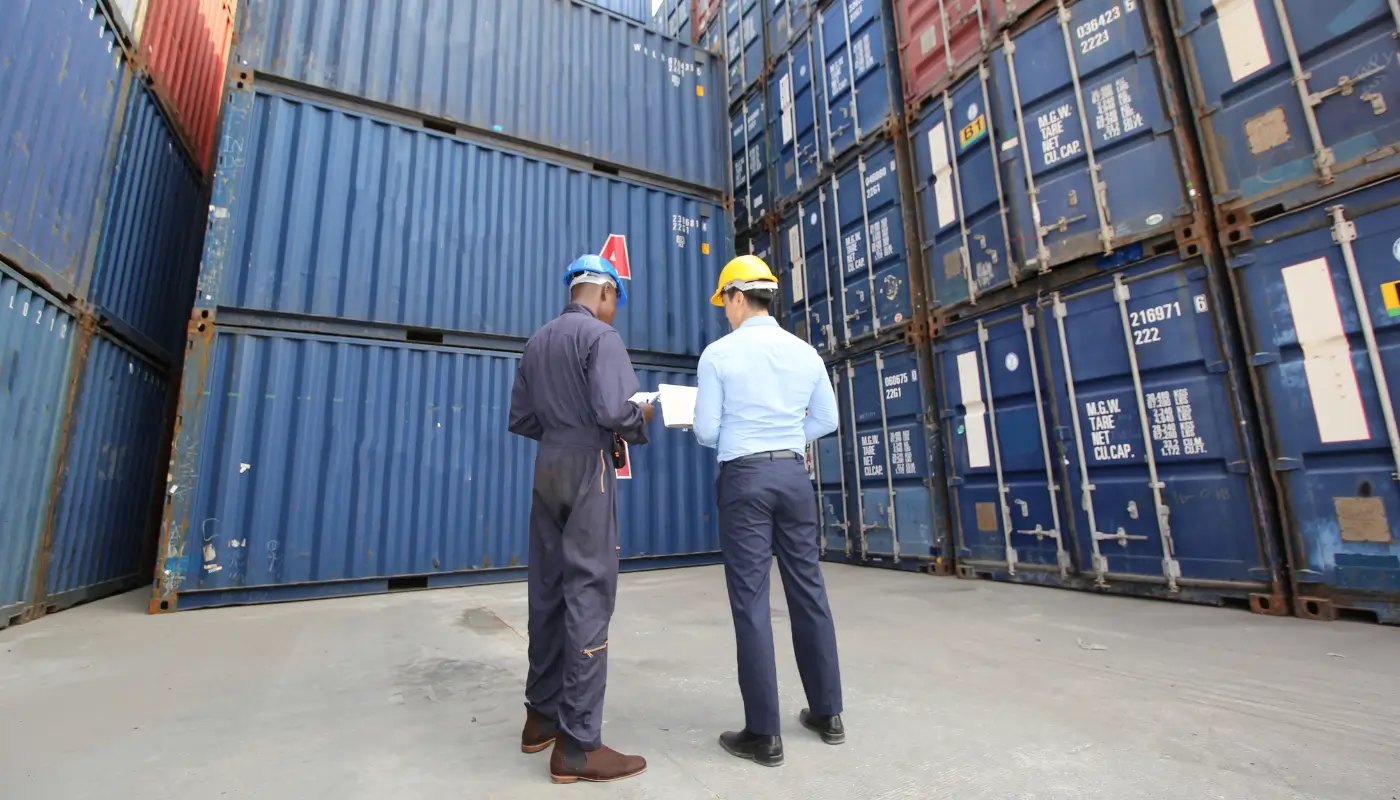
A well-planned logistics strategy can affect how you manage your fleet.
If you have ever wondered why some companies manage to make their transport operations much more efficient while others always seem to face difficulties, know that this is the truth: logistics strategy plays a crucial role.
A company's logistics involves several stages and aspects, and fleet and transport are among the main ones.
Ensuring that resources and raw materials reach production, products reach distribution centers and then stores and consumers is a complex task, and everything needs to be planned very carefully to prevent errors and operational delays.
Read on to learn:
- The role of a logistics strategy in fleet management
- The role of logistics within a company
- How logistics strategy can contribute to company growth
- Why develop logistics strategies for your fleet
- How to identify and apply logistics strategies in your fleet
What is the role of a logistics strategy in fleet management?
A logistics strategy is a map guiding managers toward better decisions.
With a clear strategy, everything becomes easier, from identifying where issues lie to how to solve them by priority in light of company goals.
For example, by analyzing route and fuel consumption information, we can adjust routes to save time and money.
Logistics as a whole should always align with company goals, allowing waste reduction and better customer service, which is always positive.
Collaboration between different company areas is also essential.
When logistics, maintenance and tire management, for example, work together, everything flows better. Have you ever considered how a lack of communication can harm results? It is an essential point to address for anyone seeking efficiency.
Remember, a logistics strategy is not static; it is a continuous process of assessment and improvement. Always being attentive and willing to adapt your strategy, seeking new ways to optimize the fleet and adjust to market and demand changes, is the key to long-term success.
What is the role of logistics within a company?
Logistics works to ensure efficient product movement, involving several stages, each with its own importance.
It is present in a company's daily routine in areas such as:
- Supply planning: everything starts with buying the right materials at the right time.
- Efficient storage: a good storage system helps access products quickly. Having space is not enough; it needs to be used intelligently.
- Agile transport: transport is the most visible part of logistics. Well-planned routes save time and reduce costs, as well as ensuring products arrive within the established deadline.
- Effective distribution: this is the stage where the product meets the customer. Well-executed distribution ensures consumers receive what they bought quickly and safely. In some cases, it is the stage where products reach the stores that will sell (or resell) them.
- Customer satisfaction: when everything works well, customers notice. Receiving products as promised increases confidence in the company and the chances of generating new business.
How can logistics strategy contribute to company growth?
A logistics strategy is a tool for growing the company as it improves processes and cuts costs, allowing companies to invest in important areas such as innovation and new product development.
Another relevant point is operational efficiency. Technology makes it easier to track and automate logistics processes. Generally, this helps serve customers faster and solve issues before they grow.
Being competitive in the market is also a direct result of well-executed logistics practices. Today, speed and efficiency are essential, and a company that delivers products quickly and at lower cost has a greater chance of standing out.
It is also necessary to consider strategic logistics administration. How can you align your logistics processes with your overall business strategy? Remember: logistics is not an isolated department, but part of company strategy.
Why develop logistics strategies for your fleet?
Investing in a logistics strategy not only improves operational efficiency but also brings other benefits.
Shall we talk about safety first? With a well-planned strategy, you can minimize freight transport risks. For example, choosing safer routes and always keeping vehicles in good condition reduces the chance of accidents.
Think small changes make no difference? Think again. Small adjustments can protect both your drivers and your goods.
Now let us move to savings. By optimizing fuel use and scheduling preventive maintenance, you save money.
Using software that alerts you when a vehicle needs maintenance is a way to bring forward the resolution of a likely issue, preventing failures and breakdowns, as well as high, unexpected expenses.
Productivity also gets a boost from a suitable logistics strategy. Simplified processes and technology use make your fleet operate more efficiently.
With tools such as electronic tire measuring devices, you ensure each vehicle is in ideal condition.
And a reminder about your role: fleet managers are key players throughout this process.
If this is your role, you are responsible for implementing and overseeing the transport stage, a large part of logistics in a company with a fleet. With a strategic approach, you can help the company grow and stand out in the market.
Ultimately, investing in a logistics strategy is a smart business decision.
How can logistics strategies be identified and applied in your fleet?
Working with logistics strategy in daily fleet management may seem complicated, but a few simple tips help make it easier.
First, it is important to understand how your operation works now. Analyze where the difficulties are and where you can improve. If you notice that some routes are consuming more fuel than others, it may be time to review them.
Another step is to use technology to your advantage. Management software and digital tools help keep track of tire condition and plan maintenance, increasing safety and efficiency.
Regular training with drivers and fleet managers ensures everyone is up to date with best practices. A well-trained driver can save fuel and time. Think about it!
Along the same lines, value communication. Keep everyone on the same page, from drivers to maintenance staff. Good communication helps resolve issues quickly.
Overall, a well-planned logistics strategy not only optimizes your operations, but also offers real benefits such as cost reduction and increased safety.
Prolog can be your ally on this journey, providing technological solutions that make implementing these strategies easier.
With tools such as the tire management system and electronic tread probe, you have resources that ensure greater safety and efficiency, allowing you to focus your efforts on more strategic areas and growing your business.
Want to know more? Discover our solutions!
Frequently asked questions
What is a logistics strategy?
What is the role of logistics within a company?
Why develop logistics strategies for the fleet?
How can logistics strategy be applied in the fleet's daily routine?
How does logistics strategy contribute to company growth?
// newsletter
Fleet management content, straight to your inbox
Articles on tires, maintenance and fleet operations. No spam.