Most common fleet maintenance and how to prevent problems
 Luiz Felipe 4 min read
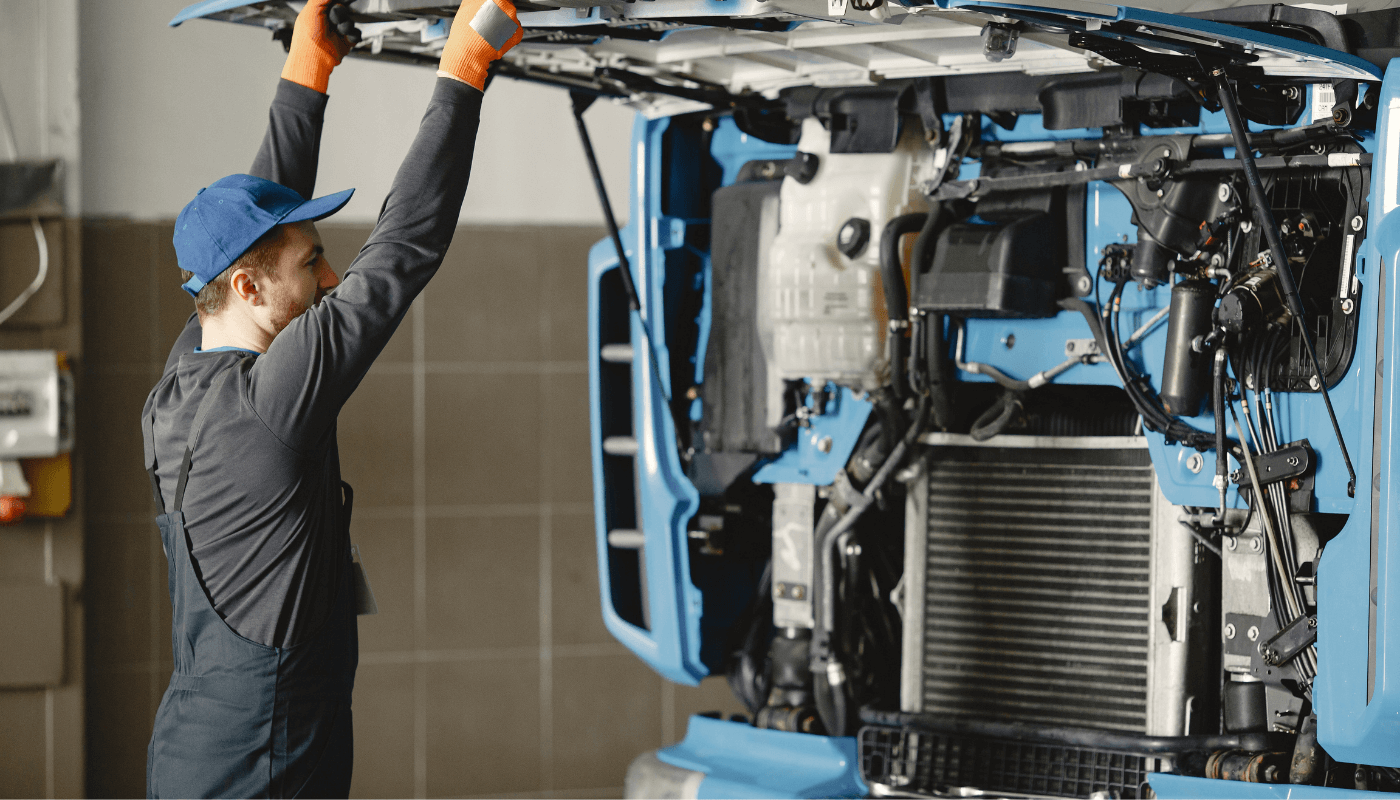
Knowing which maintenance services are most common and scheduling them as needed is the best way to increase the useful life of fleet vehicles.
This is also because regularly inspected trucks deliver greater productivity and efficiency in their activities.
However, in some cases, if problems are not addressed from the start, this maintenance can cost more than expected. So, a routine for assessing vehicles frequently and preventively is essential.
Learn about the following:
- Most common fleet maintenance services;
- How to prevent these problems;
- Tips for better fleet maintenance management.
Most common fleet maintenance services
We previously presented the most common mechanical failures in a transport operation; now we also bring you the most common maintenance tasks. See which services they are:
Bodywork
The bodywork is susceptible to various kinds of damage during routine operations, especially if the vehicle is not in suitable condition for transport, such as being misaligned or having underinflated tires.
In some cases, the vehicle sways too much or the load is poorly positioned and keeps hitting the sides of the bodywork. These actions may not cause immediate harm, but over the long term they cause wear, cracks, and breakage in this part of the vehicle.
That is why bodywork refurbishment and maintenance services end up being quite common, especially in fleets transporting heavier goods or construction materials.
Electrical system
A vehicle’s electrical system includes everything from lighting components, such as headlights and turn signals, to the starter motor and battery. Thus, the most common electrical maintenance tasks are:
- Replacing the vehicle battery;
- Replacing headlight bulbs, position lights, and interior bulbs;
- Repairing the starter motor.
Safety items
Vehicle safety depends on several factors, including:
- Brakes: for when a vehicle needs to stop or slow down;
- Horn: as a way to signal and communicate in traffic;
- Jack, cable, warning triangle, and wrench: tools that should always be available for minor vehicle repairs, especially on long-distance trips;
- Windshield wipers: to prevent loss of visibility in heavy rain;
- Seat belt: to provide greater safety for the driver in collisions or other types of accidents.
All these items must work perfectly for a transport operation to face as few disruptions as possible. Because they are all used extensively, they must be checked daily and end up being quite common workshop repairs.
Tire services
Tires are a vehicle’s only point of contact with the ground and roads.
They are therefore exposed to various kinds of damage on every route. Whether because of weather conditions or the care they receive at the operation’s base, tires are constantly on the list of the most common fleet maintenance tasks.
The services performed on them can be simple, such as tire calibration, which drivers themselves may be qualified to do.
On the other hand, there are services that help preserve tires and ensure a safe trip without damage, such as wheel alignment and balancing, performed by qualified professionals.
Tread depth must also be measured periodically in millimeters to determine whether tire wear is even. When it is uneven or severe, the tire may be sent for refurbishment or replacement and disposal.
How can you prevent these problems?
To prevent problems and reduce how often a vehicle visits the workshop, you need a maintenance plan, establishing and maintaining a preventive routine. Through it, vehicles are serviced regularly, preventing unexpected failures and breakdowns.
Furthermore, maintenance management is an essential department to have in your fleet.
It ensures fleet productivity and operational efficiency by scheduling vehicle checks and repairs so vehicles always perform at their best. As a result, routes are completed as planned and operational deadlines are met.
Without a maintenance routine, company vehicles become more susceptible to mechanical failures and may interrupt the logistics cycle.
Among the benefits of maintenance management, we can highlight:
- Increased vehicle useful life;
- Reduced risk of accidents and fines;
- Fewer repairs and less downtime;
- Fewer unexpected events, among others.
Tips for managing fleet maintenance
Pay attention to preventive maintenance
Preventive maintenance anticipates truck damage and failures. But for it to work properly, processes must be carried out regularly.
Maintenance planning extends the fleet’s useful life and prevents a range of damage caused by poor care of parts and components.
Hire qualified professionals
Hiring inexperienced professionals can pose various risks to transport operations, from a poorly maintained vehicle to financial losses.
This means spending twice as much on repairs, as well as interrupting delivery activities.
Buy good-quality parts
Many think choosing cheap parts is a way to save money, which is a mistake.
Buying original parts reduces the chance of them breaking prematurely or damaging other truck components.
Manage routes
Route planning promotes trip efficiency and increases vehicle useful life. Do you know why?
When a route is planned in advance, it becomes easier to avoid dangerous stretches, potholes, or areas where cargo theft is a risk.
Control fuel consumption
Improper fuel use is an indicator that something is wrong, in addition to creating unexpected expenses.
The sooner you notice high fuel consumption, the faster you can identify the cause and correct the failure with the right maintenance.
Keep learning how maintenance management works.
Frequently asked questions
My vehicles keep returning to the workshop for the same reasons. How can I reduce that frequency?
Which truck items need daily checks?
Which tire services can drivers perform, and which require a professional?
Is buying cheaper parts worthwhile to save on maintenance?
Fuel consumption suddenly increased. Could this be related to maintenance?
// newsletter
Fleet management content, straight to your inbox
Articles on tires, maintenance and fleet operations. No spam.