Common truck mechanical failures and how to avoid them
 Luiz Felipe 5 min read
Mechanical failures are among the most serious issues a vehicle can have.
They were responsible for an average of 3,748 accidents in 2020, according to the latest Brazilian Transport Accident Atlas (in Portuguese), developed by Volvo.
Knowing which failures are the most common and the ways to avoid them is the first step toward reducing accidents. By the way, did you know that keeping the vehicle's servicing up to date is part of the recommendations of Brazil's Federal Highway Police?
That's right!
Keeping up with maintenance brings more safety to the roads, besides extending the useful life of the truck's parts and reducing the chance of bigger damage appearing in the vehicle. This way, it is much more economical for the business.
Let's now get to know them:
What are the most common types of mechanical failures?
Brakes
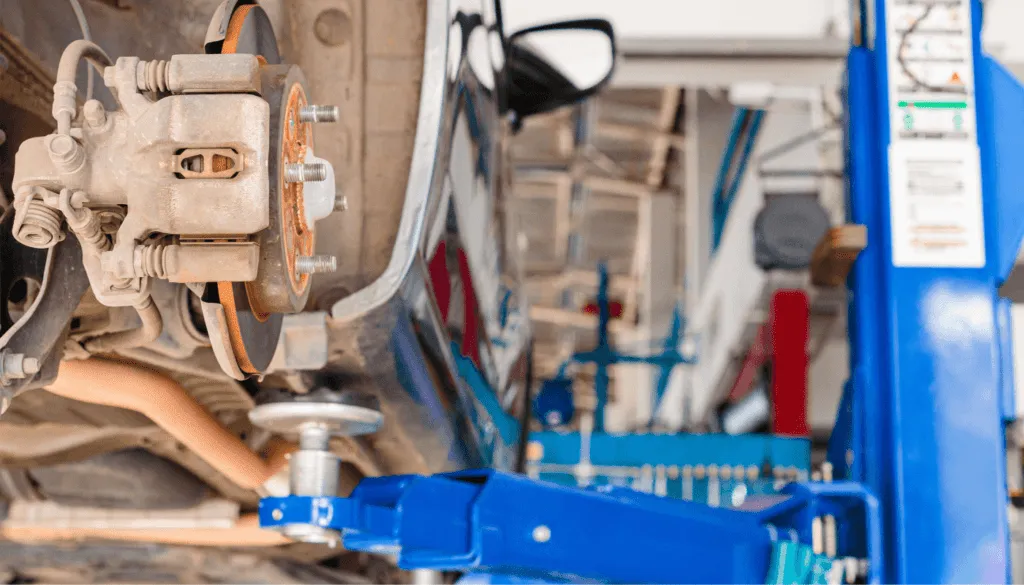
Brake pads wear out very frequently, increasing braking response time. That is, the vehicle takes longer to stop.
This issue is usually easy to identify. When they need to be replaced, they make a squealing or scraping noise.
Other signs are the pedal sinking very slowly, being very soft or having a "spongy" feel.
The vehicle also pulls to the sides when the brakes are applied.
Tires
Tires suffer from wear and failures for many reasons. Among them, external damage from exposure to different temperatures, cargo weight, time in use, climbs and descents that increase the tires' effort and temperature, among others.
These assets need constant checks, with measurement of tread depth and tire pressure. As well as watching for possible issues on the tread that indicate the need for retreading or full replacement, such as dry rot or bubbles on the surface.
Windshield wipers
Did you know that wipers need to be replaced with new ones, on average, every six months?
They are mainly responsible for the driver's vision in rainy weather and must be in good condition to clean the glass efficiently.
If they are defective, with tears in the rubber, for example, you may be taking unnecessary risks when weather conditions are unfavorable.
Among mechanical failures, this is the simplest to solve, so there are no reasonable excuses for not doing this check.
Headlights
Also known as "head lamps", they are the truck's light projectors, which ensure visibility of the roads at night and on cloudy and rainy days.
The bulbs often fail, since they are essential at many moments of the vehicle's use. That is why they need regular inspections to ensure safety and not cause accidents and fines for whoever is driving.
Steering
The steering wheel locking or shaking (vibrating) are among the most common mechanical issues when it comes to steering. They occur mainly at high speed, in curves and when braking.
And anyone who thinks these failures can only be related to the steering wheel is mistaken, you know? The tires may be the reason.
Checking the steering wheel adjustment and the condition of the power steering is important. As well as keeping maintenance up to date, especially by keeping track of tire pressure and keeping it in line with the manufacturer's recommendation.
How do you find the cause of mechanical failures in a fleet vehicle?
The answer to this question is very simple: by scheduling servicing.
Through an inspection schedule, a professional can assess the truck's general condition, diagnose small failures and make immediate repairs.
We know that a vehicle's smallest issues, when set aside, pile up and become a big headache. And with much higher expenses!
Besides fixing issues that are already present, the information collected also prevents mechanical failures from appearing, ensuring calmer and safer trips.
This is because servicing makes it possible to store data about the truck that will help schedule future maintenance according to the current condition of the parts assessed by the mechanic.
Am I making a mistake?
You may be. You are making mistakes when you:
- Do not have a servicing schedule to assess the vehicle and parts, in order to avoid mechanical failures.
- Do not hire specialized professionals or have a poorly qualified team to handle the trucks.
- Buy low-quality parts, of dubious origin and/or without a warranty.
- Forget to take out or renew vehicle insurance.
- Run poorly organized fleet management and have no kind of control over the condition of the fleet's trucks.
Now, let's move on to one last, very important topic:
What should you do to analyze mechanical failures?
We have already explained that preventive maintenance carried out through a servicing schedule is the best way to diagnose and avoid mechanical failures. Now, how do you put this into practice in a fleet?
Given the difficulty of keeping maintenance up to date for a large number of trucks, the carrier can use the checklist as a way to record and keep track of each vehicle's information.
In short, the electronic checklist stores, individually, a truck's external, internal, electrical and safety conditions, ensuring that everything is working in compliance.
In addition, it is a type of daily check of the vehicle's components, which can be done by the driver, anywhere, even without an internet connection.
It is also simple, and anyone can learn to use it, since it is a tool on the smartphone itself that, with a few clicks, gets its daily task completed successfully.
Want to learn more about the electronic checklist in the preventive maintenance routine? Then watch our demo video on YouTube right now (video in Portuguese):
Frequently asked questions
What are the most common mechanical failures in trucks?
How can I tell that the brakes need attention?
How often should windshield wipers be replaced?
How do you find the cause of a mechanical failure in the fleet?
What management mistakes increase the risk of mechanical failure?
Does the electronic checklist help avoid mechanical failures?
// newsletter
Fleet management content, straight to your inbox
Articles on tires, maintenance and fleet operations. No spam.