Tire pressure monitoring: what to do when the alert comes on
 Luiz Felipe 6 min read
A tire pressure monitoring system is important to keep the fleet attentive to calibration and to carry out tire care frequently, more quickly and safely.
By keeping tire pressure at the correct levels, you help reduce fuel costs and tire purchases and also reinforce the safety of your company's drivers.
Forgetting or putting it off for lack of time is a routine that can be replaced by more consistent controls. In many vehicles, TPMS already alerts the driver when there is pressure loss, but this warning does not eliminate checking with a gauge.
That brings many advantages for your company, but there is yet another system you need to know about — especially if what you are looking for is organization, history and savings.
So, first things first…
What is the tire pressure monitoring system?
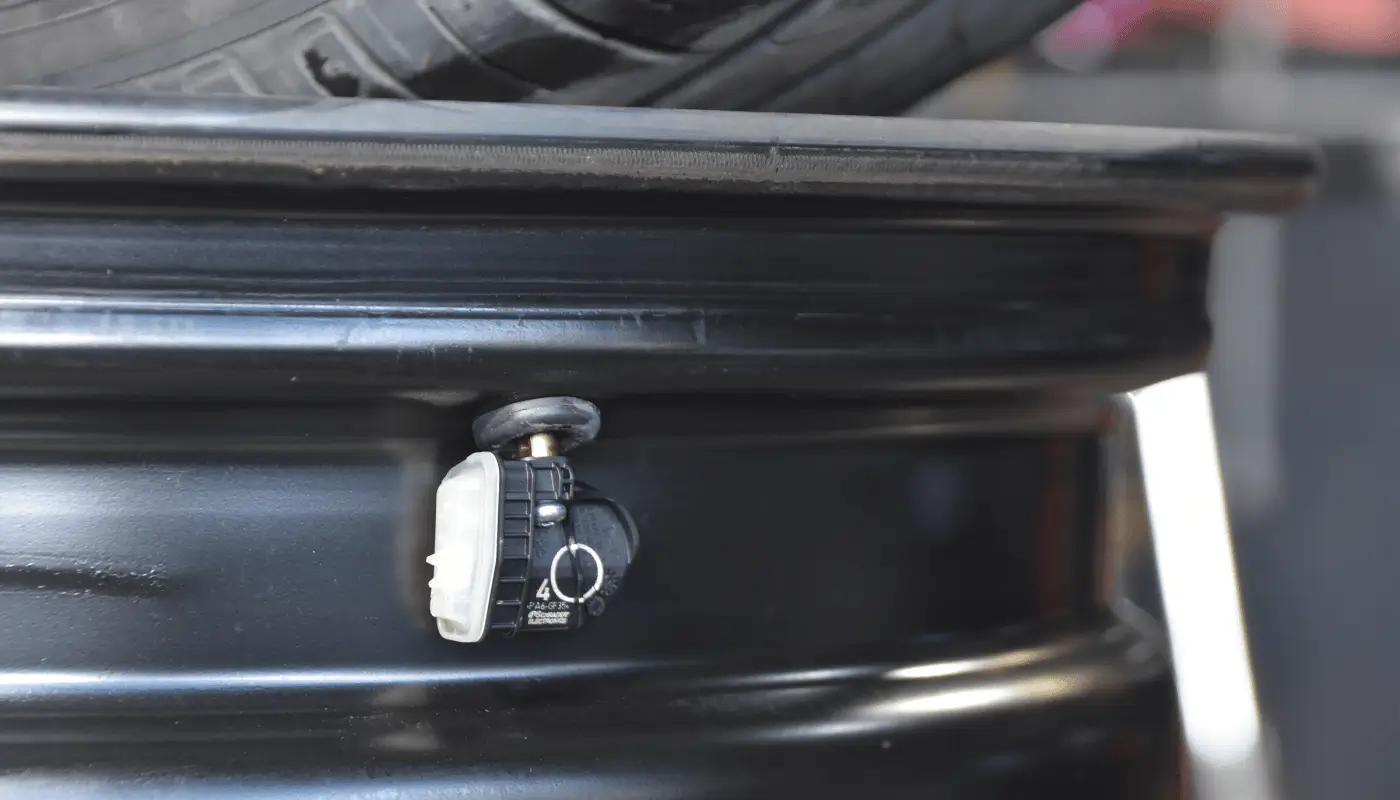
Coming from the acronym TPMS, which stands for "Tire Pressure Monitoring System", it is a system that detects pressure loss and warns the driver on the dashboard when the tires have low pressure.
In more modern vehicles, it may already come installed. Even so, the way it works and the information displayed vary according to the vehicle model and the type of system used, so the manufacturer's manual remains the reference for interpreting the alert.
Want to see this in your fleet? Talk to a Prolog specialist
And how exactly does it work?
The warning appears on the display with pictograms, a light or both, and indicates that one or more tires need attention because of the pressure. From then on, do not treat the alert as a complete diagnosis: confirm the calibration with a gauge and compare it with the manufacturer's recommendation.
When this warning appears, you need to bring in the second piece of equipment: the manual or digital tire pressure gauge.
If you have a digital gauge, just turn it on, fit its tip onto the tire valve and look at the pressure shown by the device on the screen, usually displayed in PSI or in the unit configured on the equipment.
If you do not have a digital tire pressure gauge, you need a manual device. It usually consists of a kind of pen with a gauge, like a thermometer, that indicates the tire's pressure measurement.
Remember to follow your device's instruction manual, OK? Each make has its own way of turning it on and of reading.
It is also essential to compare the final calibration shown by the gauge with the calibration indicated by the manufacturer in the vehicle manual.
Finally, you need to create a spreadsheet on a computer or tablet, or take notes manually, to keep control. In fleet management, this data should be sent to those responsible according to the truck's inspection routine. TPMS helps with the alert, but it does not replace periodic pressure checks with a gauge.
Is there another way to control tire pressure?
Through an app, such as the one we offer here at Prolog, you can register the trucks' tires and keep track of their health in a very simple and intuitive way.
How this happens:
First, you should have at hand the manual that comes with the vehicle when you buy it, right?
Next, add the license plate number, make, model, the minimum tread depth the tire can reach, among other data. Then you also need to enter data about the fleet's tires: make, model, fire number (the serial number branded on the tire), mileage, etc.
This information generates the truck and tire registration, so you can create schedules and keep track of the inspection deadlines for each item.
When inspections are carried out, the records made by the team are registered in the app and show, without complications, whether it is time to carry out some kind of service or maintenance, keeping tire pressure control and calibration up to date.
The advantage of having a Prolog system is that management no longer depends on loose records: each tire gets individual control of wear, retreading, life cycle and cost, within an inspection routine carried out by a person.
Based on the data recorded in the inspection, work orders can be created for the correction and maintenance of the vehicles as soon as the checking process is finished.
Amazing how practicality improves the routine of any job, isn't it?
What is the advantage of having this digital tire pressure control system in the fleet?
A tire pressure control system in an app contributes to increasing the tire's useful life, enabling your company to see, understand and reduce the number of tire purchases and disposals.
Likewise, savings are important for your carrier, since by reducing costs in one area, you can invest in others. And that is what a well-recorded routine brings: savings on tires as well as on fuel and vehicle maintenance. Tires kept at the proper pressure help maximize fuel economy.
Increased team productivity is another benefit, since tire inspection starts to follow a digital flow, with less rework in note-taking, fewer scattered spreadsheets and more clarity about what needs to be corrected.
After all, the task still depends on a person at the inspection: it is this person who checks the tire, uses the digital gauge in the right place and records the result in the system. The difference is that control is organized in the app, together with the history and related services.
Another factor is greater safety on the roads, since preventive maintenance keeps tires well cared for, helps with durability and builds more confidence among drivers by reducing the risk of driving with inadequate pressure.
Now you may be wondering…
If the vehicle already has TPMS, what difference does getting Prolog make?
Although the built-in tire pressure monitoring system is important and helps with the task of keeping tires correctly calibrated, it does not replace a routine of checks with a gauge, nor does it deliver, on its own, the full maintenance and health history of the fleet's tires.
How will you analyze the performance of the vehicle and the tires that way? Even more so if you do not have a spreadsheet to manually note down all the data obtained in the inspections, you are wasting invaluable knowledge.
With tire control software, inspection records are organized and included in views such as:
- Wear level per tire;
- Number of tires with incorrect calibration (and which ones they are);
- Open services with details of the tire's current condition and the reason for carrying out the service.
Among many others, you can already get an idea of the real need for a digital system for tire pressure control, right?
Enjoy the benefits of more organized tire management with Prolog App, bringing together registration, inspections, history and work orders in a digital routine for the fleet team.
Get to know our complete solution and get in touch with us!
Frequently asked questions
What is TPMS and how does it work?
What should you do when the pressure warning comes on in the dashboard?
If the vehicle already has TPMS, why use an app?
How do you register tires and vehicles in the app?
What gains does the fleet get from digital pressure control?
// newsletter
Fleet management content, straight to your inbox
Articles on tires, maintenance and fleet operations. No spam.