Tire tread depth: limits, measurement and care
 Luiz Felipe 3 min read
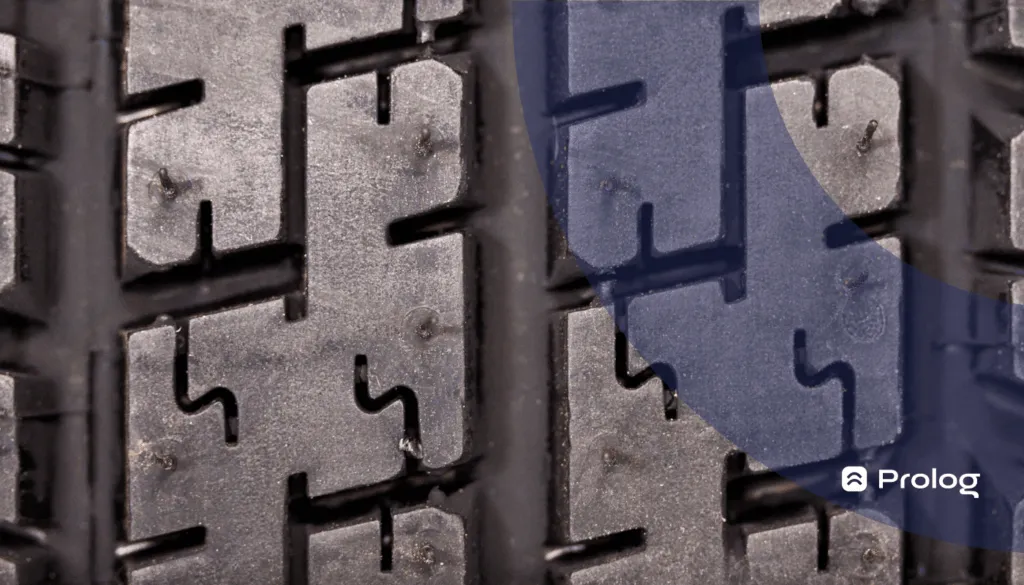
Tire tread depth, also called groove depth or tread pattern depth, matters for several reasons. Depth helps determine how much traction a tire retains and therefore how it behaves on wet and dry surfaces.
Measurements should be taken with some frequency, always prioritizing a minimum depth. Under Brazilian regulations, a tire is noncompliant when remaining tread depth is below 1.6 mm. However, Goodyear recommends checking tread every 5,000 km or when it reaches 3 mm.
Why? Because observing wear before the legal limit helps avoid unnecessary hydroplaning risk and better assess whether the casing can still undergo retreading.
A common question on this subject is:
How deep is tire tread?
New truck tires can have different tread depths. This depends on tire function — long-distance trips, off-road use, urban roads and so on — and the model chosen for that application.
An off-road tire usually has a deeper pattern to offer greater resistance and reduce rubber damage. For long distances, urban roads, steer axles or free-rolling axles, the key is not to treat depth as a single rule for all tires.
Rather than using a fixed ratio between depth and tread width, the safest approach is to check the model's technical information and choose replacement tires matching the manufacturer-approved size, load index and speed rating.
How do you determine tire tread depth?
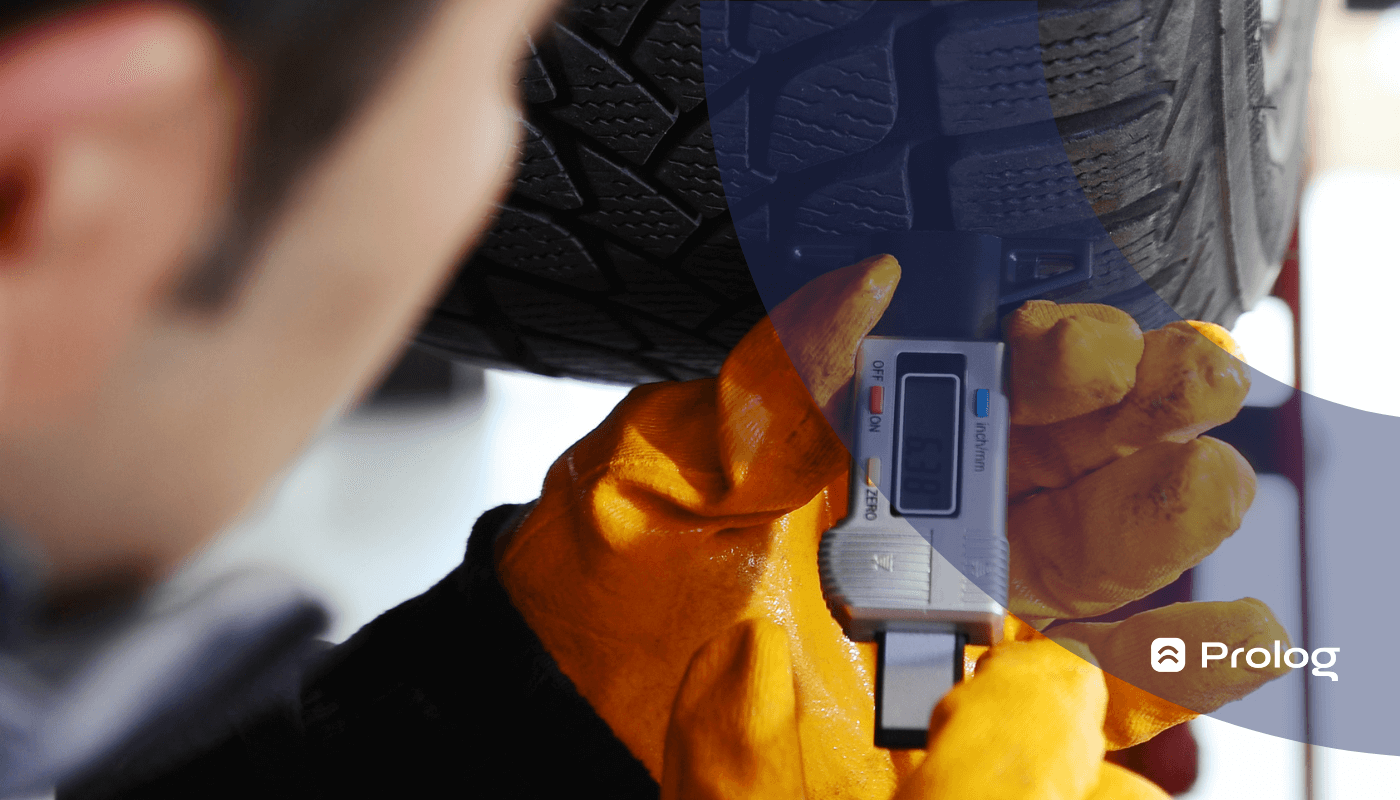
The most efficient method is a digital tread probe suited to fleet routines. It simplifies data collection and reduces recording errors, especially when measurements are recorded in a control system organizing each tire's history.
It is also possible and simple to read the tire wear indicator (TWI), a marking built into tires at the factory. Brazilian regulations allow remaining depth to be checked visually through these wear indicators.
Other measuring tools include manual or digital calipers. When measuring tread, take readings on both the inner and outer sides because wear may not be equal across the full tire width.
So what is the best way to read tire tread depth?
It seems fair to say the best method is the most efficient for the operation, right? That is true. Nothing beats the ease of a digital tool when it helps standardize measurements, record history and turn readings into useful management reports.
And why is this measurement important?
To ensure the safety of the transport operation, while also generating savings and productivity for your fleet.
With tread depth history available, managers can forecast average wear time, plan ideal rotation timing, assess retreading and schedule tire replacements. They can also discover the best purchasing alternatives based on each tire's actual performance.
What is the minimum tire tread depth?
Although Brazilian law sets a 1.6 mm limit, many manufacturers and specialists recommend attention before that point. Goodyear, for example, advises checking tread every 5,000 km or when it reaches 3 mm, precisely to avoid leaving decisions until the end of the tread's useful life.
Driving on wet roads with very low tread depth increases the chance of accidents and skidding. The grooves that would drain water are reduced, and the tire loses some ability to maintain pavement contact.
Tread depth is also directly related to tire force — traction. Each mm less in depth can mean lower traction and longer braking time, affecting driver and cargo safety.
Does tire disposal depend on tread depth?
Yes. But always consider retreading before completely discarding a tire, provided the casing is in good condition and properly assessed.
Replacing worn tread with new tread can improve tire utilization and reduce costs compared with buying a new item. The key is assessing each case: tread depth, damage, usage history, application and casing condition must inform the decision.
Another detail:
Tire age should not be treated as automatic expiry. Actual useful life cannot be predicted by the calendar alone, and tread wear does not tell the whole story for low-mileage tires. Proper maintenance and periodic inspections by a tire professional are therefore essential to assess condition.
Overall, you need a tire management routine to stay informed of each item's performance and tire relocation plans.
Learn more about this process and its advantages on our YouTube channel (video in Portuguese):
Frequently asked questions
What is the minimum tread depth allowed by law?
How much tread depth does a new truck tire have?
How do you measure tire tread depth?
Does low tread depth impair braking?
Should a tire be discarded as soon as tread depth reaches the limit?
Why monitor tread depth in the fleet?
// newsletter
Fleet management content, straight to your inbox
Articles on tires, maintenance and fleet operations. No spam.