Tire wear indicator: what the TWI is and where to find it
 Luiz Felipe 6 min read
The tire wear indicator is a tire management tool that makes it possible to determine the right time for maintenance and possible retreading.
It is no news that the quality and physical condition of the tire is one of the most important factors in ensuring safety, performance and savings on the road. That is why taking care of the fleet's tires is so important.
By carefully observing the wear indicator, it is possible to carry out precise interventions. This avoids, for example, retread rejection, and promotes a longer useful life for tires and lower operating costs.
What is the tire wear indicator?
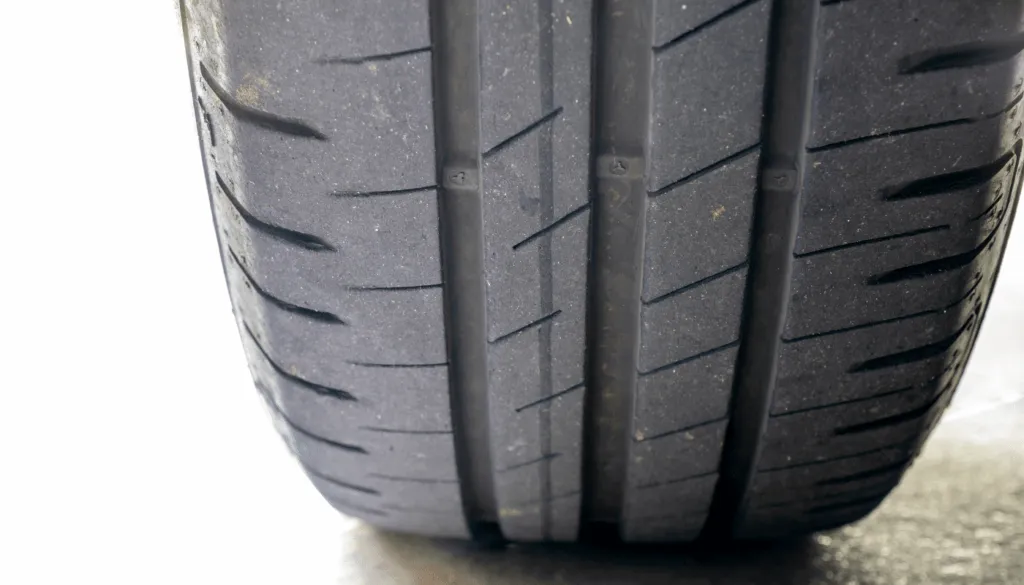
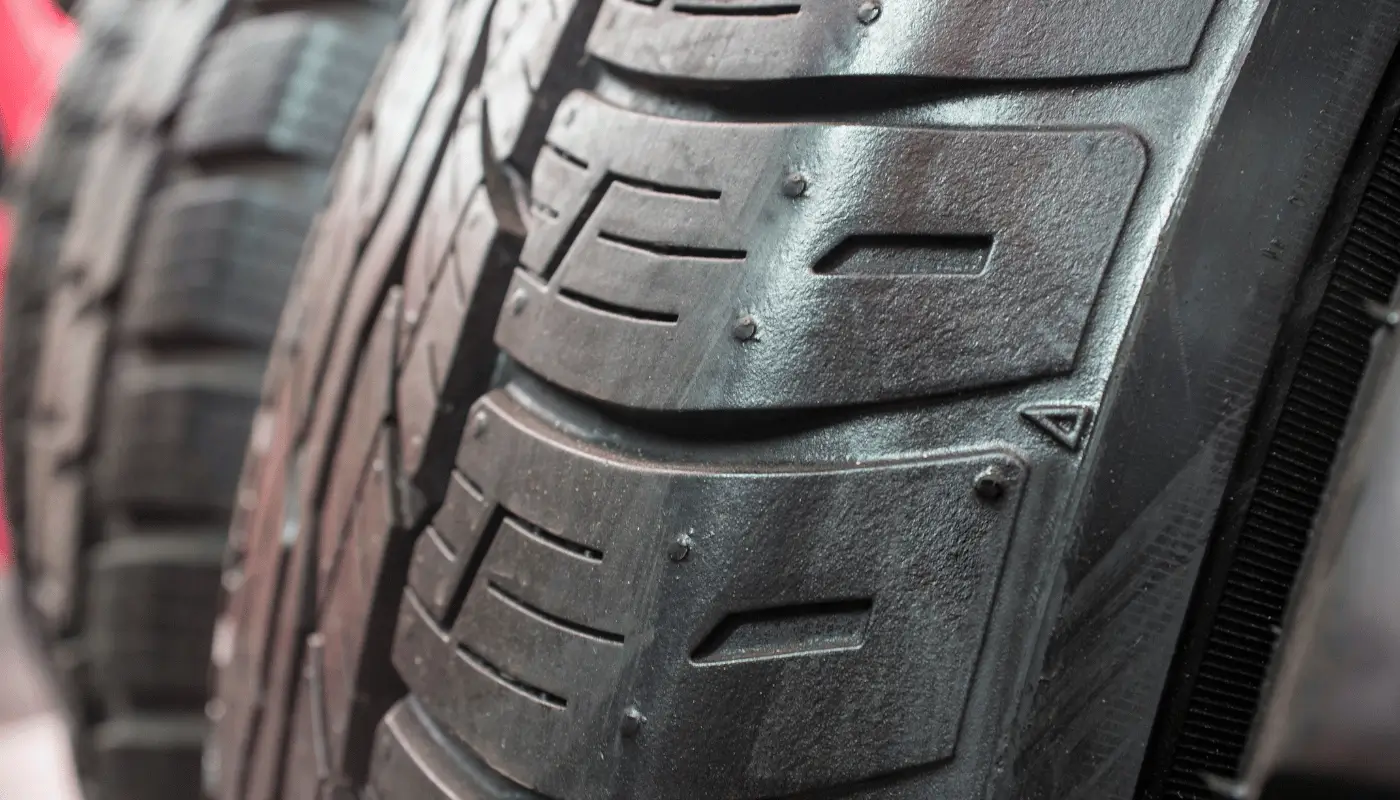
The tire wear indicator, known by the acronym TWI (Tread Wear Indicator), is a small raised bar located in the tire grooves, designed to make it easier to visually identify the level of tread wear.
When the tire surface is level with these raised bars, it means the tire has reached the legal minimum safety limit for tread depth, which in Brazil is 1.6 mm.
In addition to being a safety reference, the wear indicator helps prevent fines for using tires below the legal limit and contributes to the fleet's operational efficiency, ensuring that the team replaces or retreads tires at the right time.
Want to see this in your fleet? Talk to a Prolog specialist
What is the tire wear indicator for?
Keep track of tire safety and efficiency
The tire wear indicator is used to keep track of tire safety and efficiency. This marking helps fleet managers and drivers identify when tires are approaching their minimum safety limit.
By law in Brazil, this limit is 1.6 mm, but to have a safety margin and ensure the preservation of the tire casing, the fleet's internal management usually sets it between 2 and 3 mm.
Prevent accidents caused by worn tires
Excessively worn tires reduce the vehicle's grip on the road, especially in adverse conditions such as rain, and compromise braking effectiveness.
In emergency situations, a well-maintained tire can make the difference between a safe stop and a possible accident.
Increase fuel efficiency
In addition to safety, the wear indicator plays an important role in optimizing fuel efficiency. Tires with the proper tread depth maintain optimized rolling resistance, which contributes to better fuel consumption.
Worn tires, on the other hand, can increase rolling resistance, resulting in higher fuel consumption and, consequently, higher operating costs.
Schedule preventive maintenance
Keeping track of the wear indicator also helps schedule preventive maintenance, avoiding unexpected replacements and making it possible to plan retreading at the most opportune time.
This extends the useful life of tires and ensures that the fleet operates with minimal interruptions.
Avoid unnecessary fines
In Brazil, anyone who does not respect the minimum tire tread depth (1.6mm) is subject to the penalties set out in item X of Article 230 of the Brazilian Traffic Code (CTB).
The law sets this measure because excessive tire wear endangers the life and safety of the driver and of other vehicles on the road.
How do you assess the tire wear indicator?
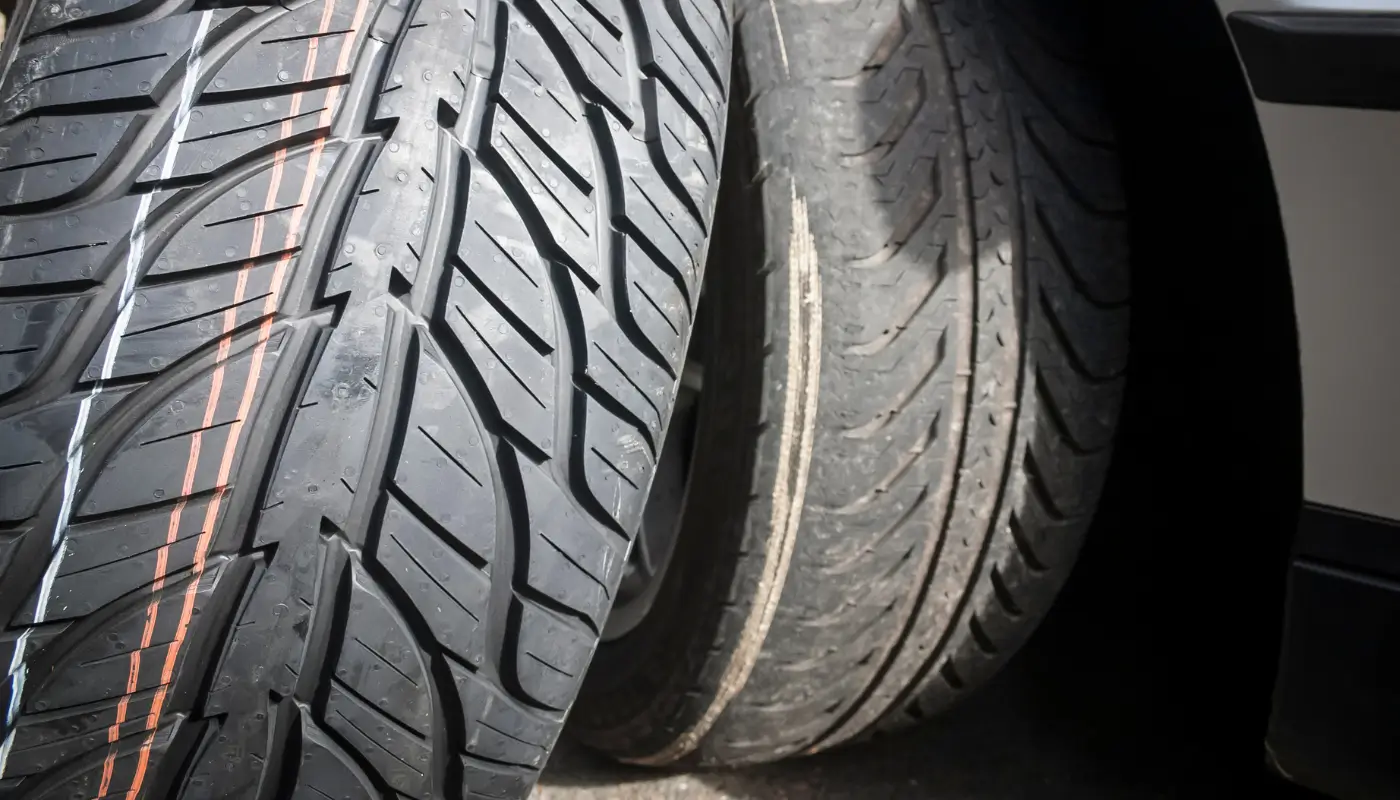
To make this assessment, examine the TWI at different points along the tire. This is important because wear may not be even.
And if the TWI no longer shows on any part of the tire, it is a clear sign that the tire has reached its safety limit and needs to be replaced or retreaded.
To make your inspection more precise, use a ruler or a digital tread probe suited to the case. This tool provides an exact measurement of tread depth, helping you decide more precisely whether the tire is still fit for use or not.
What are the ways to measure tire wear?
The most common methods for keeping track of the tire wear indicator are:
- Direct use of the tire wear indicator (TWI) alone
In this case, the tire runs until it reaches the TWI's 1.6 mm limit. When the tire surface is level with this indicator, it is time to consider replacement.
A more precise tool, the depth meter makes it possible to measure exactly how many millimeters are left in the tire grooves.
This device goes into the grooves and provides a direct reading of the depth, helping determine how close the tire is to reaching the legal or recommended limit.
- Tire management system
The tire management system is a tool that offers comprehensive control over all aspects related to a fleet's tires. It integrates with different tools to receive the necessary data.
This makes it possible to keep track of, analyze and optimize tire use and maintenance, providing more information for predicting replacements and services.
How can you use the tire wear indicator to reduce fleet costs?
Checking the indicator regularly
By establishing a checking routine, fleets can avoid excessive use of worn tires, which are less efficient and safe, and replace or retread them before bigger, more expensive issues arise.
Planning tire retreading in advance
Retreading a tire at the ideal time, based on the information provided by the wear indicator, maximizes the tire life cycle and avoids premature spending.
With this kind of planning, you can keep a balanced inventory of retreaded tires ready for use, ensuring that the operation does not stop for lack of suitable tires and keeping costs under control.
Keeping track of preventive maintenance
Keeping track of preventive maintenance based on the tire wear indicator helps ensure that every aspect of the tires, from calibration to balancing and alignment, is always in ideal condition.
Preventive maintenance reduces the occurrence of unexpected, costly failures, allowing potential issues to be identified and corrected before they result in more extensive repairs or the need to replace the tires entirely.
How does the wear indicator influence the retreadability rate?
Tire retreading is a process that replaces the worn tread with a new one, allowing the used tire to be reused for approximately 2 years after retreading.
With a good retreadability rate, it is possible to achieve up to 3 retreads on a single tire.
This retreadability rate is directly linked to a tire's ability to be retreaded and continue offering adequate performance and safety. The higher this rate, the better the tire's condition to withstand the retreading process and extend its useful life.
To check the need for and possibility of retreading, it is essential to analyze the tire wear indicator, the TWI.
This indicator shows how much the tire has already worn and helps predict when retreading will be needed, ensuring that the tire is not retreaded beyond its safe limit.
How do you increase the retreadability rate?
A high-quality tire, bought from a trusted supplier, will make a difference in your fleet. But even with a lot of quality, tire care is indispensable.
Tire inspection, keeping the tires' calibration up to date, controlling load weight limits, instructing drivers on good driving practices, and so on, are all actions that will increase the chances of the tire being retreaded without issues.
One last important point: choosing the retreader. Just like the decision to buy tires from a reliable make, you need to know who will retread your fleet's tires.
It is essential that the service be carried out by a specialized, reliable company.
Ready to optimize your fleet's tire management and ensure a more efficient and economical operation? Get in touch with us to see the tire management solution in a free demo. Click here and request your demo.
Frequently asked questions
What is the tire wear indicator (TWI)?
What is the legal tread depth limit?
How do you assess the wear indicator in practice?
What are the ways to measure tire wear?
Does a worn tire increase fuel consumption?
How many times can a tire be retreaded?
// newsletter
Fleet management content, straight to your inbox
Articles on tires, maintenance and fleet operations. No spam.