Truck tire retreading: R$ 300 to R$ 600
 Jean Zart 6 min read
Managing a heavy vehicle fleet involves various costs, and one of the main expenses is tires. Tire retreading has become an alternative for reducing these costs while extending tire useful life.
This process replaces worn tread with a new layer, preserving the original casing when it is in good condition and maintaining performance close to that of a new tire.
See below:
- What retreading a tire means
- How tire retreading works
- How much tire retreading costs
- Whether truck tire retreading is permitted
- How many km a retread lasts
- The benefits of tire retreading for fleets
- Which tire types can be retreaded
- Retreading versus other tire refurbishment methods
- What about recycled tires
What does retreading a tire mean?
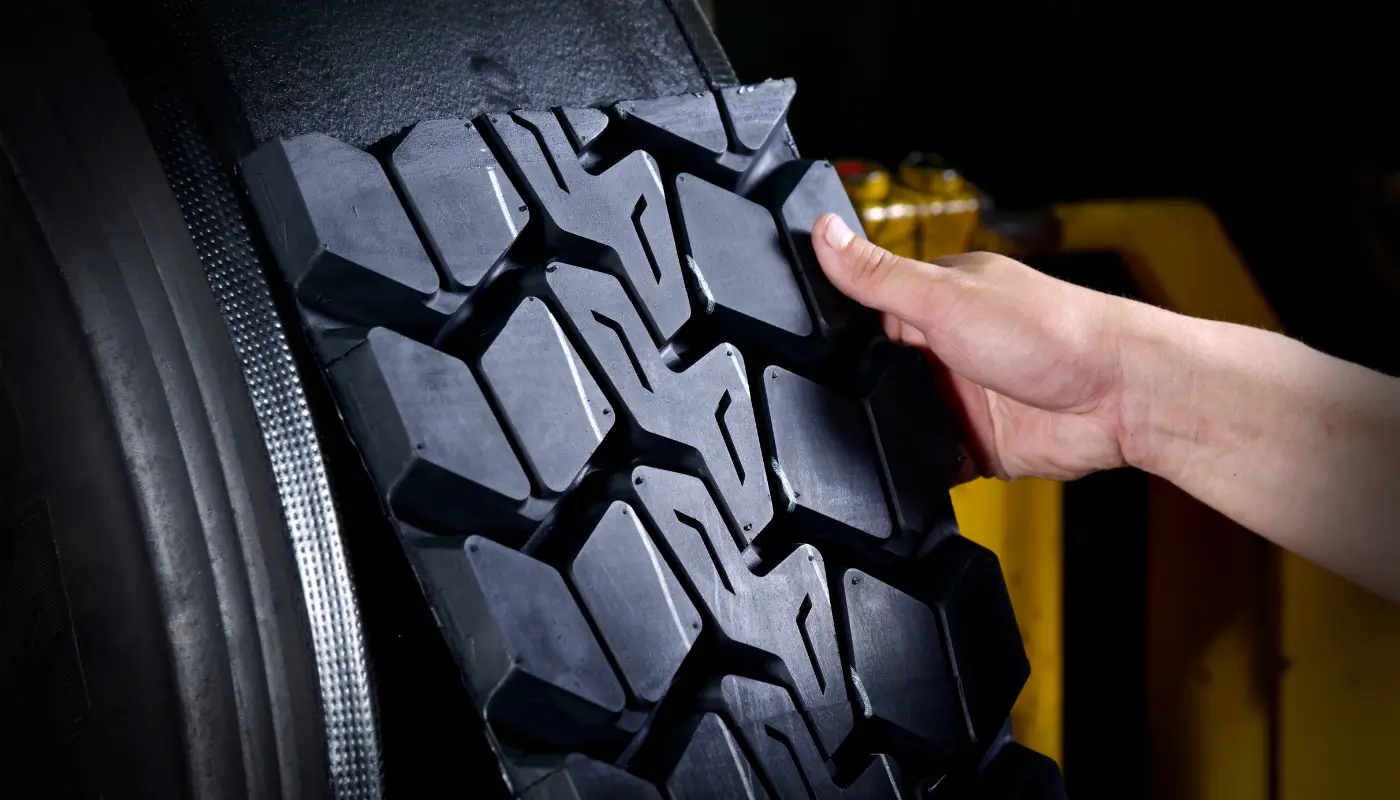
Retreading a tire is a renewal process involving a new rubber layer applied over worn tread. In Brazil's regulatory definition, it is tire refurbishment by replacing the tread. The procedure uses the original casing, provided it is in good condition, giving the tire a new useful life and allowing it to keep running safely and efficiently.
It is common in truck and bus fleets, since heavy vehicle tires tend to have a robust structure allowing several retreads. Even so, each casing must be assessed before service, because there is a limit to the number of retreads a tire can safely withstand.
How does tire retreading work?
The tire retreading process involves carefully planned steps to ensure the safety and performance of the retreaded tire. The main steps are:
- Casing inspection: if there is structural damage such as deep cuts or bulges, the tire will be rejected for retreading.
- Casing preparation: the old tread is removed and the casing is cleaned and prepared for the new rubber layer.
- Applying new rubber: new rubber is applied to the casing using either hot or cold retreading.
- Curing and vulcanization: the newly applied rubber undergoes curing, subjected to heat and pressure to ensure adhesion to the casing.
- Final inspection: the tire is inspected again to ensure it meets safety and performance standards.
Besides these steps, in Brazil the supplier must check minimum tire data before refurbishment and mark whether the product has undergone overlay retreading, retreading, remolding or refurbishment, as well as the number of refurbishments already performed. These records help provide traceability for the casing's history.
How much does tire retreading cost?
Tire retreading cost varies by region, tire type and process used (hot or cold retreading). In Brazil, the average price for retreading a truck tire can generally range from R$300 to R$600 per tire.
As you can see, that amount is lower than a new tire's cost, which can range from R$1,000 to R$2,500 or more depending on model and specifications. Retreading can therefore save up to 50% on tire costs.
Is truck tire retreading permitted?
Yes, truck tire retreading is permitted in Brazil, provided the service follows mandatory tire refurbishment requirements and is performed by a supplier registered with Inmetro. Inmetro Ordinance No. 433/2021 sets mandatory requirements for proper tire refurbishment and requires service suppliers within Brazil to be registered with the Institute.
It is important to remember that, for retreading to be legal and safe, refurbishment must undergo conformity assessment and meet applicable rules so that the refurbished tire poses no risks compromising user safety.
How many km does a retread last?
A retreaded tire's durability varies with operating conditions, routes traveled and tire maintenance management. On average, a retreaded tire can last between 60,000 and 80,000 km, but in ideal conditions it can reach 100,000 km, just like a new tire.
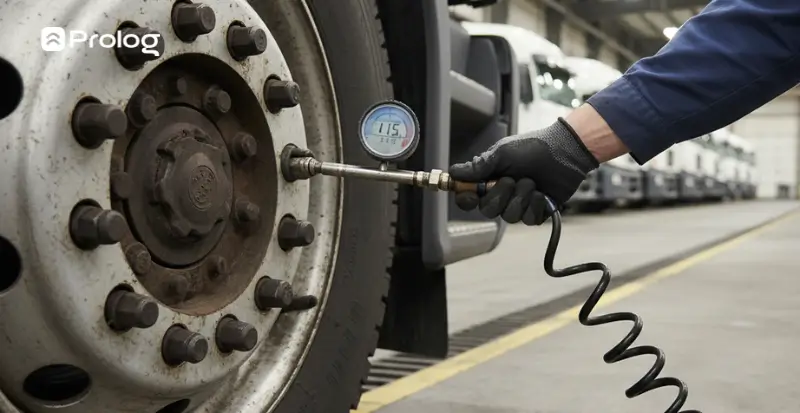
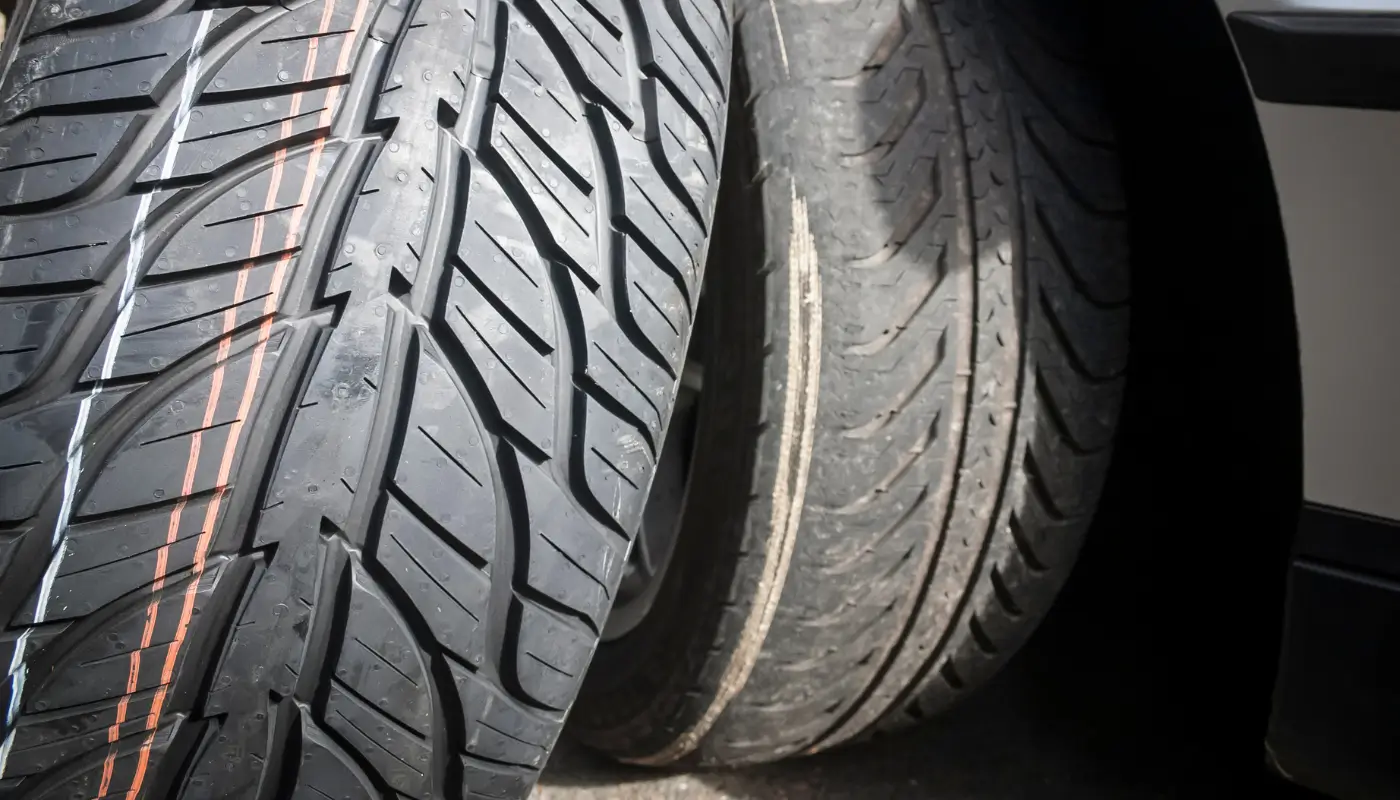
Useful life will be maximized if the fleet adopts appropriate tire maintenance practices, such as regular calibration, tire rotation and frequent alignment. Monitoring tread depth also helps determine the right time for retreading or replacement, while keeping CPK under control.
What are the benefits of tire retreading for fleets?
Lower fleet costs
Retreading's main advantage is its lower cost compared with buying new tires. As stated earlier, retreading a tire costs an average of half the price of a new one.
This makes it clear why tire retreading is a way for fleets to save. Besides the price of the service, the number of retreads directly influences CPK, so the decision must consider casing history and actual operating conditions.
Sustainability: saving resources
Tire retreading uses only 20% of the raw material needed to produce a new tire. Did you know that?
It can therefore contribute to sustainability by reducing the need to manufacture new tires, saving raw materials such as rubber and oil. Retreading also reduces old tire disposal, lowering environmental impact.
Greater tire durability
Retreading makes it possible to extend each tire's useful life, allowing the fleet to travel more kilometers before needing replacements. This means tire investment can be spread over a longer period.
In general, retreaded tires can last up to 2 more years after the process. Since it can be repeated another 1 or 2 times, you gain an average of 5 additional years for fleet tires.
A safe process
Some managers hesitate about this process simply because they lack information about retreading safety. But we are here to tell you:
When performed by specialized, registered companies following safety standards, tire retreading is safe. Quality retreaded tires offer performance very close to new tires.
Tests to ensure the safety and use of refurbished tires are important. In Brazil, refurbishment service suppliers are also required to be registered with INMETRO and fully comply with the applicable regulation.
Which tire types can be retreaded?
Retreading is more common on heavy vehicle tires, such as trucks and buses, because of their robust casings. Although technically possible on light vehicle tires, the practice is uncommon and in many cases not recommended.
In Brazil, refurbishing tires intended for public-road use on mopeds, scooters, motorcycles and tricycles is prohibited. For trucks and buses, the casing must be suitable; deep cuts, bulges and other structural damage can lead to rejection.
Retreading versus other tire refurbishment methods
Although retreading is the most common form of tire refurbishment, other methods include overlay retreading (known in Brazil as recauchutagem) and remolding.
In overlay retreading, rubber is applied over the worn tread without removing the old layer. The new layer is placed over the old one.
In remolding, all outer rubber is removed and only the tire's internal structure is reused. The tire then receives a new rubber layer, resulting in a nearly new product.
What about recycled tires?
Even with growing retreading use in Brazil, many tires are still discarded improperly or without undergoing this process because of inadequate care during their useful life.
Discarded tires can also be recycled, however. They can become materials for sports court flooring, highway pavement and other rubber products.
A fact for you: each recovered tire saves up to 80% in electricity and around 57 liters of oil.
Ready to optimize your fleet's tire management further? Download our tire control spreadsheet now and start reducing tire disposal while ensuring safe, lasting retreading.
Frequently asked questions
How much does it cost to retread a truck tire?
How many kilometers does a retreaded tire last?
Is truck tire retreading legally permitted?
What is the difference between retreading, overlay retreading and remolding?
Can every type of tire be retreaded?
Is retreading good for the environment?
// newsletter
Fleet management content, straight to your inbox
Articles on tires, maintenance and fleet operations. No spam.