Retread rejection: what the retreader will not accept
 Jean Zart 6 min read
Tire retreading is an essential practice for fleet managers, helping control operating costs. However, managers often end up dealing with retread rejection — when the retreader does not accept a tire because of structural damage.
This rejection directly increases costs, since a new tire needs to be purchased earlier than planned — and its price is well above that of a retreading service.
This reinforces the importance of effective tire management practices, such as proper rotation, pressure control and regular inspections. See below:
What does retreading a tire mean?
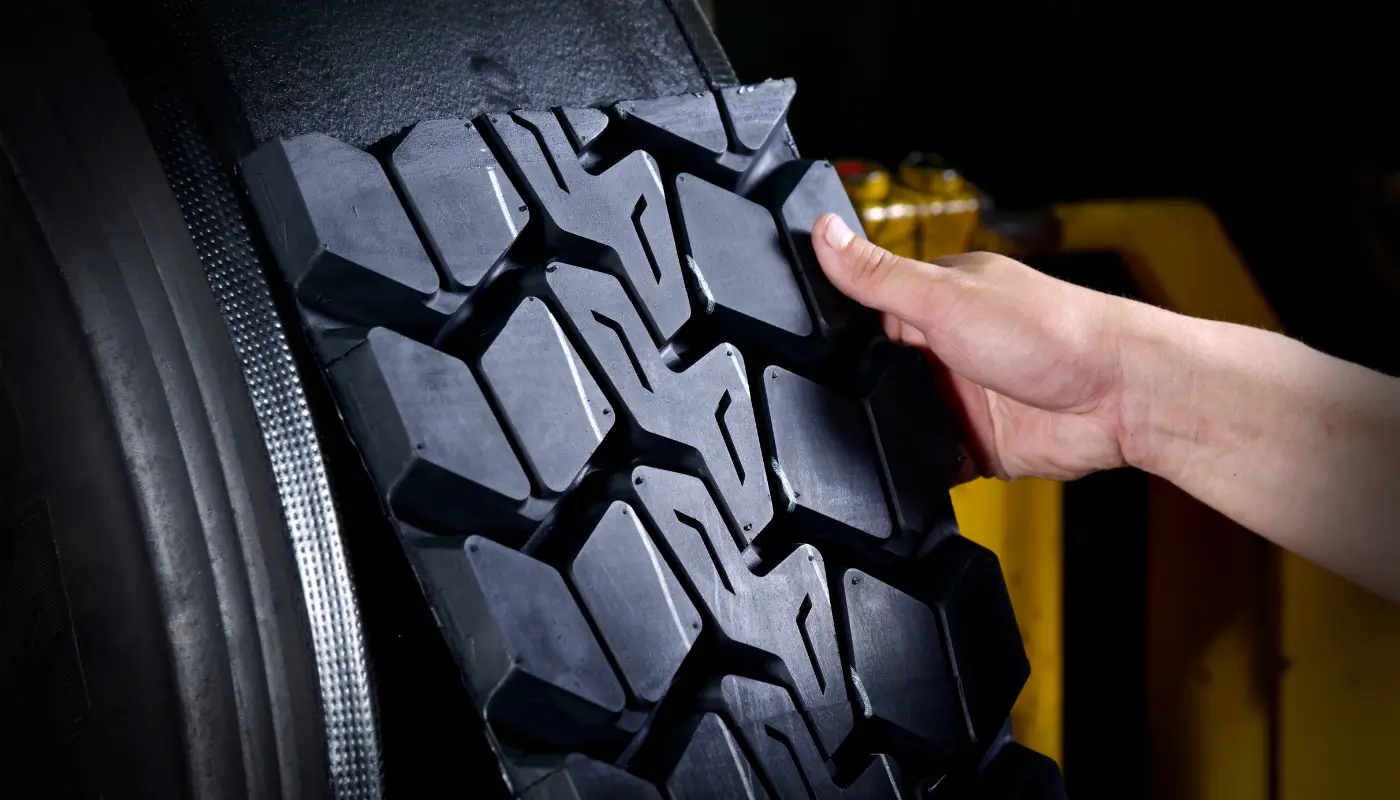
Retreading a tire is a process aimed at extending its useful life by applying a new layer of rubber over the casing. This is only done when the tire's internal structure (the casing) is still in good condition.
This procedure is widely used in fleet tire management, especially in the road transport sector, where demand for tires is constant and frequent replacement costs can be high.
Retreading can be carried out more than once on a single tire, provided its casing is suitable.
When can a tire be retreaded? – A tire can be retreaded when it shows signs of natural rubber wear, but its casing remains intact, without structural damage. This wear occurs during normal tire use and is expected within an efficient tire management routine.
When does retread rejection happen?
Retread rejection occurs when the retreader determines that the tire casing is not safe to receive a new tread. This can happen for various reasons, such as severe structural damage, excessive rubber wear or impact-related deformations.
The tire casing is responsible for maintaining its structure and ensuring it withstands the loads and pressures imposed during use. When the casing is damaged or worn, whether from material fatigue or severe impacts, the tire cannot be retreaded safely.
Casing fatigue usually occurs after long periods of use or in situations where the tire has been subjected to extreme conditions.
Deep cuts, punctures and other damage to the tire structure are frequent reasons for retread rejection. This damage can be caused by objects on roads, such as nails and stones, or even impacts with curbs and potholes.
Tires showing bulges or deformations are also considered unsuitable for retreading.
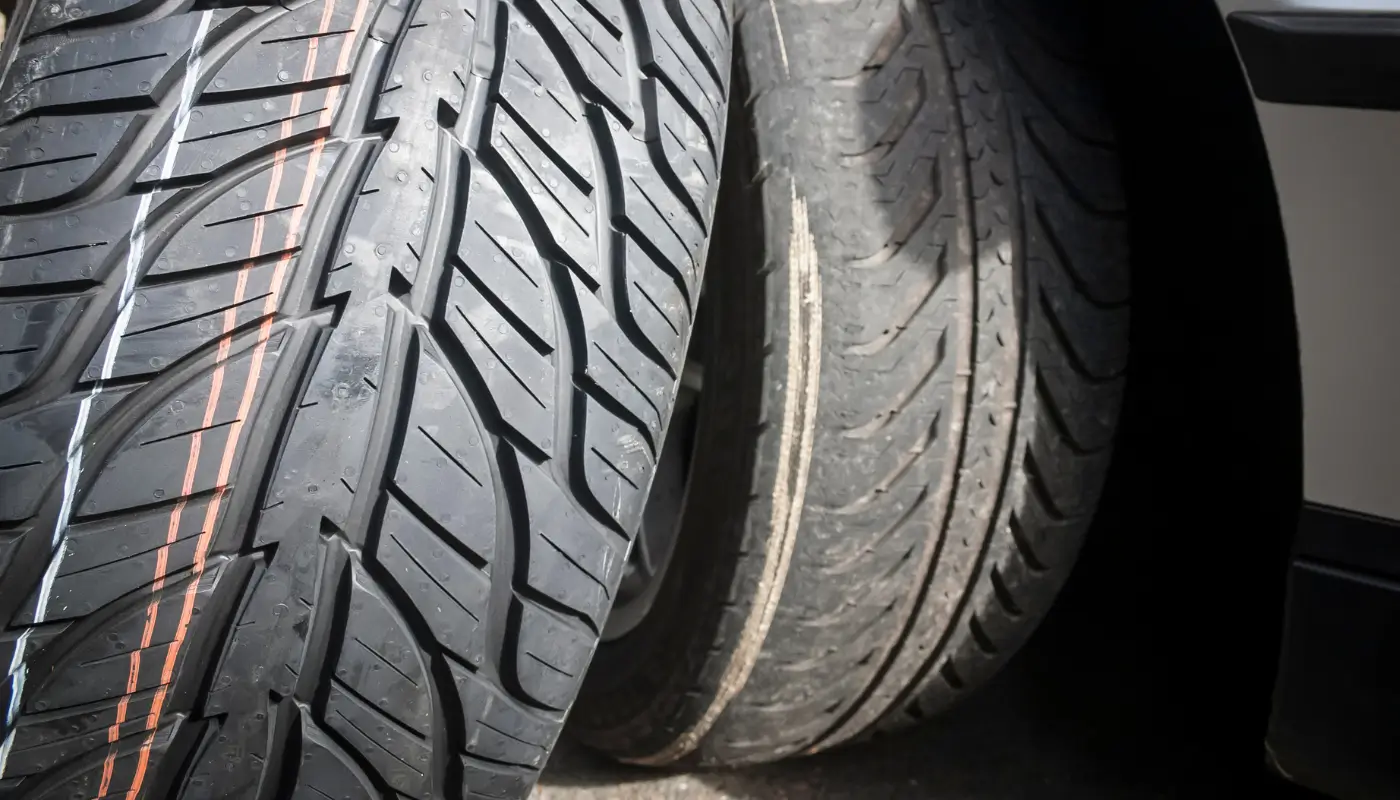
Irregular or excessive tread wear can also make retreading unfeasible. When a tire is used beyond the safety limit, the casing may suffer damage affecting the integrity of the tire as a whole.
Another common rejection factor is the tire's time in use. If the casing has exceeded its useful life limit or been subjected to severe conditions without proper care, such as a lack of preventive maintenance, retreading will not be possible.
Tires that come into contact with chemical products, such as oils or solvents, may have their casings damaged. This contamination weakens the rubber and compromises the ability to reuse the tire, resulting in retread rejection.
There is also the possibility that a tire has already undergone a poorly performed retread and will be rejected in future attempts. Improperly retreaded tires present high risks of failure, such as separation of the new rubber layer, compromising vehicle safety.
How can you prevent retread rejection?
Retread rejection can be avoided with good tire management and preventive practices in the fleet's daily routine. Here are some practical tips to increase the chances of retreading your fleet's tires and thus optimize operating costs:
Perform tire rotation regularly
One of the main practices for ensuring tire longevity and avoiding irregular wear is tire rotation.
Changing tire positions allows wear to occur more uniformly, preventing certain parts of the tire from wearing out before the rest. Rotation should follow manufacturer recommendations and also be based on the fleet's operating conditions.
Tire wear is, after all, inevitable, since tires are the only point of contact between a vehicle and the ground. During trips, various factors contribute to irregular tire wear, such as road conditions; the weight and distribution of the load inside the vehicle; and the weather during transport.
By rotating frequently, you prevent tires from suffering excessive wear in certain areas, which could make retreading unfeasible.
Measure and adjust calibration pressure
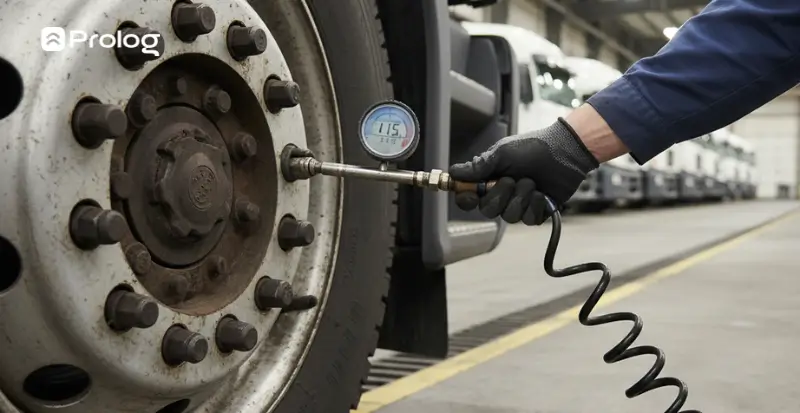
Tires with low pressure have greater ground contact, causing accelerated wear on the sides. Tires with excessive pressure wear the center of the tread more quickly.
That is why maintaining correct tire pressure is essential to prevent premature damage.
Proper pressure reduces the risk of abnormal wear and increases casing durability, ensuring the tire is in good condition for retreading. It also has an impact on fleet maintenance services and costs.
The general recommendation is to check calibration at least once a week — and, of course, adjust as needed.
It is important to pay attention to the recommendations of vehicle and tire manufacturers to calibrate within the ideal pressure range.
Ensure good driving behavior among drivers
Abrupt acceleration, sudden braking and improperly taken turns increase tire wear and can cause structural damage. Careful driving, on the other hand, reduces tire stress, avoids severe impacts and helps extend useful life, increasing the chances of retreading the tire.
It is important to provide training and raise drivers' awareness of the correct way to drive vehicles to preserve tires.
They should understand their role in saving resources and fleet performance.
The fleet manager is primarily responsible for being in contact with all company areas, since this task involves departments such as Human Resources (HR). Internal communication between departments is essential for driver awareness campaigns and training.
Assessing tread depth wear patterns
Keeping track of tread wear continuously is essential to predict when a tire will need retreading — and just as important as keeping track of pressure.
Technological tools, such as wear sensors, electronic tread probes and tire management systems, help analyze groove condition and plan preventive maintenance.
In general, keeping precise track of tread depth allows managers to identify issues before wear reaches a critical point, preventing the tire from being discarded prematurely and rejected for retreading.
This procedure also helps understand which behavior led to deterioration and ensure tires do not keep running after reaching the maximum wear level.
For a better understanding of your fleet's tires, you can analyze them by supplier, vehicle types, routes traveled and who drove a given vehicle.
You can use other information for this analysis, but we highlight these because we believe they are among the most important for identifying what reduces tire useful life and causes retread rejection.
Retread rejection is a headache every fleet manager wants to avoid, and these are some tips to help you reduce the number of rejected tires and save in the long term.
Do you want to reduce retread rejection and increase your tires' useful life? Schedule a free demonstration now and discover our solutions for optimizing your fleet's tire management.
Frequently asked questions
What does retreading a tire mean?
When can a tire be retreaded?
Why does the retreader reject a tire casing?
How can you prevent retread rejection in a fleet?
How often should tire calibration be checked?
How does driver behavior affect retreading?
// newsletter
Fleet management content, straight to your inbox
Articles on tires, maintenance and fleet operations. No spam.