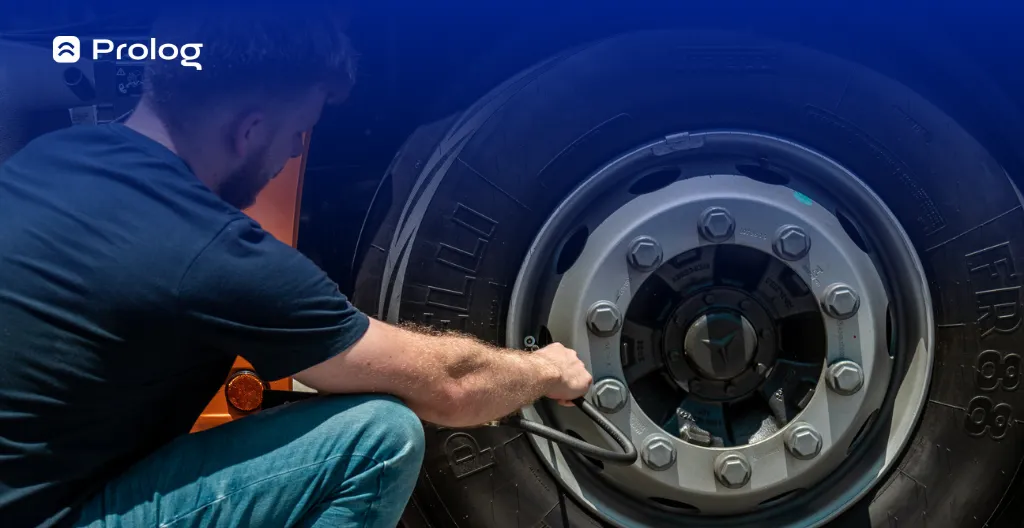
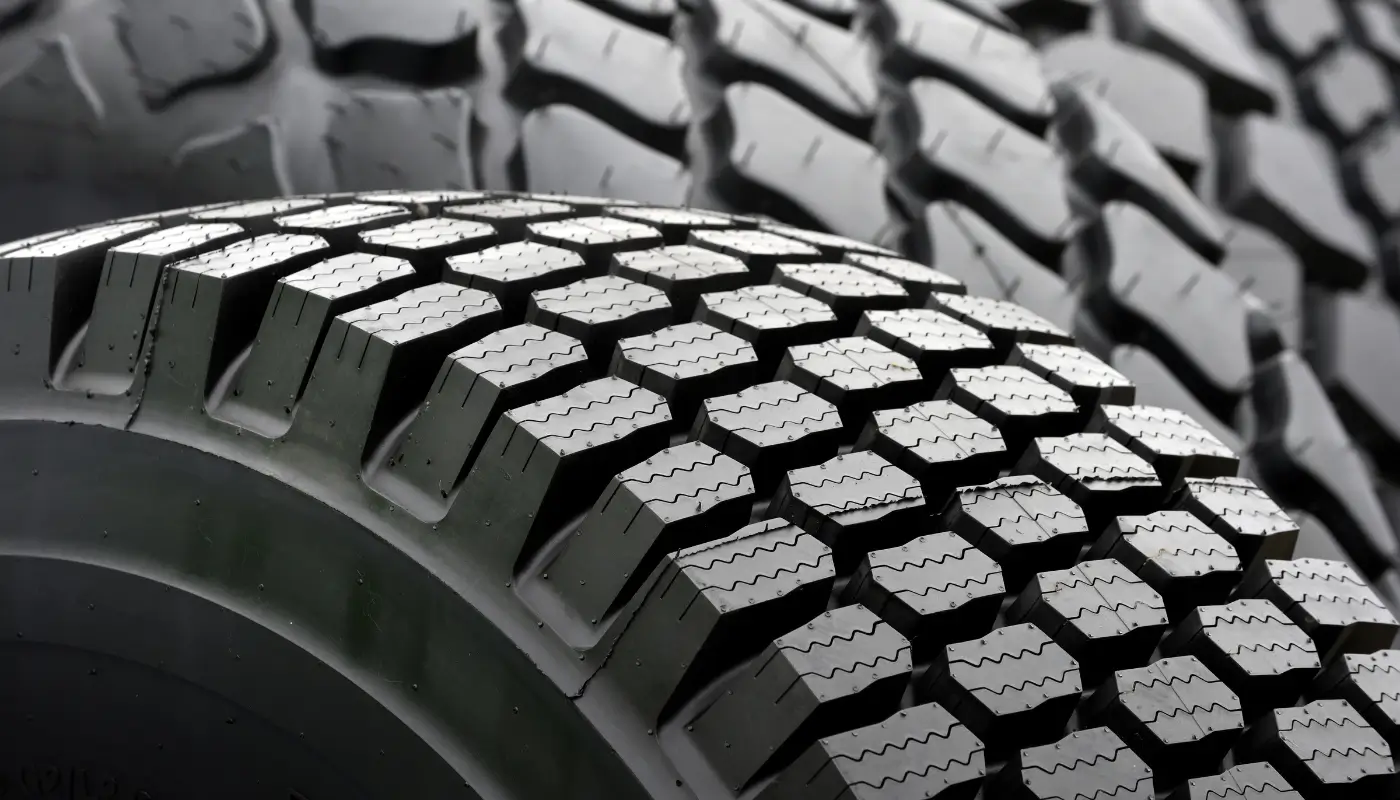
Forgot tire calibration? The mistake and trip risks
 Luiz Felipe 5 min read
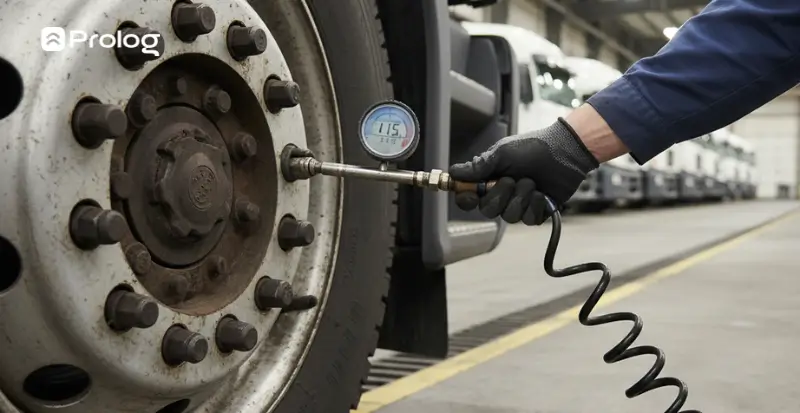
Incorrect tire calibration not only increases accident risks but also raises fuel consumption, accelerates tire wear and can compromise other vehicle components.
Keeping fleet tires at the right pressure may seem simple — and it is. The issue arises when it is absent from the operational routine and impacts appear only after damage is done.
Learn below:
- What happens if a tire is incorrectly calibrated?
- The risks of incorrect tire calibration
- What can cause poor tire calibration?
- How to identify incorrect tire calibration and avoid these issues
- Correcting incorrect tire calibration
Want to see this in your fleet? Talk to a Prolog specialist
What happens if a tire is incorrectly calibrated?
Tire pressure directly affects how a vehicle behaves on the road. When incorrect, below or above recommendations, tires work in conditions they were not designed for.
Results appear in several ways: uneven tread wear, greater engine effort to move the vehicle, reduced stability in corners and braking, and increased vulnerability to impact damage.
In truck fleets, where tires already face demanding conditions, incorrect calibration accelerates all these effects.
Worse, many of these effects are not apparent. A tire gives no warning when it is low enough to increase fuel consumption without looking visibly flattened.
What are the risks of incorrect tire calibration?
Ideal pressure varies by vehicle model, tire type and load weight. The owner's manual provides the manufacturer's baseline reference for front and rear tires, and routine follow-up helps ensure tires remain within the correct range. (The video above is in Portuguese.)
Risks when pressure is below ideal:
Hydroplaning
This occurs when the vehicle slides or floats on water and loses ground contact.
With low calibration, on wet roads or puddles, tires lack the force to sink through and maintain full ground contact, potentially causing the vehicle to slide.
Impact damage
Tires become lower and softer with low pressure, with less resistance to cushion impacts from potholes and uneven road surfaces.
This harms not only tires but the whole vehicle, since each impact can cause parts to break or shift out of place.
Bead unseating
Tire bead unseating means a tire comes off the wheel while the vehicle is moving. It is uncommon, but do you know when there is a risk?
When calibration is low! Especially on roads with very tight corners and when the vehicle is overweight.
Higher fuel consumption
With low tires, the vehicle needs more effort to move, resulting in higher fuel consumption and early tire wear.
Increased tire wear
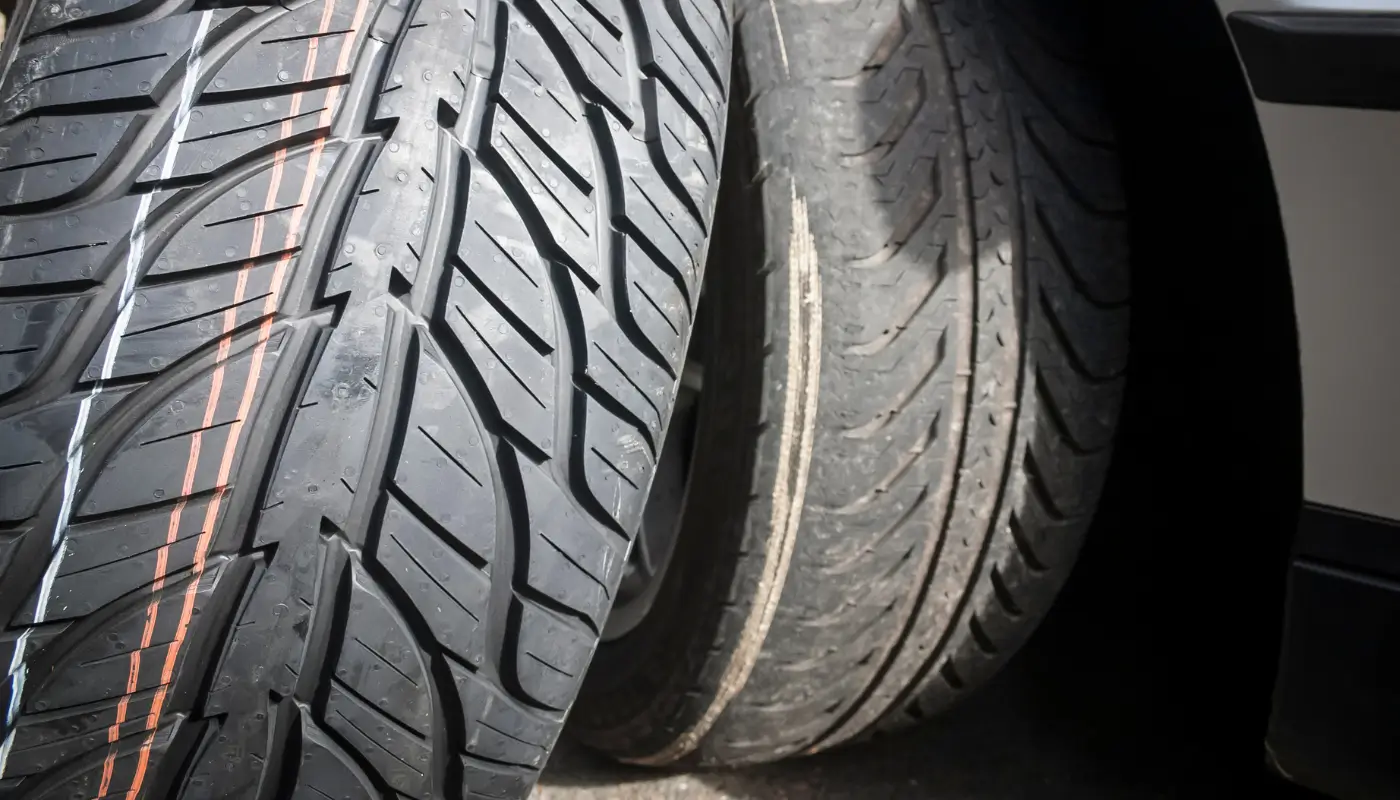
With low calibration, tires increase ground contact area and become less resistant. This causes more damage during trips, increasing rubber wear and consequently reducing tire durability.
When calibration is above ideal, the main risks are:
Loss of stability
High pressure does the opposite of low pressure, making only the central tread strip contact the ground. This impairs the vehicle's balance, which is quite dangerous in corners.
High pressure also makes tires stiffer and bouncier, potentially damaging other vehicle components.
Structural damage
Overly stiff tires are more susceptible to tears and damage and cause vibrations that can damage the suspension system.
Poor braking
To brake the vehicle, the tires must stop rotating. With high pressure, friction between the tire and the ground is reduced, increasing stopping distance in emergency situations.
What can cause poor tire calibration?
Incorrect calibration rarely results from one factor. In practice, the main causes include:
- Natural pressure loss: tires gradually lose pressure over time, even without any damage. Without a defined fleet checking routine, this goes unnoticed.
- Temperature variation: a tire's internal pressure changes with ambient temperature. It tends to fall on colder days and increases on hot days or after long driving. Measuring hot tires gives inaccurate readings.
- Calibration process failures: uncalibrated equipment, inconsistent procedures among tire technicians or no defined operating standard result in different pressures among tires on the same axle.
- Lack of records and traceability: without calibration history by vehicle and tire, identifying pressure loss patterns that may indicate bigger issues, such as faulty valves or tires with microcracks, is difficult.
How do you identify incorrect tire calibration and avoid these issues?
Visual inspection is a starting point. Low tires look flattened; overpressurized tires have narrower tread. Relying on sight alone is risky, since pressure variations within the problematic range are often invisible.
The most reliable approach uses reliable, accurate measuring devices or pressure gauges, which measure pressure less subjectively than visual inspection. Readings are even better when taken with cold tires, before driving or after enough time for the tire to return to its resting condition.
When team-recorded inspections enter a tire management system, they feed a history for each vehicle, with necessary adjustment alerts and replacement forecasts based on each tire's observed behavior.
Correcting incorrect tire calibration
The ideal pressure reference is the owner's manual, which provides the manufacturer's recommended pressure for front and rear tires. Adjustments outside the range given in the manual should not be treated as merely operational decisions: they must respect applicable vehicle, tire and load safety specifications, with proper validation before becoming fleet standard.
An important point: calibration should always use cold tires, preferably before daily operations. Tires heated by use tend to expand, producing readings above actual resting pressure.
Beyond adjustment itself, regularity provides real control. Check at a defined fleet frequency, especially before longer trips or additional loads, recording each inspection by vehicle.
Systems such as Prolog App tire management help organize this process, centralizing the records made by the team, issuing adjustment alerts and keeping each fleet tire's history.
Want to see how it works in practice? Discover Prolog App's tire management solution.
Want to see this in your fleet? Talk to a Prolog specialist
Frequently asked questions
What happens when a tire is incorrectly calibrated?
What are the risks of driving with low tire pressure?
What are the risks of excessive tire pressure?
What causes incorrect tire calibration?
How do you identify incorrect tire calibration?
How do you correct incorrect tire calibration?
// newsletter
Fleet management content, straight to your inbox
Articles on tires, maintenance and fleet operations. No spam.