Why tires come off the wheel: bead unseating and prevention
 Luiz Felipe 4 min read
Bead unseating usually happens when the tire's calibration is low, which results in the tire coming loose from the wheel.
Among the problems that incorrect tire calibration can bring, this is one of the most serious, because it happens while the vehicle is moving.
Low, or high, pressure can also harm the truck's components and increase the loss of stability during the trip. It also increases the risk of roadside stops, which delay deliveries, in addition to causing more traffic accidents.
To avoid these situations, including bead unseating, you need to understand the risks of neglecting tire control. Even more: learn the importance of the correct tire pressure.
Today, learn more about what bead unseating is, why it happens and how to avoid it. Keep reading!
What is bead unseating?
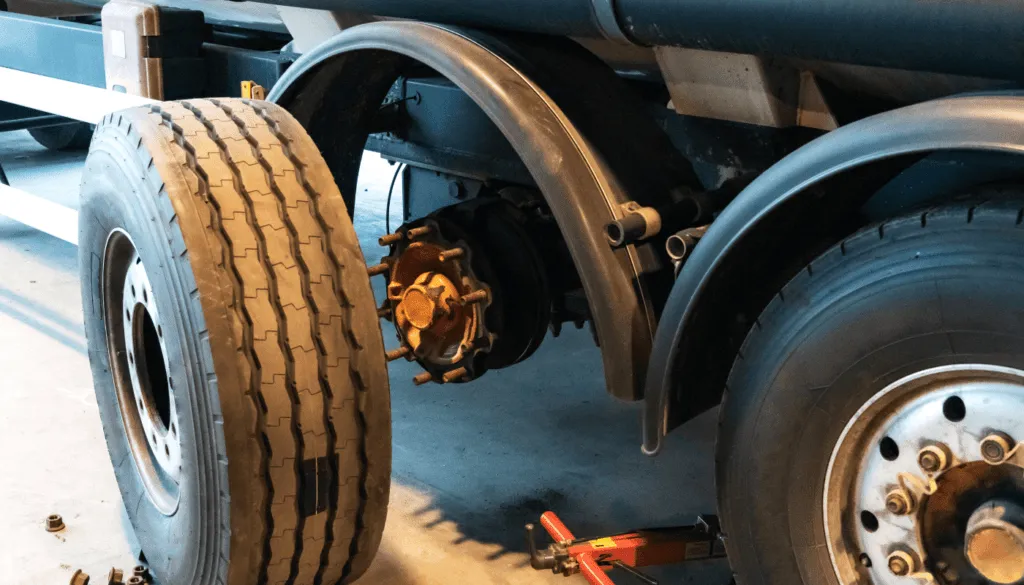
Bead unseating is the name given to when the tire comes off the wheel. It usually happens with underinflated tires that do not have the strength and balance needed to take very tight turns and support excess cargo weight.
When tires are underinflated, it means they are below the recommended psi. This can happen for two reasons: either they were poorly calibrated or they have not yet reached the time for calibration.
In the first case, it happens because of the mistake of using the same psi figure for all vehicles, when not just any number will do.
In fact, this is information stated in the owner's manual of each vehicle — and that tire manufacturers also indicate when they put the asset up for sale.
Therefore, it is the task of the fleet manager, or the tire manager, to find the ideal calibration for each tire model available in the operation, through tire management processes.
Why does bead unseating happen?
An underinflated tire has, as a consequence, an increase in the contact area with the ground. This also makes the tires more sensitive to impacts from the ground. This causes one or more tires to come off the wheel of your fleet vehicle.
Incorrect calibration does not always result in this problem, so do not consider this a rule. But know, and keep in mind, that when bead unseating happens, this is the main reason.
However, low pressure is not the only one that causes damage. With excess psi, the truck tends to bounce more, which can lead to the tire coming off the wheel.
In addition, it brings instability to the rear axle and loss of steering control even for more experienced drivers. After all, the variation in pressure affects the behavior of the vehicle itself, and the driver may make mistakes that would not otherwise happen.
With incorrect tire calibration, the driver may also face:
- Hydroplaning: It occurs when the vehicle slides over a layer of water or a puddle, more common with tires that have already lost their grip.
- Higher fuel consumption: When the air pressure is not adequate, the engine demands more performance, causing fuel to be burned quickly.
- Damage: Tires with low calibration have a shorter lifespan. This happens because the contact surface with the ground is large, causing more frequent punctures and damage.
- Instability: When pressure is excessive, tires have less surface in relation to the ground, reducing the vehicle's stability and increasing losses of control.
- Unstable braking: The lack of stability impairs the vehicle's braking, so when the driver brakes, the stopping response is not immediate or well executed.
Want to see this in your fleet? Talk to a Prolog specialist
How to avoid bead unseating?
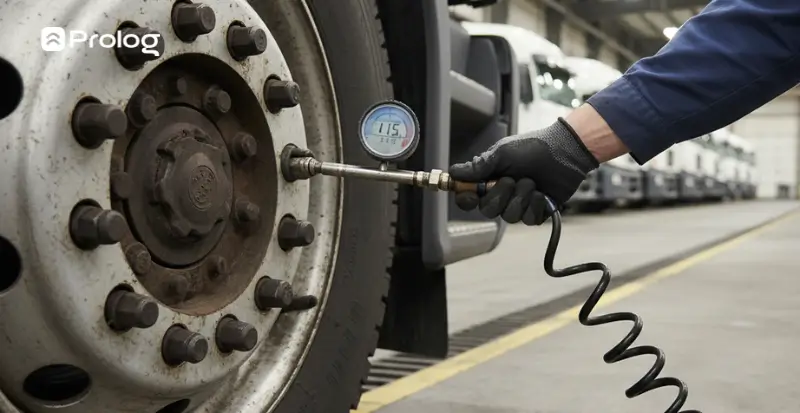
The safest way to prevent tire bead unseating is to carry out a tire management process in which, every week, the pressure of each asset installed on the truck is checked.
This way, changes are always identified in advance and the proper adjustments are made before bigger problems, such as bead unseating, occur.
Now, to find out the correct pressure, you should consult the owner's manual, as mentioned above.
Or, by keeping track of tire pressure readings, you can analyze the recorded data and determine adjustments for a pressure better suited to the routes used by the fleet.
As a general rule, calibration should be done every 7 days and, preferably, with the tires cold.
How to implement tire management?
You can use manual tools and control spreadsheets to record the information from tire pressure collection. However, with Prolog's solution, you receive an electronic inspection kit that is used to find out both the pressure and the tread depth of the tires.
This way, it is possible to avoid excessive and premature tire wear, increasing the fleet's savings in a much more practical and faster way.
If you are curious, watch our video using the tool to better understand how it works:
(video in Portuguese)
Frequently asked questions
Why does a tire come off the wheel?
What is tire bead unseating?
How do you avoid bead unseating?
What other problems can incorrect calibration cause?
Can a tire with too much pressure also come off the wheel?
// newsletter
Fleet management content, straight to your inbox
Articles on tires, maintenance and fleet operations. No spam.