Tire vulcanization: when the repair is worthwhile
 Diego Paludo 9 min read
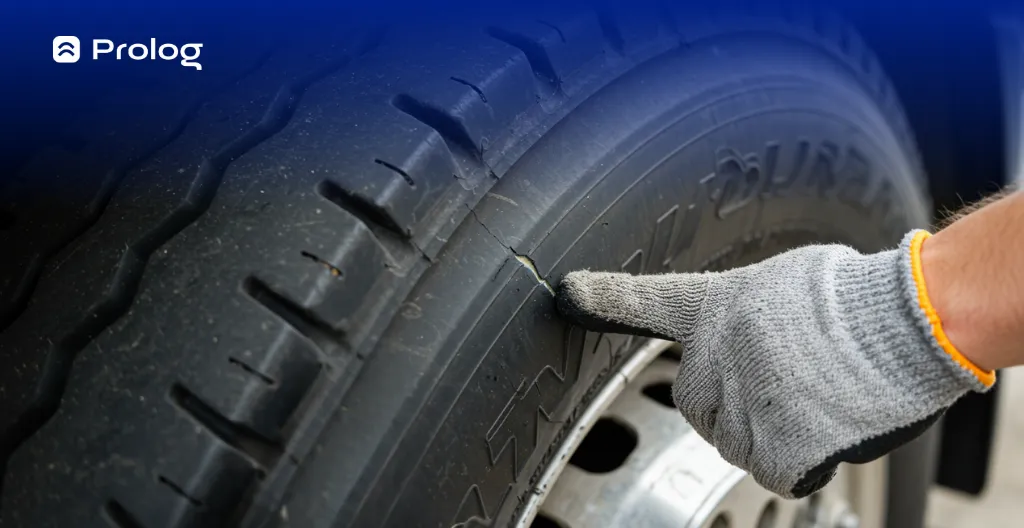
Tires are among an operation's three largest costs, behind only maintenance and fuel. Transport companies are therefore increasingly seeking ways to save on this asset by extending its useful life, and tire vulcanization can be an efficient, safe solution when the repair is technically feasible.
However, knowing how tire vulcanization works is not enough; you need to understand the right time to perform it. Only then is it possible to make technical decisions confidently and avoid fleet management losses.
This article explains all of this in practical terms. Here are the topics:
- What is tire vulcanization?
- How does the tire vulcanization process work?
- What is the difference between vulcanization and retreading?
- Is it safe to vulcanize tires?
- When is vulcanization suitable?
- How long does a vulcanized tire last?
- How can you increase your fleet's tire durability?
Keep reading to discover how to turn damage into savings opportunities — without compromising operational safety.
What is tire vulcanization?
Vulcanization is a process that makes it possible to repair damage caused by punctures, cuts or other tire wear. This procedure is performed when the driver or tire technician identifies localized damage that has not yet compromised the tire's structure as a whole.
The process uses heat, pressure and specific materials — such as repair rubber, rubber repair units, patches and vulcanizing cement — to restore the damaged area. These materials must be applied according to the suppliers' instructions for use and handling precautions.
Vulcanization is also an important alternative to immediately replacing this asset, helping reduce the operation's tire management costs without sacrificing safety.
But it is important to know that not every tire can be vulcanized. Before applying the process, you therefore need to assess the type and severity of the damage, the tire's overall condition and the limits the repair materials can withstand.
Another important point is that vulcanization does not replace retreading — they are different techniques for different situations that complement each other in efficient tire management.
How does the tire vulcanization process work?
Vulcanization is performed at specialized workshops and must follow well-defined steps to ensure repair safety. It is suitable for correcting localized damage, such as punctures or cuts, provided the rest of the tire casing is in good condition and the damage falls within the repair material's technical limits and applicable specifications.
Here is how this procedure is usually performed:
1. Cleaning the damaged area
The affected area is carefully cleaned, removing dirt, residue and any contamination that could impair material adhesion.
2. Preparing the injury
After cleaning, the damaged area is buffed or sanded to give the injury the proper shape, creating a base for applying vulcanizing rubber.
3. Applying the materials
A layer of vulcanizing cement is applied, followed by the repair material that will fill or reinforce the injury. These materials are specific to this type of repair and must follow the supplier's application instructions.
4. Vulcanization process
Once the materials are applied, the tire is subjected to heat and pressure, usually in a vulcanizing press or chamber. This stage activates the chemical reaction that bonds the new rubber to the tire structure, restoring the component's strength.
5. Cooling and finishing
Finally, the tire goes through a cooling period. Excess material is then removed and final finishing levels the surface.
The time for each process should not be treated as a universal amount of time. Under Brazil's Inmetro Ordinance 433/2021, the vulcanization procedure must specify time, temperature and pressure for each process, respecting the material suppliers' specifications.
Besides being an effective repair, vulcanization helps you avoid waste and postpone retreading or tire replacement. But remember: this process is only safe at specialized workshops, with trained technicians, suitable materials and procedure control.
What is the difference between vulcanization and retreading?
Although both processes are used to extend tire useful life, vulcanization and retreading have quite different purposes and applications — including how they act on tire structure.
Tire vulcanization is a localized repair. The technician corrects isolated damage by applying heat, pressure and repair material to the affected area. The combination of heat, pressure and rubber causes a chemical reaction called “curing,” which turns rubber into a stronger, more elastic and more durable material. The purpose of vulcanization is to restore tire integrity when damage has not yet compromised the casing structure.
Meanwhile, tire retreading is a more comprehensive process for tires whose casing remains in good condition but whose tread is worn through use. In this case, the tire's outer layer is removed and replaced with a new tread, restoring grip and performance.
In summary:
- Vulcanization addresses isolated rubber damage, such as punctures or cuts, when the repair is permitted by the tire's and materials' technical criteria;
- Retreading renews the entire tread of a worn tire.
It is also worth emphasizing that vulcanization can be performed before retreading to correct small areas of damage and preserve the casing — increasing the chance of the tire being safely retreaded in the future, provided the casing remains suitable for refurbishment.
When properly performed, these two procedures help reduce costs and make tire use more efficient and sustainable within logistics operations.
Is it safe to vulcanize tires?
Yes — provided the process follows strict technical criteria and complies with current legislation, as required in Brazil by Inmetro's Ordinance No. 433 of October 15, 2021. This regulation establishes mandatory requirements for proper tire refurbishment, including controls related to vulcanization.
According to the ordinance:
“Tire refurbishment covered by this Regulation must be performed so that the refurbished tire poses no risks that compromise user safety, regardless of full compliance with the requirements published herein.”
In other words, even if all technical procedures are followed, the refurbished tire's safety must be ensured — and this requirement makes vulcanization a process that demands care, technical knowledge and responsibility.
The standard also states:
“The vulcanization procedure must include time, temperature and pressure for each process, respecting the specifications of the material suppliers.”
This means applying the repair is not enough: you need to follow defined time, temperature and pressure standards, as specified by the manufacturers of the materials used. Instruments related to pressure, temperature and time must also be calibrated in the tire refurbishment service.
Vulcanization is therefore safe when performed technically and within the standards. For freight transport fleets, this practice can be an important ally in extending tire useful life — but only when repairs are carried out by trained professionals, with suitable equipment, registered suppliers where applicable and full process control.
When is vulcanization suitable?
As you have seen, tire vulcanization is suitable when a tire has isolated damage, such as cuts, holes or punctures, but its casing structure remains in good condition and the repair respects the limits defined for that tire, material and process.
Some examples requiring technical assessment before a decision:
- Punctures caused by nails or sharp objects, assessing position, size, depth and permitted repair limit;
- Sidewall cuts, only when technical analysis confirms the structure and internal plies have not been compromised;
- Tread tears, provided they do not compromise tire structure and can be repaired with the specified materials;
- Localized damage that has not caused bulges, separation or deformation.
In freight transport operations, this type of damage can occur frequently, especially on poorly maintained highways, in loading and unloading areas or along routes with debris. Tire vulcanization then becomes an alternative for keeping these assets in use longer, reducing operating costs and avoiding unexpected stops, when the repair is approved during technical inspection.
Important: never vulcanize tires with severe structural damage, damage outside the repair materials' accepted limits or tires at the end of their useful life. The wear indicator exists precisely to allow a visual assessment of whether the tire has reached its wear limit.
The best way to determine whether vulcanization is feasible is to perform a thorough inspection — preferably with tools that help record damage, tire history and the responsible team's decision.
How long does a vulcanized tire last?
The durability of a vulcanized tire depends on several factors, such as the type of damage repaired, the quality of the material used, how the tire will be used after repair and, of course, correct execution of vulcanization.
In general, however, a correct repair can ensure a longer useful life than that of an untreated damaged tire, because it prevents localized damage from developing into a more expensive or irreversible issue.
There is no single, reliable percentage gain in durability for every vulcanized tire. The result depends on casing condition, vehicle type, load carried, routes traveled, pressure control, rotation, service quality and the repair limits.
This can represent a relevant gain for the operation, but should not be treated as a promise of additional months or years of use. The decision should consider tire inspection, material specifications and follow-up after the component returns to the fleet.
Remember that vulcanization addresses specific damage and does not replace other processes, such as retreading. It is therefore essential to maintain a schedule of regular tire inspection, with pressure control, rotation and periodic assessments.
How can you increase your fleet's tire durability?
Beyond knowing how to repair or replace a damaged tire, the ideal approach is to adopt practices that extend these components' useful life from the start of operation. After all, well-maintained tires last longer, cost less and offer greater safety for freight transport.
Here are some good practices that make a difference in daily fleet routines:
- Check pressure frequently: driving with incorrect calibration accelerates tire wear and compromises safety. Using an electronic tread probe helps make this process faster and more reliable.
- Maintain a well-defined rotation plan: distributing wear evenly between tires extends the set's durability.
- Record and keep track of damage: identifying damage early prevents small issues from becoming larger losses — and increases the chances of recovering the tire through vulcanization or retreading.
- Monitor CPK and other indicators: managing cost per kilometer (CPK) and other technical data enables more strategic and preventive tire decisions.
- Use technology to standardize the process: with a tire management system, the team records inspections, damage and maintenance in an organized history, helping them act more quickly and accurately.
The more control you have over your fleet's tires, the greater the return on that investment.
To explore the topic further and apply practical improvements to your operation, download the free guide to increasing tire useful life.
Frequently asked questions
What is tire vulcanization?
How does the tire vulcanization process work?
What is the difference between vulcanization and retreading?
Is it safe to vulcanize tires?
When is tire vulcanization suitable?
How long does a vulcanized tire last?
// newsletter
Fleet management content, straight to your inbox
Articles on tires, maintenance and fleet operations. No spam.