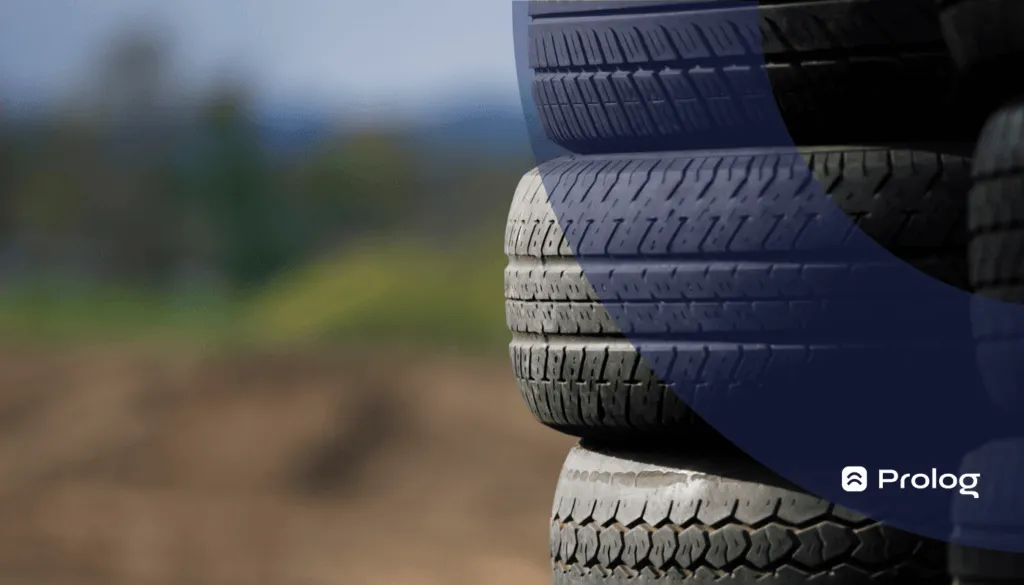
How many grooves should a tire have?
 Luiz Felipe 4 min read
Many factors influence a tire's road performance, such as the type of material used in the tire, the tread pattern and air pressure. Another important factor is tire grooves.
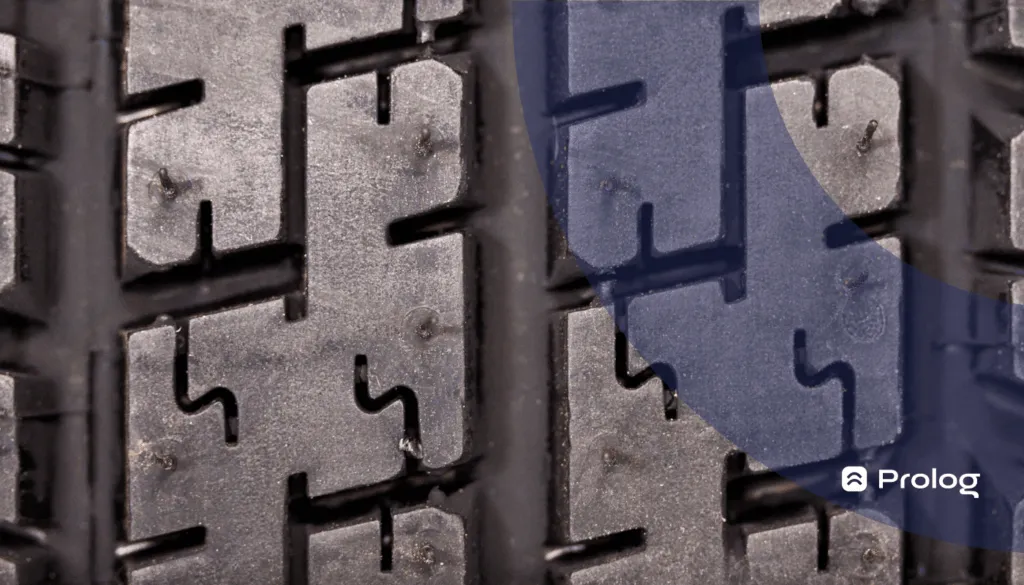
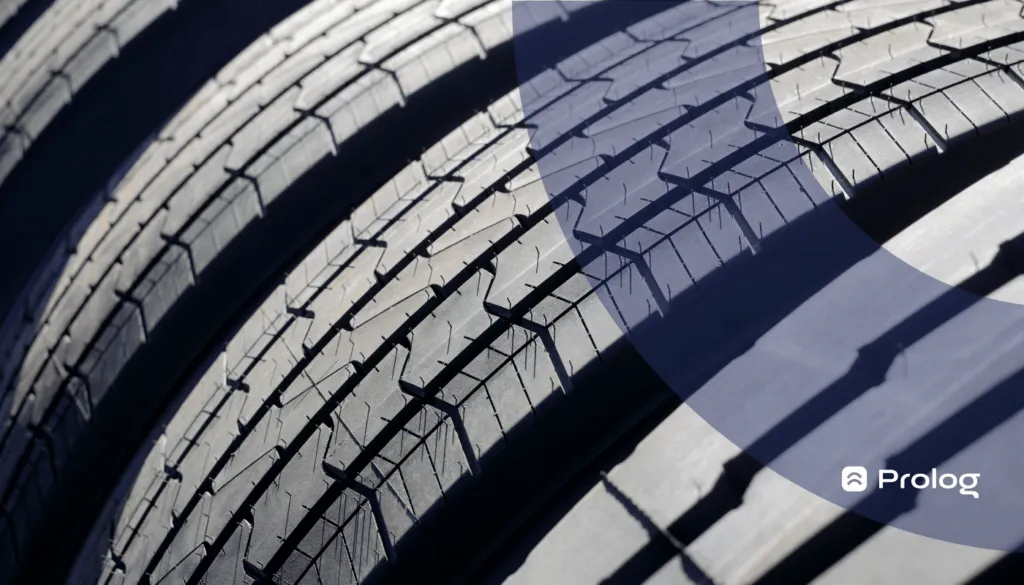
These channels, known as grooves, are in the tread and help the tire grip the road. They also drain water, an essential function for reducing the risk of aquaplaning when the vehicle travels on wet surfaces.
Want to see this in your fleet? Talk to a Prolog specialist
Designs can vary considerably. Some tires have continuous channels along the tread; others combine sections, blocks and lateral grooves according to the intended application. There are also models with standardized designs intended for highways and urban roads.
The key point is that the number can vary by tire model, and you need to understand the subject better to identify a suitable configuration for your fleet's tires, right?
Let's get started:
How many grooves should a tire have?
There is no exact answer to how many grooves a tire should have. Groove count is part of the tread design and varies with the model's size and intended use.
The more useful question is therefore not about finding a fixed number, but understanding whether the chosen tire suits the fleet's application, route type, surface conditions and the performance expected of that vehicle.
You need to take care with groove count when buying a tire, because the choice can affect vehicle efficiency and fleet productivity. In general, more grooves may help drainage and grip, but this should not be treated as an absolute rule.
More grooves do not automatically generate efficiency for your operation. At the same time, you need to recognize that every tire has a function that must be respected.
Instead of assuming a design is better simply because it has more or fewer grooves, evaluate the manufacturer's recommendation, tire size and operation type. Directional tires, for example, are usually recognized by the design that directs water drainage, rather than an isolated channel count.
This is because groove function depends on the overall tread design. In certain weather and surface conditions, the demand for grip and drainage can differ from that in an urban operation, a long trip or on a dirt road.
Rafael Astolfi of Continental Pneus shows that a single tire model, the PowerContact 2, has some variations:
- Three grooves in sizes 165, 175 and 185;
- Three or four grooves in size 195;
- Four grooves in size 205.
Besides “how many grooves should a tire have”, a very common question we hear about groove count is:
Why do some tires have three grooves and others four?
As you may have noticed above, the same model can vary by size. This happens because the available tread space changes and because the tire's engineering needs to meet the manufacturer's intended use.
Want to see this in your fleet? Talk to a Prolog specialist
What is the function of tire grooves?
The main function of grooves is to drain water to prevent aquaplaning. As these channels are located in the tread, they help direct water out of the tire's contact area with the road.
Grooves also help the tire grip the road. They should therefore not be evaluated only by count: depth, distribution, block design and tire application also need to be considered.
How do you choose how many grooves fleet tires should have?
Some drivers feel safer with more grooves, believing this provides more stability and road grip. Others think fewer grooves make the vehicle easier to handle.
Sometimes it is a preference for the comfort the tire provides. However, fleet tire control is essential. Through data collection and analysis, the manager is responsible for identifying the best-performing assets, keeping track of CPK and comparing performance by operation type — long trips, urban distribution, dirt roads and so on.
How many grooves should a tire have to avoid excessive wear?
In fact, groove count does not influence wear as much as tread depth. To fulfill their role, grooves therefore need to remain within an acceptable depth limit.
Otherwise, they will start losing their effectiveness. Remaining tread depth is also a compliance matter: Brazilian law considers depths below 1.6 mm noncompliant, and this condition is identified visually by wear indicators.
Driving down to the minimum limit can compromise the tire refurbishment strategy. In fleet management, keeping track of tread depth helps determine the right time for retreading or replacement, keeping CPK under control and avoiding premature tire loss.
Ideally, each company should define its removal criteria based on operation type, wear history, cost per kilometer and actual conditions of use. This oversight should also consider pressure, tread, rotation and alignment as recurring maintenance points.
How about continuing to learn about caring for fleet tires through our YouTube channel? Watch this video about excessive tire wear:
(video in Portuguese)
Want to see this in your fleet? Talk to a Prolog specialist
Frequently asked questions
How many grooves should a tire have?
Why do some tires have three grooves and others four?
Do more grooves mean a better tire?
What are tire grooves for?
Does the number of grooves affect tire wear?
How do you choose the number of grooves for fleet tires?
// newsletter
Fleet management content, straight to your inbox
Articles on tires, maintenance and fleet operations. No spam.