Parts and supplies management: how to do it in your fleet
 Jade Zart 3 min read

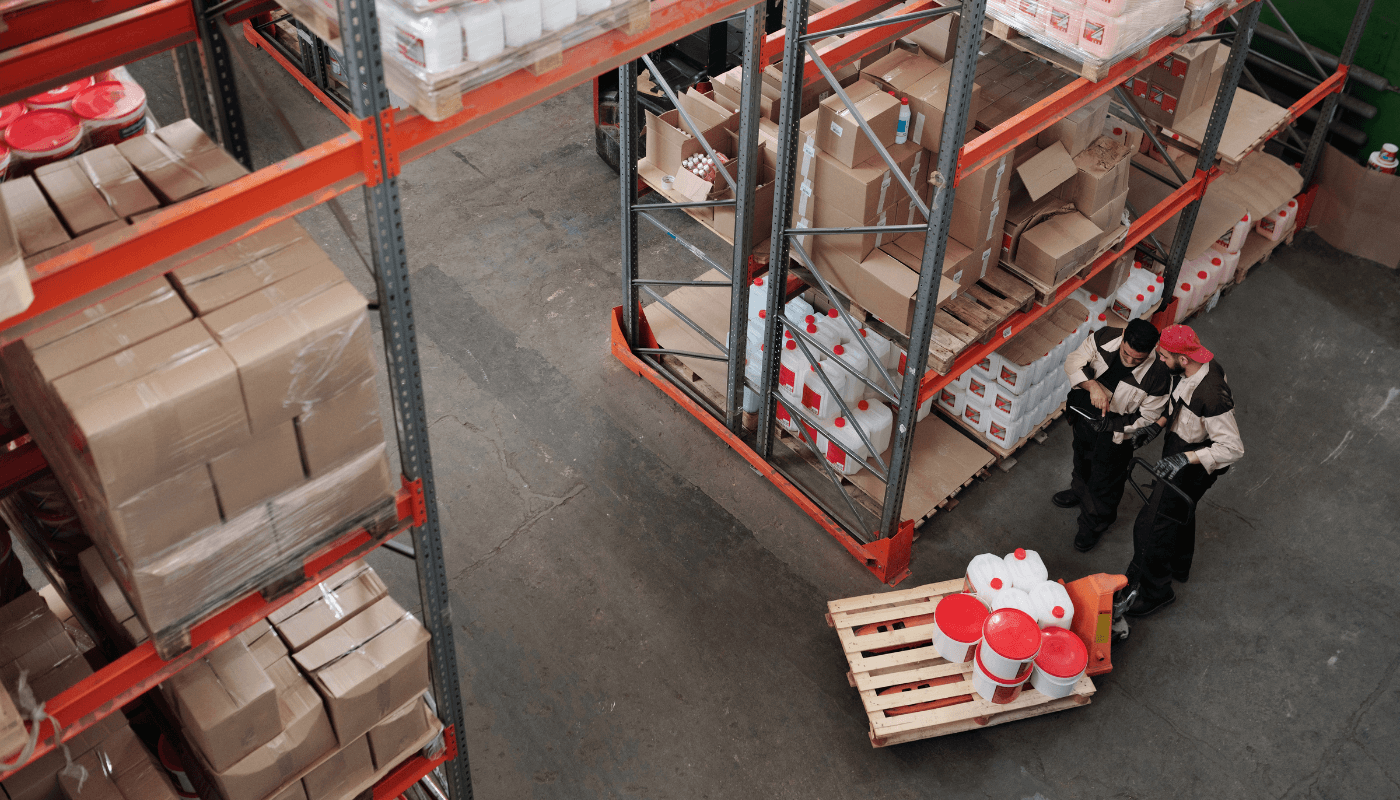
Parts and supplies management ensures that all parts needed for vehicle maintenance and repair are available when required, avoiding unexpected delays and service interruptions.
Although it improves fleet operational efficiency, managing these parts can be challenging, especially for large, diverse fleets.
After all, it involves monitoring inventory, forecasting demand and maintaining a balance between parts availability and cost control.
Learn more:
- What are maintenance supplies?
- What is fleet parts and supplies management?
- Why is parts and supplies management important?
- What does fleet parts and supplies management include?
- How can you manage the parts and supplies in your fleet inventory?
What are maintenance supplies?
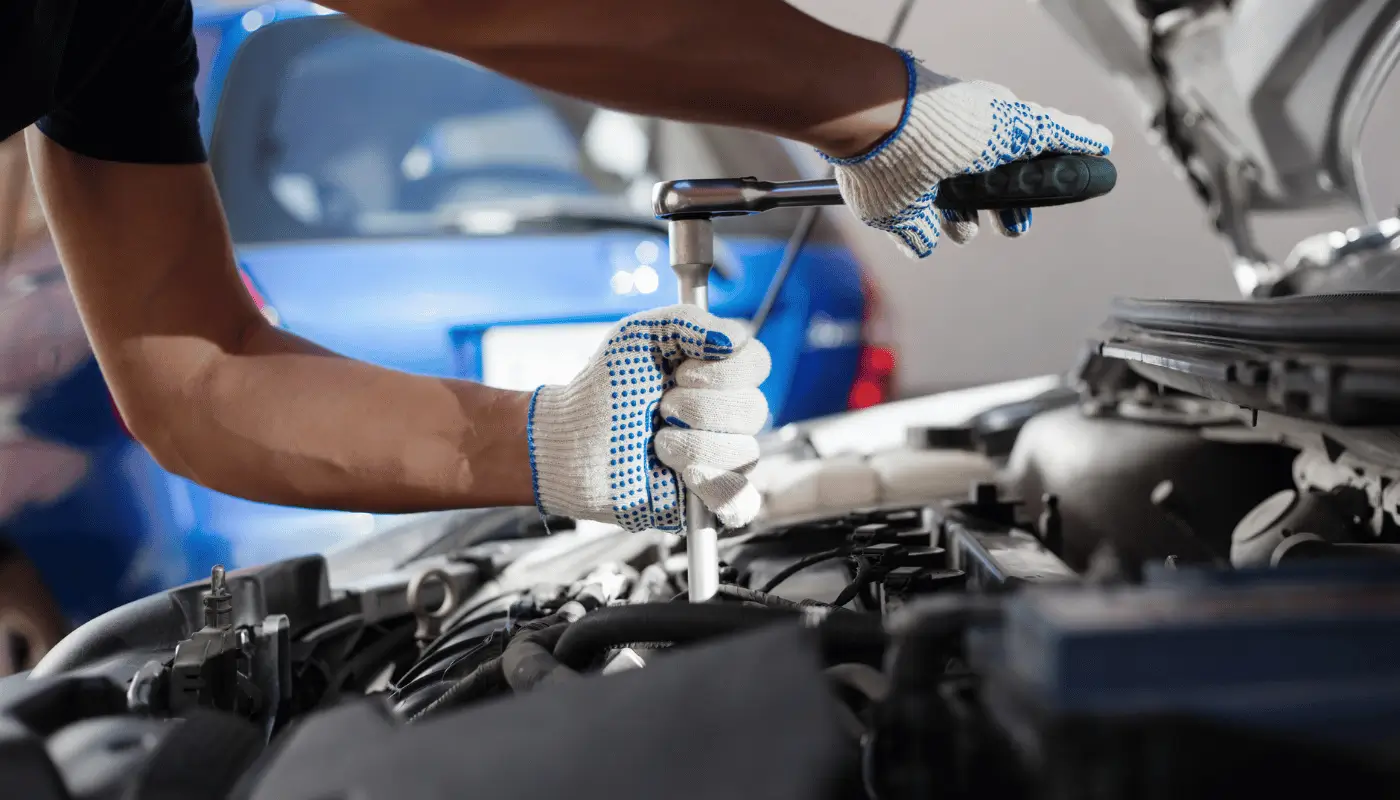
Maintenance supplies are all the materials, parts and components needed to carry out preventive maintenance and corrective maintenance on a vehicle fleet.
They can include items such as air and oil filters, brake pads, tires, engine parts, fluids such as oil and coolant, and even tools and equipment used in maintenance operations.
These supplies are essential to ensure that vehicles are always in ideal operating condition, minimizing downtime and maximizing fleet safety and efficiency.
What is fleet parts and supplies management?
Maintenance supplies management is a fleet function that organizes all the parts and supplies needed for maintenance services.
This part of the operation requires careful planning and strict inventory control to avoid excess or shortages, so that it can ensure the right items are available when maintenance needs arise.
It also involves understanding the technical specifications of each vehicle in the fleet and choosing supplies that meet those needs.
Why is parts and supplies management important?
The importance of parts and supplies management in a fleet is most apparent in how it helps avoid delays caused by missing parts needed for repairs or maintenance.
This is because such a situation can lead to costly downtime, delayed deliveries and, as a result, even negatively affect customer satisfaction.
In other words, a missing part can have serious consequences for how the operation runs and its quality.
Furthermore, good parts and supplies inventory management contributes to cost reduction by minimizing excess inventory and emergency purchases, which generally cost more.
It also enables better budget forecasting and planning, ensuring that resources are used as efficiently as possible.
What does fleet parts and supplies management include?
Fleet parts and supplies management encompasses a range of activities to ensure the availability and efficient use of the resources needed for vehicle maintenance and operation.
This includes identifying the parts and supplies needed, keeping track of inventory, forecasting future demand and building relationships with reliable suppliers.
It also involves implementing inventory control systems, which help keep track of item usage and identify when replenishment is needed.
In addition, it covers cost monitoring, negotiating prices and deadlines with suppliers, and implementing policies for efficient management of returns or replacements.
How can you manage the parts and supplies in your fleet inventory?
Establishing an efficient inventory system
It is essential to implement an inventory control method that offers accuracy and easy access to information.
This can include, for example, using inventory management software that can keep track of parts in inventory, alert you to low supply levels and help forecast future needs.
Monitoring inventory regularly
Continuous monitoring helps ensure that all necessary parts are available when needed, avoiding maintenance delays.
To do this, you need to check inventory regularly to update quantities and identify items that need replenishing.
Planning preventive maintenance
Planning maintenance in advance helps avoid unexpected delays and interruptions, because it helps identify wear patterns, making inventory forecasting easier.
This allows the maintenance team to always be ready with the right parts on hand, optimizing time and reducing the risk of unplanned vehicle downtime.
Analyzing data and trends
Use data and reports to analyze parts usage and wear trends. This helps forecast future supply needs and adjust purchasing and inventory policies according to the patterns identified.
Want to better understand how parts and supplies management affects fleet maintenance? Explore our maintenance management course (in Portuguese). Sign up now and start optimizing your operations!
Frequently asked questions
Fleet maintenance was delayed because a part was missing. What is the real cost?
How can I avoid missing parts when maintenance is due?
What should I look for in parts inventory control software?
Is parts and supplies management the same as inventory control?
My fleet has very different vehicle models. Does this change supplies management?
// newsletter
Fleet management content, straight to your inbox
Articles on tires, maintenance and fleet operations. No spam.