Passenger transport management: 6 challenges
 Jade Zart 5 min read
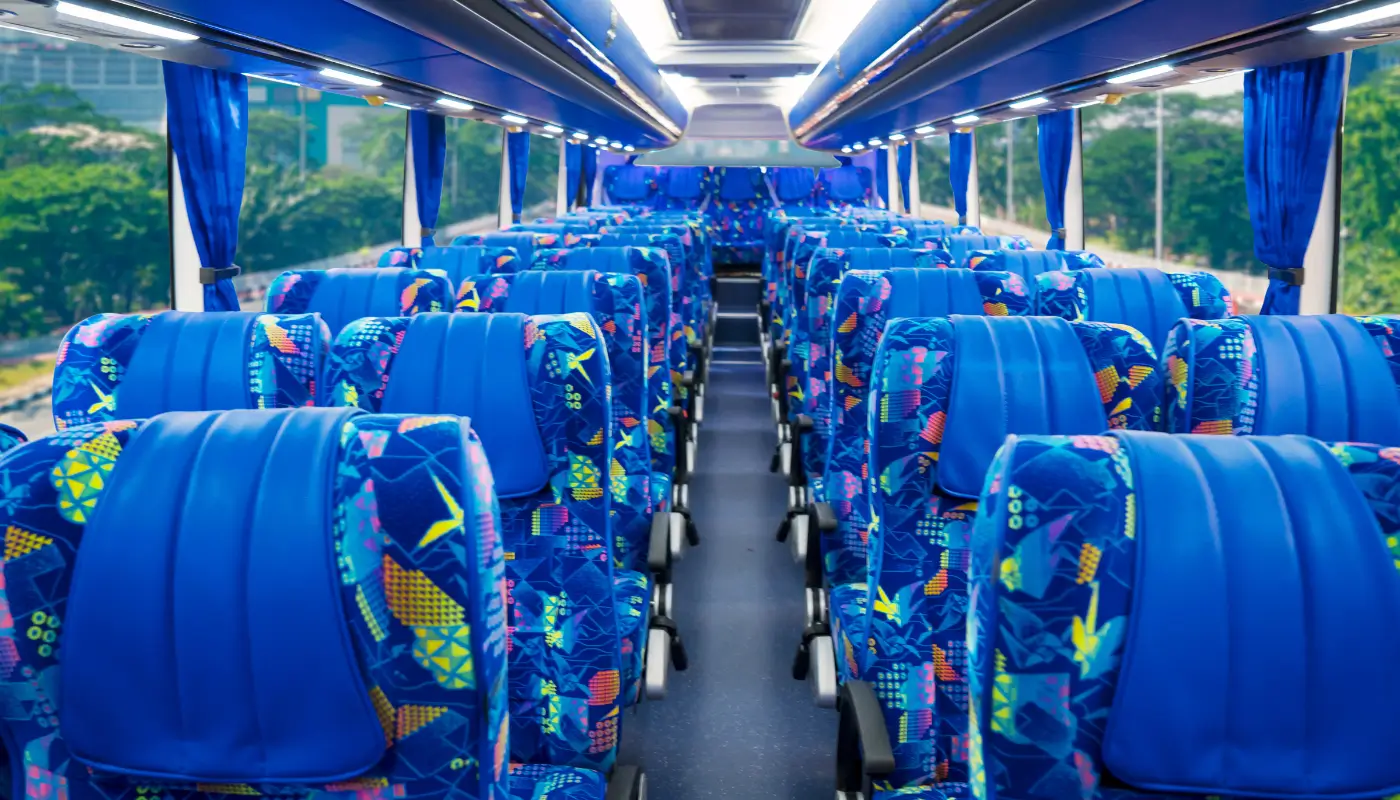
More than thinking about safety, savings and efficiency, passenger operations management needs to consider something fundamental and exclusive to the sector: an excellent experience for every passenger.
This requires managers to adopt innovative operational practices, ensuring that every aspect of the trip is planned and carried out with the utmost care.
For customer satisfaction to be guaranteed, and even to exceed customers' expectations, vehicles need to be fully functional, clean and free of issues along the route they run.
Read on:
- What does it take to manage passenger transport operations?
- What are the main challenges in passenger operations management?
- How to ensure more efficient passenger operations management?
- How can technology be used to improve the passenger experience and operations management?
What does it take to manage passenger transport operations?
Managing passenger transport operations requires a combination of planning, monitoring and adaptation to the constantly changing needs of this type of operation.
This can include matters related to the different areas of fleet management, such as vehicle maintenance, trip monitoring, transport reliability and even user satisfaction.
Evaluating the inclusion of technologies for these different areas can be an important step, bringing more agility and precision to the actions taken.
In addition, it is essential to invest in team training, ensuring that drivers and employees are qualified not only to drive the vehicles correctly and safely, but also to provide quality customer service.
Passenger operations management should also include strategies for environmental sustainability and accessibility, ensuring that the service meets the needs of all users equitably.
What are the main challenges in passenger operations management?
Some of the main challenges of passenger operations are:
- Vehicle maintenance and reliability: this includes managing the parts inventory, scheduling maintenance services and quickly resolving mechanical issues to avoid interruptions and ensure safety.
- Routing: covers planning efficient routes, taking into account congestion, roadworks and other events that affect routes and schedules.
- Safety in passenger transport: covers vehicle maintenance, management of risky behavior and prevention of accidents and incidents to prioritize passenger safety.
- Compliance with regulatory standards: includes compliance with safety, emissions and accessibility regulations essential to the operation.
- Cost reduction: here, the challenge lies in optimizing fuel use, reducing operating expenses and improving overall logistics to maximize operational efficiency.
- Customer satisfaction and experience: in this case, the challenge lies in ensuring a pleasant and reliable trip, focusing on passenger comfort, ease of access and quality of service.
How to ensure more efficient passenger operations management?
Passenger operations management that works correctly and minimizes issues ensures and improves passenger safety during transport.
To that end, some actions are fundamental in this management:
Carrying out maintenance management
Implementing a preventive maintenance program, based on regularly keeping track of the condition of the vehicles and carrying out inspections and repairs before failures occur, can prevent service interruptions and extend the useful life of the vehicles.
With that in mind, you can opt for a system to record and analyze maintenance data, making evidence-based decision-making easier.
Driver qualification
Continuous training programs covering everything from safe driving techniques to customer service can raise the standard of the service offered.
In addition, training in first aid and emergency management ensures that drivers are prepared to handle any situation, promoting safer transport for passengers.
Standardization and automation of fleet processes
This covers everything from the booking and ticket issuance process to passenger boarding and alighting. It also includes internal procedures, such as bus inspections, generating analysis reports and other activities.
That is because automation also provides more accurate data collection, making operational analysis and decision-making easier.
This way, you can ensure that every aspect of the operation is carried out according to high quality standards.
Inventory and tire control
Efficient control of parts and tire inventory is fundamental to avoid operational downtime and optimize costs.
Implementing inventory management systems that monitor usage, forecast future needs and optimize purchasing can reduce waste and ensure the availability of critical resources for fleet maintenance and operations.
Likewise, a system that controls the tires in use and in inventory helps plan purchases and disposal of these assets.
Managing drivers' schedules and working hours
Managing drivers' working hours is essential to prevent fatigue and maintain safety on the roads.
Implementing working hours management systems that monitor hours worked and rest periods and ensure compliance with labor legislation helps improve driver well-being and also reduces the risk of accidents related to falling asleep at the wheel.
Optimizing the routes used
Route optimization reduces trip time and minimizes the risk of running into congestion and accidents.
Using advanced GPS systems and route management software that run on telemetry can help identify the most efficient paths. This makes it possible to adapt in real time to changes in traffic and road conditions.
Using indicators and metrics relevant to passenger operations
These indicators, also known as KPIs, provide insight into various aspects of management, such as service punctuality, customer satisfaction, vehicle occupancy rate and fuel consumption efficiency.
In addition, safety-related metrics, such as the number of incidents per kilometer driven, are also crucial.
For example, a low customer satisfaction score can indicate the need to review customer service procedures, while an analysis of the occupancy rate can suggest adjustments to routes and schedules.
How can technology be used to improve the passenger experience and operations management?
Using technology solutions in passenger transport operations management involves, for example, management systems that can be used to monitor vehicle location in real time.
Apps that provide real-time information on schedules and vehicle location can also be used, allowing passengers to plan their trips and improving their trip experience.
The analysis of data collected from these platforms can be used to better understand passenger demand patterns, optimizing routes and schedules according to real needs while reducing operating costs.
In addition, technologies specific to fleet maintenance management help keep vehicles in ideal condition for use and avoid interruptions to operations.
Want more tips for managing your fleet? Download this complete, free guide to optimize your operational routine (in Portuguese).
Frequently asked questions
What are the main challenges for those who manage a passenger transport operation?
What indicators should be tracked in passenger transport?
How does maintenance reduce service interruptions?
What training should passenger transport drivers receive?
Why control parts and tire inventory?
How do drivers' working hours affect safety?
// newsletter
Fleet management content, straight to your inbox
Articles on tires, maintenance and fleet operations. No spam.