Route management: what it is and how to plan deliveries
 Jean Zart 3 min read
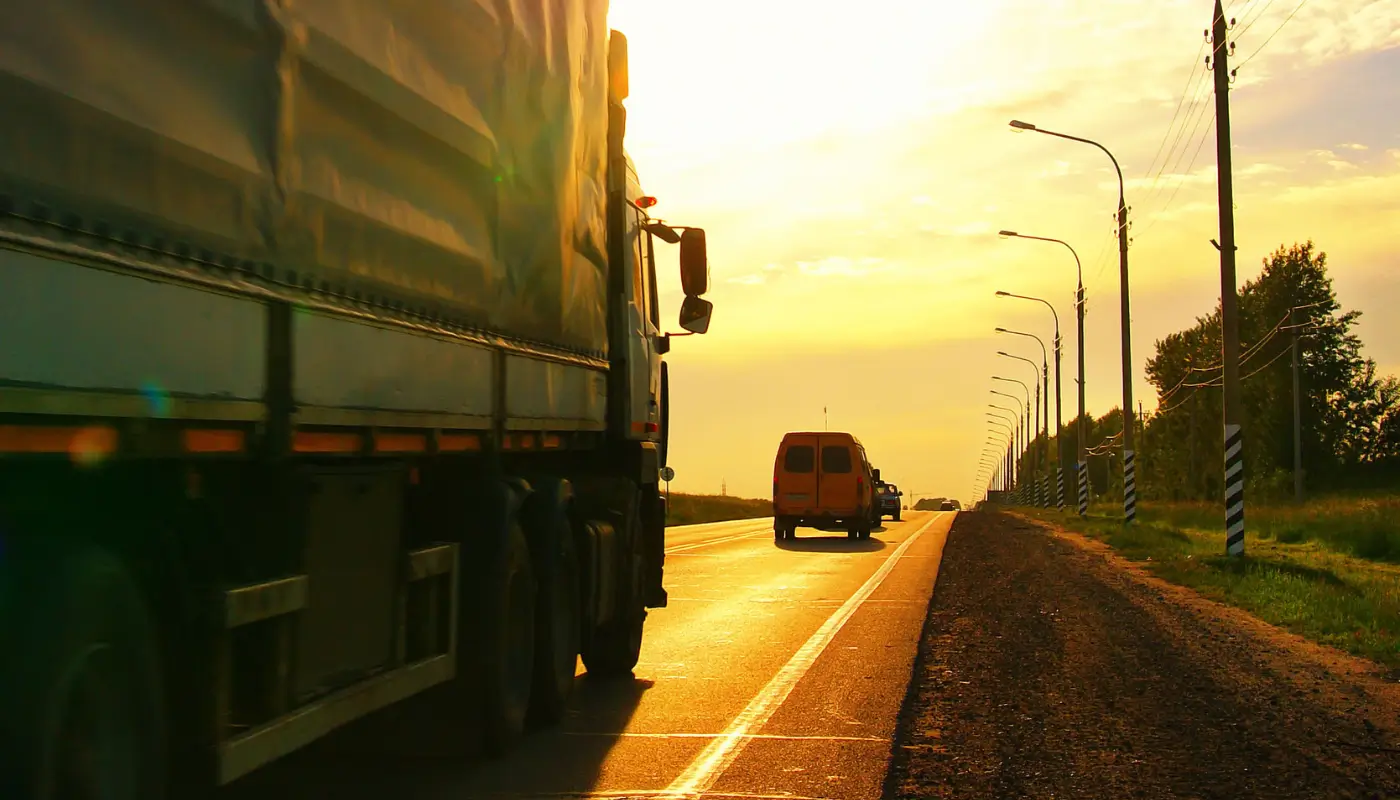
Route management in freight transport requires planning and analysis to ensure on-time deliveries, controlled costs and customer satisfaction, as well as integrating technology into routines.
It is more than simply drawing paths on a map. Planned routes need to align with fleet and driver availability, maximizing resource use without compromising operations.
If you have faced delays due to unexpected congestion or high costs from unplanned tolls, you know how efficient route management can transform operations.
See below:
- What is route management?
- What is the best route planning software?
- How does the route planning process work?
- How do you plan a route?
What is route management?
Route management is the process of planning, organizing and monitoring the routes vehicles travel to make deliveries or pickups.
Essentially, it goes far beyond plotting the shortest path on a map. Route management considers factors such as:
- Road conditions and tolls
- Rush hours and congestion
- Type of cargo transported
- Need to return without cargo (empty trip)
- Operating costs, such as fuel and vehicle wear
Efficient route management ensures each vehicle travels the shortest possible route while making all scheduled deliveries, avoiding congestion and minimizing costs.
What is the best route planning software?
Choosing route planning software is a strategic decision for any fleet manager. Before choosing a tool, it is important to assess how it can meet your operation's specific needs.
Some tools have basic features focused on initial route planning. They let you organize delivery points and calculate the most direct routes, considering factors such as distance and road conditions.
More advanced software goes beyond planning, integrating real-time monitoring and detailed analysis.
Some fundamental criteria to assess include the ability to integrate route planning with other systems, such as fleet management or warehouse management.
The solution's scalability is another aspect worth understanding. Tools that work well for a small fleet may not meet the demands of more complex operations.
Assess whether the system supports increased delivery volumes and offers flexibility to adapt routes in real time.
Another important point is data analysis. A good route planning system should let the manager keep track of metrics such as mileage traveled, delivery time and fuel consumption, generating insights that help continuously improve operations.
Finally, artificial intelligence technologies already exist that adjust routes automatically based on variables such as weather, traffic and logistics restrictions. Tools of this kind are an excellent option for those seeking innovation and agility.
How does the route planning process work?
The first step is to gather information about delivery points, cargo type, time restrictions and road conditions.
Based on the data collected, you or route planning systems analyze all possibilities, considering the different factors that affect the route.
This gives you suggestions for the most efficient route, detailing stops, times and mileage.
Later, during execution, you can monitor vehicles and make adjustments, such as route changes to avoid unexpected congestion.
After completing the route, data is analyzed to identify future improvements.
And route optimization goes beyond reducing distance traveled, seeking to minimize travel time, avoid dangerous or congested stretches and ensure delivery deadlines are met.
How do you plan a route?
Route planning begins with analyzing demands, such as destinations, delivery deadlines and cargo type. To do this, you should consider factors such as:
- Location and proximity of delivery points
- Delivery deadlines and customer operating hours
- Road conditions and any restrictions on heavy vehicles
- Costs associated with tolls and refueling.
Warehouse or distribution center location should also be considered, especially in operations with high delivery volumes.
Based on these factors, planning seeks to align routes with fleet capacity, ensuring each vehicle is used efficiently.
Planning should also be flexible to handle unexpected changes, such as pickup delays or route diversions. A well-planned operation maintains productivity even when unforeseen events occur.
Want to take your fleet management to another level? Download our free e-book on fleet management (in Portuguese)!
Frequently asked questions
What does route management consider beyond distance?
How do you choose route planning software?
How does the route planning process work in practice?
What should you consider when planning a route?
Does artificial intelligence already help with route planning?
// newsletter
Fleet management content, straight to your inbox
Articles on tires, maintenance and fleet operations. No spam.