Timing belt replacement: how many km between changes?
 Jean Zart 4 min read
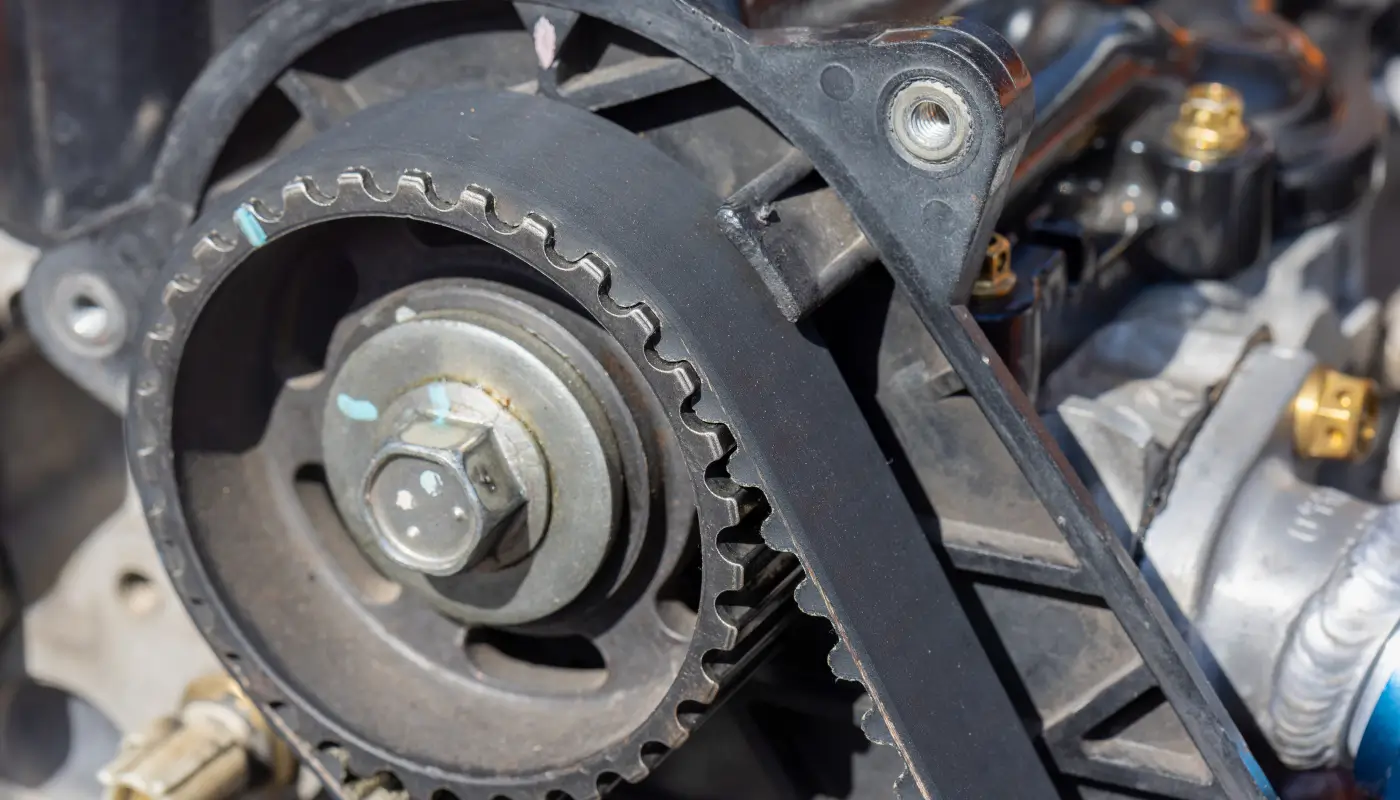
Keeping a fleet fully operational requires attention to preventive maintenance of essential vehicle components, and timing belt replacement is one of the most important tasks.
However, you need to know the precautions for replacing this part properly, following the manual, using the right tools and checking carefully before releasing the vehicle.
The timing belt is essential to good engine performance: it helps transfer power without slipping and helps maintain smooth operation throughout the part's useful life. As a result, it can cause serious damage if it is not replaced at the right time or if replacement is performed incorrectly.
See the best practices and recommendations below to ensure proper replacement and avoid future issues:
- What precautions should you take when replacing a fleet vehicle's timing belt?
- When should you replace the timing belt?
What precautions should you take when replacing a fleet vehicle's timing belt?
Timing belt replacement must be performed with technique and precision to avoid engine issues. See the precautions you should take during the process:
- Check the manufacturer's specifications
Before replacement, consult the vehicle manual. Each model has its own specifications for timing belt type, appropriate tools and the correct installation procedure. When using component kits, also check the kit instructions and suitability for the vehicle's make, model and year, because these kits may come with tensioners, idler pulleys and their own instructions.
- Inspect auxiliary components
During replacement, take the opportunity to check the condition of other associated components, such as pulleys, tensioners and bearings. If these parts are worn, they can compromise the new belt, reducing its useful life. In some systems, the water pump also works in conjunction with the timing belt; for this reason, it is worth checking the vehicle's procedure to confirm whether it should be assessed along with the assembly.
- Use appropriate tools
Timing belt installation requires specific tools to correctly align the engine marks and avoid misalignment. In dual-camshaft engines, for example, the camshafts may need to be locked at the timing marks during the service. Using inappropriate tools can cause uneven tension, timing errors and engine damage.
- Adjust tension correctly
Belt tension is a critical point. If it is too tight, it can wear components prematurely. On the other hand, if it is loose, it can cause slipping or even belt breakage. After assembling the system, tension needs to be checked again according to the procedure specified for the model before considering installation complete.
- Avoid reusing old belts
Never reuse a used belt, even if it appears to be in good condition. Even when you perform timing belt maintenance correctly, the material can become compromised, and the cost of a new belt is much lower than the damage caused by a mechanical failure.
- Run tests after installation
After replacing the belt, do not treat engine startup as the first check. Before starting, review the specific procedure, confirm mark alignment, check that locking tools have been removed where applicable and verify that tension and auxiliary components are correctly adjusted. Only then idle the engine and test the adjustments. Make sure the engine runs smoothly and without unusual noises; this behavior is a good final check, but does not replace the technical assembly check.
When should you replace the timing belt?
Knowing the right time to replace the timing belt is essential to avoid unexpected downtime and high repair costs.
The vehicle manual specifies the mileage or period of use at which replacement should take place. This interval generally ranges from 50,000 to 100,000 km or 3 to 5 years, depending on the model and operating conditions.
You also need to consider that vehicles operating in severe conditions, such as heavy traffic, uneven terrain or regions with high temperatures, may need belt replacement sooner. Heat in the engine compartment is one of the factors that justify extra attention to belt condition and replacement intervals.
3 signs the timing belt may be damaged
Also watch for signs such as unusual engine noises, difficulty starting or excessive vibration. These signs may indicate timing belt issues or issues with auxiliary components, but do not establish a diagnosis on their own: the assessment should consider maintenance history, correct part application and inspection of the assembly.
Keeping detailed fleet maintenance records is essential to keep track of the belt's life cycle and schedule replacement at the right time.
By following the specified precautions and intervals, you reduce emergency repair costs, increase vehicle safety and extend the engine's useful life.
To make it easier to manage all your fleet's preventive maintenance, download our free maintenance control spreadsheet now (in Portuguese) and optimize your operation!
Frequently asked questions
How often should the timing belt be replaced?
What signs indicate a timing belt issue?
Can I reuse a timing belt that looks fine?
What precautions does belt replacement require?
What should I do after installing the new belt?
// newsletter
Fleet management content, straight to your inbox
Articles on tires, maintenance and fleet operations. No spam.