Tire storage: lying flat or upright, and for how long
 Luiz Felipe 5 min read
What does it take to store tires properly? That is what we will show today, focusing on care before storage, the location chosen and the position of the tires.
To start, some reassurance: a fleet does not need an elaborate structure to avoid the most common inventory mistakes.
Basically, cleaning, complete drying, individual wrapping and correct tire positioning already take care of a good part of the "trick". But check out in detail everything you need to know about the subject below.
What is the correct way to store tires?
Store tires clean
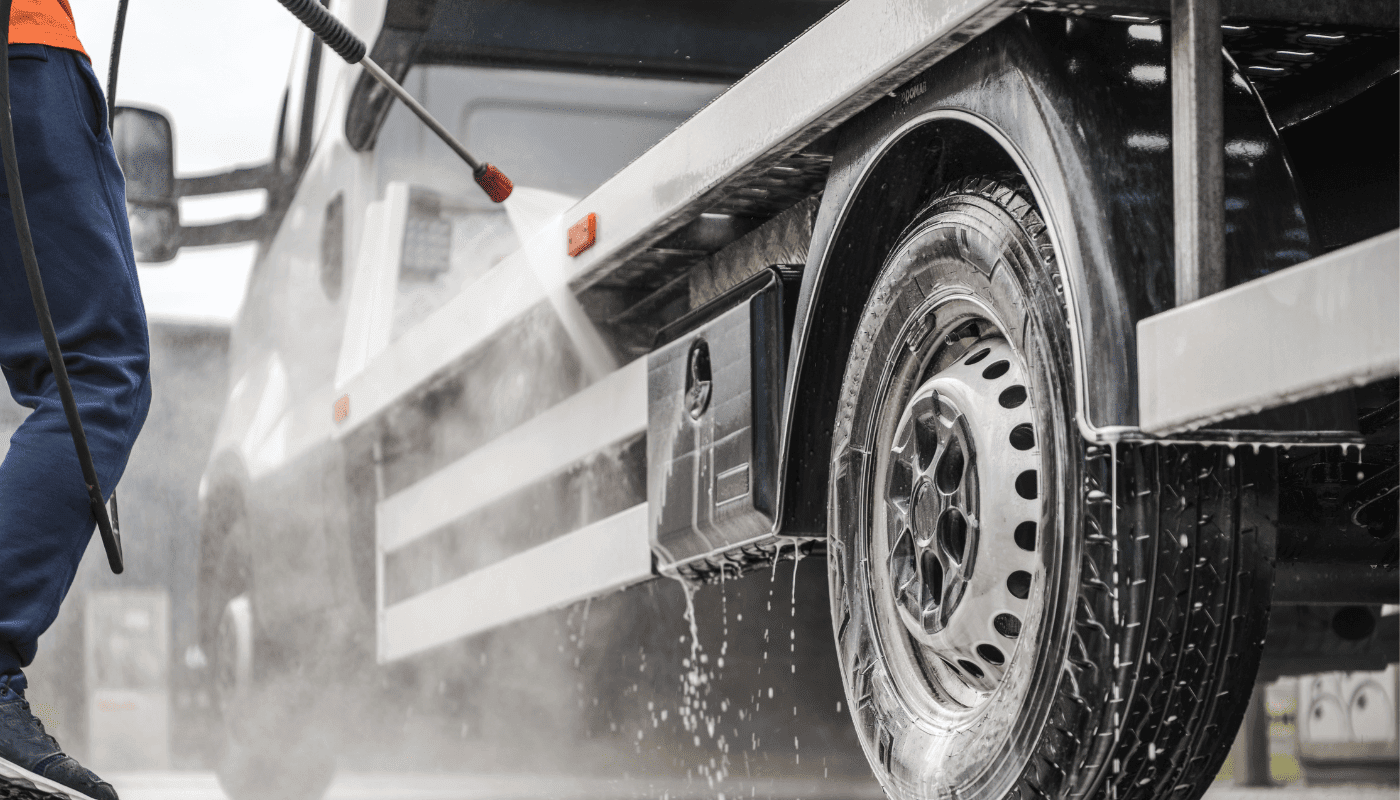
Tire cleaning should be part of the fleet routine, including before a new trip or before sending a tire to inventory. Debris and dust on tires can impair performance and cause unnecessary damage.
You need to wash them with soap and water, using a good-quality product suited to the tire's material, and let the tire dry completely before moving on to storage. Storing a tire that is still damp increases the risk of deterioration and also creates a poor environment for inventory control.
Store individually
To avoid dirt building up again and to reduce the rubber's exposure to the environment, tires should be wrapped and stored individually. If tires are exposed to the air for a long time, the rubber loses oils from the compound more easily and can dry out.
At the same time, if the tire is in direct contact with other tires or with inventory items, it can wear or be damaged. This is even more important in storerooms or warehouses with constant movement, picking of parts and frequent removal for maintenance.
Shelves and plastic bags
To store each tire, use a large plastic bag, preferably well sealed, to isolate it. You can, of course, invest in rubber covers or more professional packaging. However, individual plastic wrapping already helps with conservation, as long as the tire is clean and completely dry before it is sealed.
Another very important detail: tires need to be kept off the floor, because damp, dirty or poorly ventilated areas are unsuitable for this type of storage. The right approach is for the company to use a structure of pallets or shelves, keeping the place clean, dry, cool and well ventilated.
Want to see this in your fleet? Talk to a Prolog specialist
Change the tires' position from time to time
Tire position varies according to storage time and the condition of the tire. For a short period, of up to 4 weeks, they should be stored lying flat and stacked, with a maximum height of 1.50 m. For a longer period, the upright position is preferred.
Remember to keep them off the floor and to check the inventory from time to time. An extra tip is to rotate the tires once a month to change the point of contact with the surface and avoid localized wear, especially when the tire will sit idle for longer.
Avoid places exposed to the weather, near heat sources and chemical exposure
Whether sun or rain, weather exposure affects the useful life of tires. Just as keeping them off the floor helps preserve each item, protecting them from the weather, moisture and direct sunlight also plays that role.
Hot spots, such as ovens or machines that heat up during operation, should not be close to where the tires are kept. Heat can damage the tire. In addition, tires should also be kept away from aggressive chemical products, such as gasoline, oils and solvents, and they can make a fire considerably larger if one breaks out.
Better safe than sorry.
How long can they stay in inventory?
Tire storage itself should not be treated as permission to forget the tire in inventory. Instead of considering only a fixed "expiration date", the fleet needs to keep track of the tire's identification, the time it sits idle and, above all, the conditions in which it was stored.
In addition, it should assess whether it is still worth storing the tire or whether it should be sent for disposal. A clean, dry, wrapped tire kept in a cool, ventilated place has a very different storage condition from a tire left out in the weather, wet, dirty or near heat and chemical products.
When the operation adopts a review routine, it also becomes easier to decide whether the tire should go back on the road, remain in storage or leave the inventory. If the company has the practice of moving tires periodically, the care needs to take into account the condition of the tire, whether it is mounted or unmounted and whether there is a risk of deformation from resting on the same point for too long.
Why is proper tire storage important?
There are two main concerns when storing tires in inventory: damage to the tire and the breeding of the dengue mosquito.
Storing a wet tire, for example, can contribute to the second factor. Meanwhile, forgetting to reorganize and check stored tires can result in tires that are worn, deformed or not in adequate condition to return to the operation.
Caring for tires when they are in use is our main focus, but keeping them in good condition in storage is also essential. A clean, dry, cool, ventilated inventory away from sun, moisture, heat and chemical products reduces losses and helps the fleet make better decisions about each tire.
Learn more about tire management in the fleet by downloading our free e-book (in Portuguese).
Frequently asked questions
Do I need to buy special packaging to store tires?
How long can a tire stay in storage?
Should a stored tire lie flat or stand upright?
What happens if I store a tire dirty or wet?
Why keep tires away from heat sources?
// newsletter
Fleet management content, straight to your inbox
Articles on tires, maintenance and fleet operations. No spam.