
What is vehicle wheel alignment for?
 Luiz Felipe 4 min read
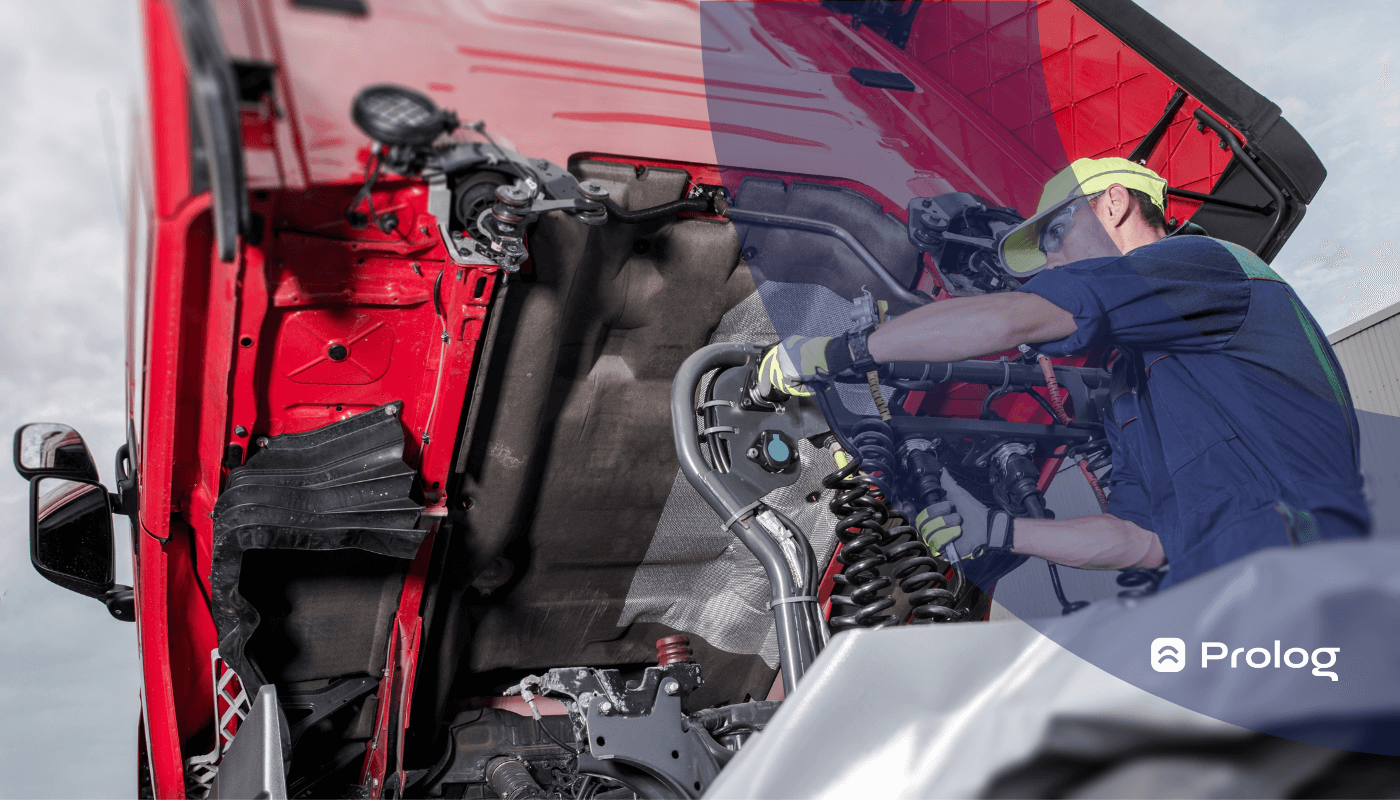
Heavy vehicle alignment helps maintain the correct wheel positioning and should be included in the fleet's preventive maintenance, contributing to vehicle and driver safety.
When you notice abnormal tire wear while driving a truck on a flat road, or feel it pulling to the right or left, it means the vehicle needs an alignment assessment.
In other words, it is time to take it in for a check.
Best of all, the process is usually quick, simple and can be performed at a workshop specializing in truck maintenance.
To keep wheel angles adjusted to the manufacturer's specifications and learn about alignment's importance and benefits, you need to start by knowing:
What is vehicle alignment?
Alignment is a mechanical adjustment that sets wheel angles according to the manufacturer's specifications. In practice, it helps the truck travel in a straight line without “pulling” to the sides of the road.
Although many people talk about “aligning the wheels,” the procedure involves adjusting the suspension system and should be assessed and performed by professional mechanics with some frequency, especially when suspension geometry changes or there are signs of misalignment.
What is vehicle alignment for?
Its primary function is to correct toe-in and toe-out issues.
“What is that?” you ask?
Toe-in is when the front wheels point inward. With toe-out, they point outward. This issue is one of the causes of the feeling that the steering wheel is pulling to the sides.
Another point checked during alignment is caster, the tilt of the wheel's central pin, which influences steering return and stability. When it is not correctly adjusted, it can make it difficult to keep the truck in a straight line.
Finally, alignment inspection also helps identify changes in camber, the vertical tilt of the wheel. The fault appears when the top of the wheel turns inward and the bottom outward (or the other way around).
The consequences of camber outside specifications are directly related to tire integrity, as tires can show uneven wear and rubber deformation. However, it is worth remembering that camber has particular settings for each truck, and its maintenance is more relevant after impacts, accidents or suspension work.
Why is it important to keep up with maintenance and perform vehicle alignment?
Increase safety
Vehicle alignment preserves the standard specified by the manufacturer, preventing steering deviations and helping maintain greater control while driving.
It is also related to steering response and vehicle stability, important points on roads, especially in dangerous situations.
Reduce fuel consumption
When a truck is out of alignment, tires stop rolling smoothly and increase rolling resistance. As a result, the engine needs to work harder to move the vehicle, which can increase fuel spending.
When alignment is correct, resistance caused by misalignment decreases, favoring a more efficient operation.
Preserve tires
When tires run out of alignment, their friction against the ground increases because they can drag in the direction opposite their natural rolling motion.
Another fault that arises is uneven tread wear, which accelerates scrapping of the rubber (tire disposal). With correct alignment, this uneven wear tends to be prevented, helping extend tire useful life.
Avoid excessive stress on parts
Alignment, when performed according to the manufacturer's recommendations, prevents unnecessary stress related to steering, suspension and tire contact with the ground.
It also helps reduce vibrations and dragging that can accelerate wear on the running gear. If symptoms such as shaking, pulling to one side or very uneven wear occur, a check should investigate alignment and other components before the issue progresses.
Improve handling
In general, a truck with correct alignment:
- Does not need as much service related to uneven tire wear;
- Tends to have fewer steering deviations caused by misalignment;
- Requires less constant steering correction by the driver;
- Reduces shaking and helps maintain stability on roads.
However, to have all these benefits and avoid the inconvenience of a misaligned vehicle, you need to perform preventive maintenance. So, learn:
How do you set up and follow a maintenance schedule?
To care for an entire fleet, it is fundamental to have maintenance management responsible for keeping track of trucks and keeping them in good condition, ensuring the benefits of savings, safety and extended useful life already discussed.
Inspections can be digital or manual; the important thing is to have a list of all items that need to be checked.
It is essential to have more than one type of check, such as daily, weekly and every two weeks, each with items separated according to their monitoring relevance.
In digital fleet control, the system allows you to create customized questionnaires, organize schedules and open maintenance service requests according to data recorded by a person during the inspection.
All this directly from an intuitive app that makes all processes much faster.
But if you prefer manual control, you can create a spreadsheet with:
- Vehicle registration;
- A maintenance schedule with items to be checked and predetermined dates;
- Fuel consumption control;
- Tire management.
Or better yet, you can download our Fleet Management Kit for free (in Portuguese) and have a ready-to-use resource at hand.
It contains daily and complete checklist templates, a tire control spreadsheet and an e-book to enrich your knowledge as a manager. Download it now. (in Portuguese)
Frequently asked questions
What is vehicle alignment?
What issues does alignment prevent?
What signs indicate that a vehicle needs alignment?
How does alignment help save fuel?
// newsletter
Fleet management content, straight to your inbox
Articles on tires, maintenance and fleet operations. No spam.
Read also
Automatic truck: signs of transmission failure
See the signs of automatic transmission failure in trucks, fluid care tips and when to take the truck to the shop for a specialized diagnosis.
Image: Ford Caminhões
 Jean Zart
 Fleet maintenance management
 Fleet maintenance management
