
Tire wear: 8 types, causes and how to prevent it
 Diego Paludo 8 min read

Tire wear is one of the most common, and also most dangerous, issues in fleet management. When it is not identified and addressed in time, it shortens the tire's useful life, increases fuel consumption, compromises safety and generates unnecessary costs.
The first signs of wear are often linked to factors such as incorrect pressure, misalignment or even more serious mechanical failures. The issue is that it is not always clear how to identify the type of wear and what to do in each situation.
In this article, you will find:
- The 8 types of tire wear
- How to calculate tire wear?
- How to analyze truck tire wear?
- 4 tips to prevent tire wear
Keep reading and learn how to turn tire wear into a warning sign, not yet another source of losses.
Want to see this in your fleet? Talk to a Prolog specialist
The 8 types of tire wear
Identifying that a tire is worn is important, but it is not enough. To act strategically and prevent the problem from happening again, you need to understand what type of wear it is and, above all, what the root cause behind it is.
Each wear pattern carries specific signs about what is happening with that asset. It could be a calibration failure, misalignment, excess load or even more aggressive driving by the driver.
Knowing how to identify these signs is the first step to planning preventive actions and avoiding bigger losses in fleet tire control, such as premature tire loss, unscheduled downtime and higher fuel consumption.
Below, you will find the 8 most common types of tire wear and how to act in each case.
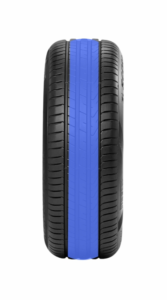
Center wear
When a tire shows center wear, it means the tread is more worn in the middle than at the edges and that, most likely**, the tire has been running at a pressure above the ideal.**
This overinflation causes only the central part of the tire to make contact with the ground, speeding up wear in that area and compromising the vehicle's grip.
Besides shortening the tire's useful life, high pressure also increases the risk of blowouts, especially on hot days.
To prevent this type of wear, it is essential to review the fleet's calibration process, make sure a tire control system is in use, use reliable equipment and train drivers and the maintenance team on the importance of always calibrating with cold tires, following the manufacturer's recommendations.
One-sided wear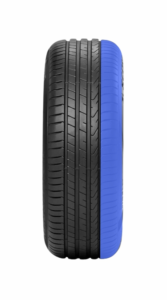
One-sided wear happens when only one side of the tread shows pronounced wear. This usually indicates wheel alignment issues or failures in the vehicle's suspension.
This type of tire wear can also be linked to incorrect load distribution, directly affecting the vehicle's stability and handling.
To avoid this scenario, it pays to include alignment and suspension inspections in the fleet's routine, as well as to keep an eye on the weight being carried and how it is distributed.
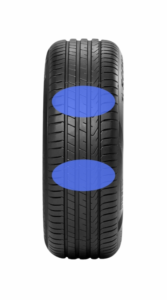
Localized wear
Localized wear happens when a single spot on the tire shows visible signs of wear, usually caused by wheel lockups or harsh braking. This is common in emergency situations, but when it happens frequently, it speeds up the tire's disposal.
In this case, the ideal is to review the brake system and coach drivers on braking techniques that are safer and more progressive. Besides preventing a worn tire ahead of time, this practice also contributes to the safety of the operation.
Irregular wear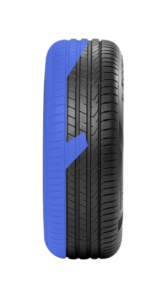
Among the types of tire wear, irregular wear is one of the most common in fleets. It appears as a non-uniform pattern on the tread, with worn areas next to areas that are still intact, and it can be caused by lack of rotation, a poorly adjusted suspension or even inconsistent calibration between tires on the same axle.
This irregular tire wear compromises traction, reduces vehicle control and can directly affect fuel consumption. That is why it pays to give extra attention to rotation and keep a suspension inspection schedule.
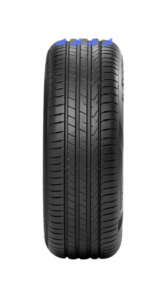 Flaking wear
A flaking tire looks like it has loose "patches" in the rubber, as if pieces were peeling off the surface. This happens when the tire is used in conditions more severe than it was designed for, such as dirt roads, gravel areas or construction sites.
To prevent this type of tire wear, use tires suited to the type of terrain and operation. Medium- and low-severity tires, for example, are not ideal for rough or unpaved roads and construction zones. For that, there are specific tires that are tougher and reinforced.
Sawtooth wear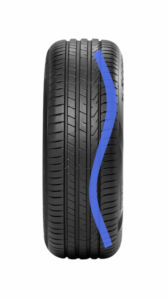
You know that annoying noise and vibration while driving? It could be a sawtooth-worn tire. This type of wear appears as small ripples or "teeth" on the edges of the tread blocks, usually caused by wheel misalignment or suspension geometry issues.
Besides the nuisance, sawtooth wear affects handling and increases the risk of accidents. The solution is to review the suspension geometry, align the wheels frequently and make sure all components are in good condition.
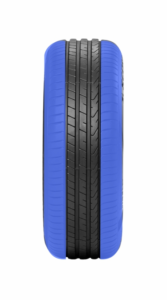 Shoulder wear
When both sides of the tread are more worn than the center, it is a sign of pressure below the ideal or constant overloading. This kind of worn tire usually occurs when calibration is not done correctly or when the vehicle runs with more weight than the tires can bear.
Besides increasing friction with the ground, this wear causes overheating and can lead to deformation or even blowouts. To prevent it, it is essential to adopt a calibration routine with cold tires and keep load control well matched to the capacity of the tires in use.
Tire wear from sporty driving
Among the types of tire wear, one of the most overlooked is wear caused by aggressive driving, also called sporty driving. Hard acceleration, harsh braking and high-speed cornering cause fast, irregular tread wear, drastically reducing the tire's useful life.
Besides the direct impact on fleet costs, this behavior increases the risk of loss of grip, excessive heating and even accidents.
If this wear pattern keeps showing up, it is worth reviewing the telemetry data and reinforcing driver training. A more controlled driving style makes all the difference and prevents a tire from wearing out ahead of time.
How to calculate tire wear?
More than identifying a worn tire, it is essential to know how much this wear represents in reais (R$, the Brazilian currency). After all, every millimeter lost has a cost, and understanding this helps you make more strategic decisions, such as the ideal moment to remove the tire and send it for retreading.
The calculation is simple and practical:
(New tire value – Casing value) ÷ Amount of usable rubber
Here is an example:
- New tire value: R$ 2,500.00
- Estimated casing value (25% of the value): R$ 625.00
- Usable rubber: 14 mm (on average)
Cost per millimeter = (R$ 2,500 – R$ 625) ÷ 14 mm = R$ 133.92.
In other words, each millimeter of rubber lost costs R$ 133.92. Now imagine losing 3 mm too early because of incorrect calibration or out-of-spec alignment. That is more than R$ 400.00 wasted per tire!
This kind of calculation gives you a better understanding of the impact of tire wear on your operation and brings more clarity when scheduling replacements, retreading and preventive actions.
How to analyze truck tire wear?
Analyzing irregular tire wear is one of the most important practices for keeping the fleet safe and efficient. And it should go beyond a quick look at the grooves. Here is what needs to be assessed:
1. Tread depth
Use an electronic tread probe to measure accurately. In Brazil, the law requires a minimum of 1.6 mm, but the ideal is to schedule the replacement before that, taking into account the cost per millimeter, as shown in the calculation above.
2. Type of wear
Identifying whether it is center wear, sawtooth, shoulder or another type (see the 8 most common types above) already points to the likely cause of the problem and prevents it from recurring in other tires.
3. Affected side and position in the fleet
A tire worn on the inside may indicate misalignment, while a flaking tire may suggest improper use for the type of route. Understanding which position the tire was in (drive, steer or free-rolling) helps cross-check the data.
4. Maintenance and calibration history
Compare the wear with the history of rotations, calibrations and maintenance. A sawtooth-worn tire, for example, is usually linked to a lack of rotation or chronic misalignment.
The more complete your analysis, the easier it will be to make fast, cost-effective and safe decisions. That is why relying on technology, such as sensors, an electronic checklist and useful life history, makes all the difference.
4 tips to prevent tire wear
Preventing tire wear takes routine, discipline and information. But with a few simple precautions, it is already possible to significantly increase the useful life of the fleet's tires.
Here are the main best practices:
1. Calibrate tires frequently and correctly
Incorrect calibration is one of the biggest causes of center or shoulder wear. Set up a routine, use properly checked equipment and instruct drivers not to neglect this step.
2. Perform scheduled rotations
Running too long with the tires always in the same position contributes to irregular tire wear. Rotate tires following the manufacturer's manual and the axle type (steer, drive, etc.).
3. Carry out periodic inspections
Don't wait for the tire to be completely compromised before acting. Visual checks, tread depth inspection and wear analysis should be done frequently.
4. Train your drivers
How the vehicle is driven makes all the difference. Harsh braking, hard acceleration and high-speed cornering cause tire wear from sporty driving, reducing durability and increasing risks on the road.
Now that you know the main types of wear and how to prevent them, it is time to turn this into a routine. To help you keep tabs, stay organized and make more accurate decisions, download the free tire control spreadsheet (in Portuguese) from Prolog.
Want to see this in your fleet? Talk to a Prolog specialist
Frequently asked questions
What are the 8 types of tire wear?
What does wear in the center of the tire mean?
How do you calculate the cost of tire wear?
How do you analyze truck tire wear?
How can you prevent tire wear in a fleet?
// newsletter
Fleet management content, straight to your inbox
Articles on tires, maintenance and fleet operations. No spam.


