New tires on the front or rear of the truck?
 Jean Zart 5 min read
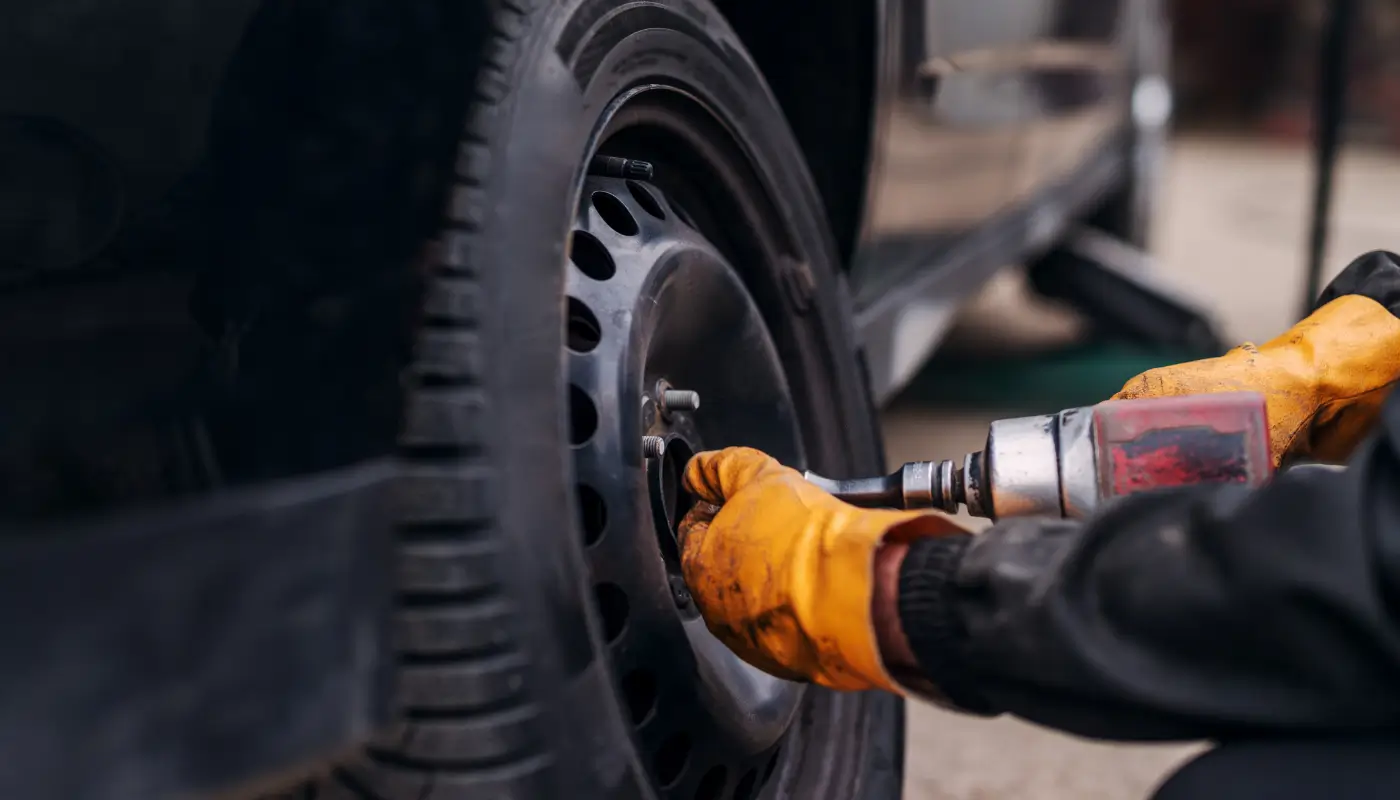
Should new tires go on the front or the rear? This is a decision that can affect vehicle safety and performance.
Although many fleet managers first think of installing new tires on the front, where steering and a significant part of braking are concentrated, the safer practice is usually to place new tires on the rear.
This is because the rear tires have a great influence on the vehicle's stability, especially in curves and on wet roads.
To understand it even better, keep reading:
- New tires on the front or rear?
- What about remold tires: front or rear?
- Where do tires wear more: front or rear?
- What are the signs that tires need to be replaced?
New tires on the front or rear?
(Video in Portuguese.)
So, should new tires go on the front or the rear?
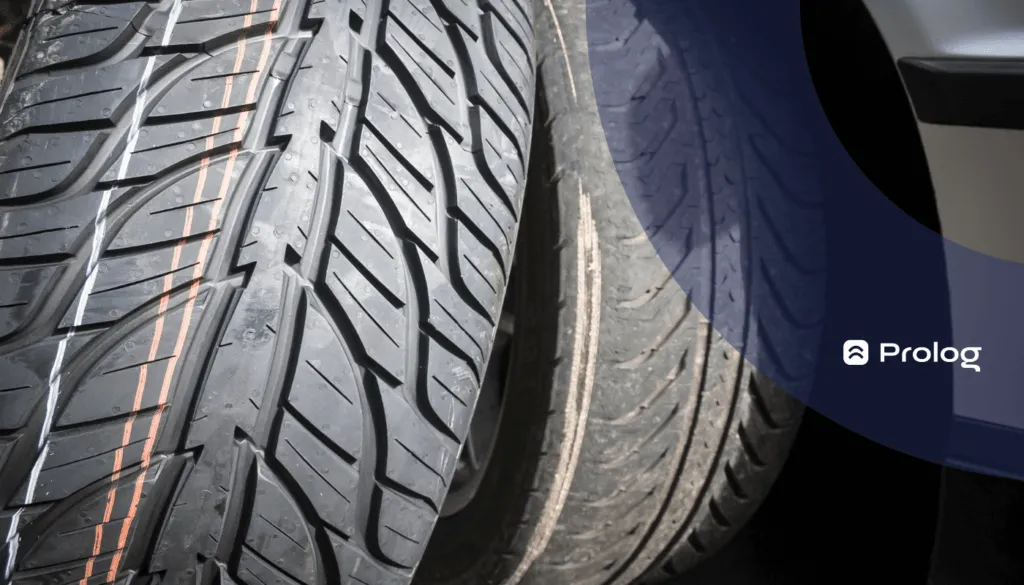
You can put new tires on the front when the vehicle has the same tire size and the same fitment on the front and rear axles, but, in general, it is preferable to use new tires on the rear for safety reasons.
Let me explain: when you put new tires on the front of the truck, something many people end up doing, you are probably considering the vehicle's steering control and braking response.
However, it is the rear tires that help maintain control in critical situations, especially in adverse weather conditions, such as rain. In these cases, having rear tires with better grip improves the vehicle's response and reduces the risk of hydroplaning.
In addition, the rear tires play a large role in keeping the vehicle stable in curves, so they need good grip and must be in proper condition to reduce the chance of losing control.
What about remold tires: front or rear?
Remold tires are remanufactured tires and, although they can be an economical option, they may not offer the same level of performance and safety as new tires. That is why their use generally calls for an even more careful assessment.
Even so, if you use a remold tire in the fleet, the most cautious operational recommendation is to prioritize installing it on the rear axle when the application allows, instead of treating it as the first option for the front.
This is because, when they are in good condition, these tires can still offer enough grip to maintain safety, while the front concentrates important steering and braking demands.
But, on this subject, my main advice is to always assess the quality of remold tires before purchasing them for your operation and to check whether the application is suitable for the vehicle type and for the axle on which the tire will be used.
Where do tires wear more: front or rear?
Tire wear is one of the main issues faced by truck fleets, and the reasons can vary depending on the vehicle type, the drive type, the cargo carried and the conditions of use.
In front-wheel-drive vehicles, the front tires tend to wear faster. This happens because they take part in steering and traction and also bear significant effort during braking.
On the other hand, in rear-wheel-drive vehicles, the rear tires generally suffer more wear due to their greater responsibility for traction and, in many cases, for the load.
Four-wheel-drive vehicles, in turn, may show more balanced wear, but there may still be a slight predominance of wear on the front tires due to steering and braking.
Besides the vehicles' characteristics, we always recommend keeping track of and assessing aspects such as load distribution on the vehicles, respect for the load capacity of each vehicle and tire model, as well as the driver's behavior on the road.
How does the vehicle's weight distribution affect tire wear?
Vehicles with unbalanced weight distribution tend to overload certain axles, resulting in faster tire wear at those specific points.
For example, if most of the vehicle's weight is concentrated at the rear, the rear tires bear more pressure and, consequently, greater wear.
What are the signs that tires need to be replaced?
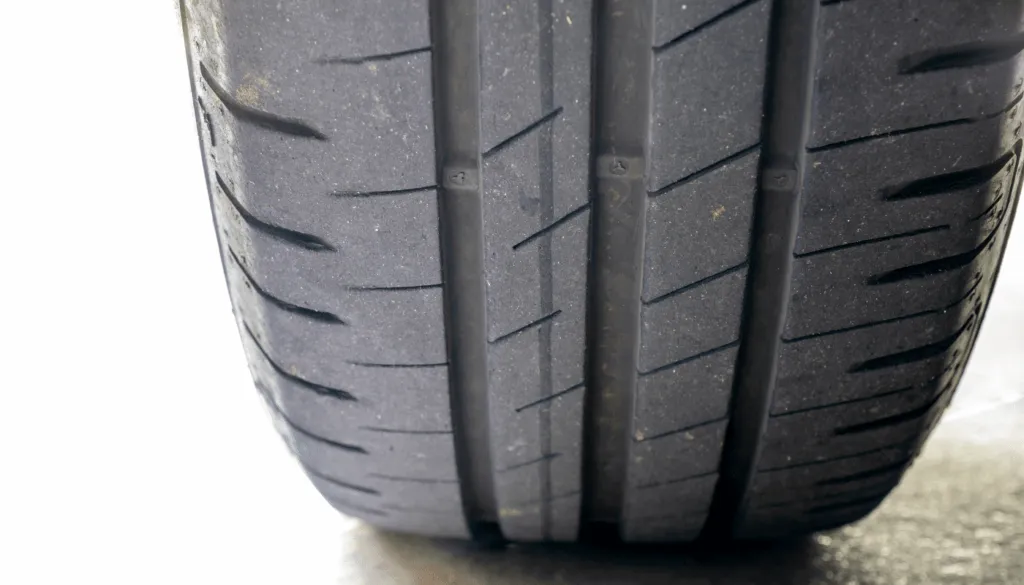
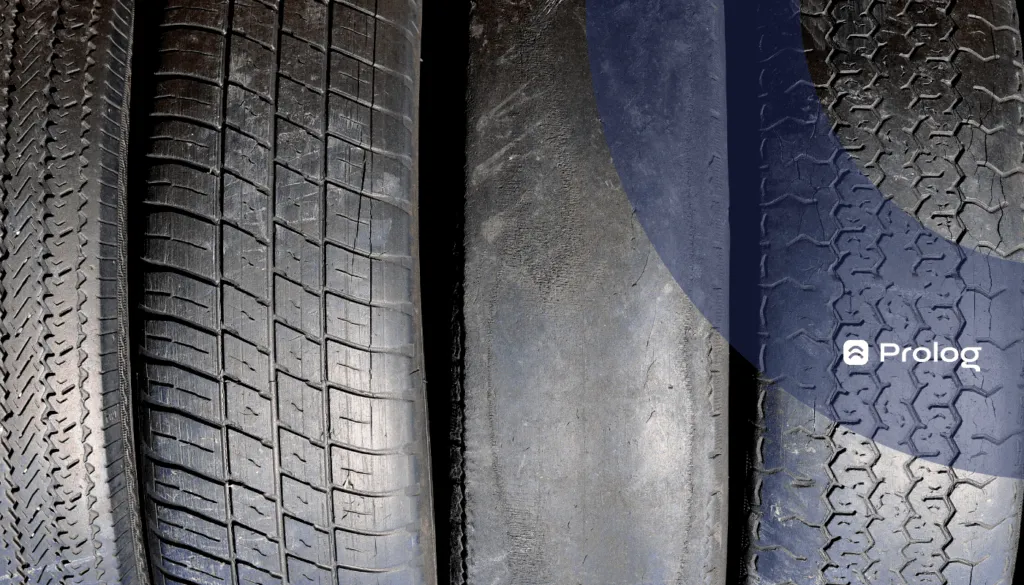
The main sign for knowing the right time to replace tires is the visual identification of damage on the outer rubber or on the tire casing, such as excessive or irregular wear, cracks, bulges and tears.
The tire's age also needs to be considered, because even if tires look to be in good condition, rubber is a component that ages and can lose its properties over time. Older tires need to be assessed to understand whether they are really in good condition or need replacing.
Along the same lines, you can assess tires based on the mileage driven.
Another decisive sign is tread depth: in Brazil, Contran (National Traffic Council) Resolution No. 913/2022 considers a tire non-compliant when the remaining depth of its tread is below 1.6 mm, as visually confirmed by wear indicators.
To make sure tires will be replaced at the right time, you need an inspection routine for these assets, regularly checking pressure, tread wear and tire damage.
This will give you the resources you need to forecast the need for replacement and avoid unpleasant surprises, keeping the fleet in proper operating condition. When a worrying condition appears in the inspection, the most prudent course is to seek the assessment of a tire professional.
To make your work easier, we offer a free tire control spreadsheet.
This tool lets you record the data from the inspections carried out and have full access to the information to make decisions about preventive maintenance and tire replacement forecasts.
Download the free tire control spreadsheet for fleets (in Portuguese).
Frequently asked questions
Should new tires go on the front or rear of the truck?
What about remold tires: can they be installed on the front?
Do tires wear more on the front or the rear?
Does load distribution affect tire wear?
When is it time to replace a fleet tire?
How can you avoid missing the right time to replace tires?
// newsletter
Fleet management content, straight to your inbox
Articles on tires, maintenance and fleet operations. No spam.