Remolded tires: life, cost and where they are prohibited
 Jade Zart 5 min read
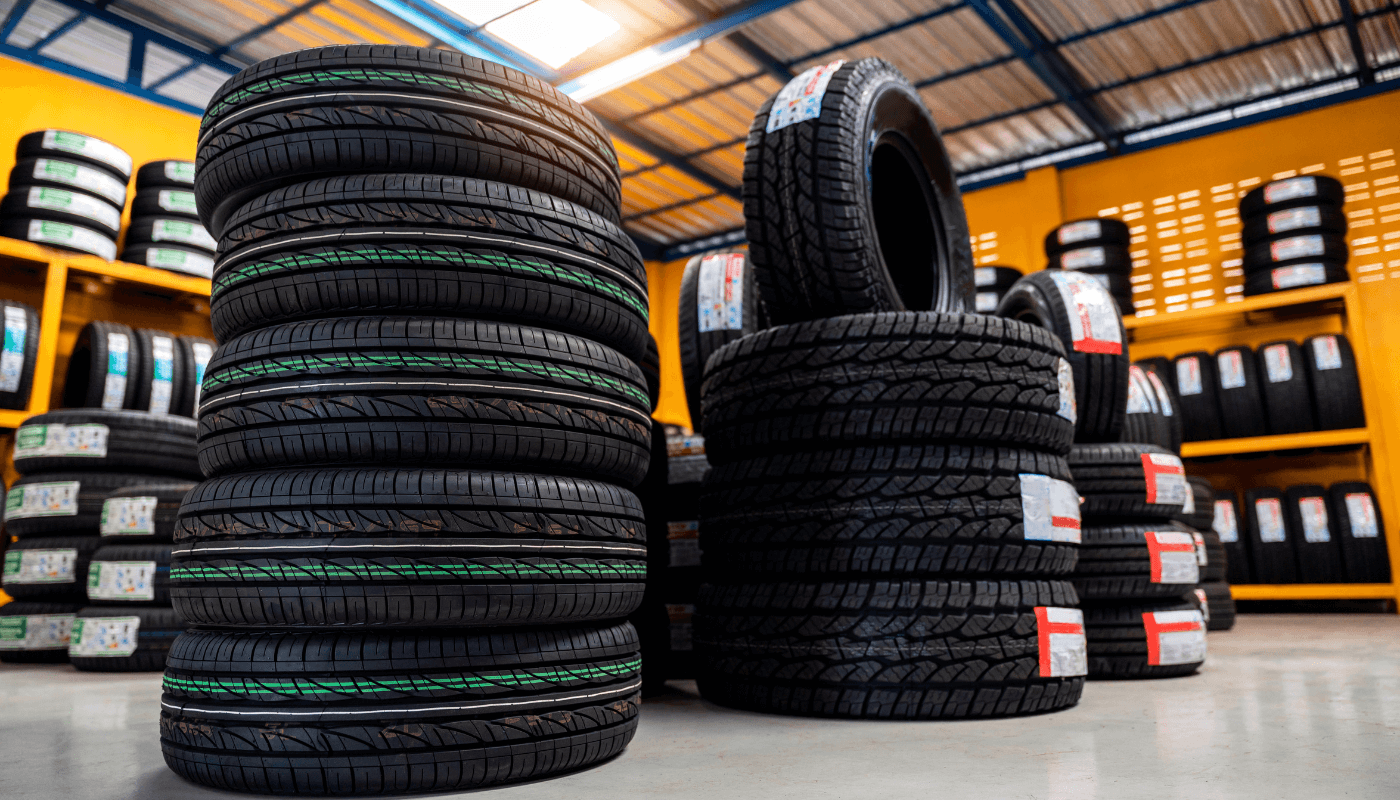
Remolded tires are a widely debated option for truck and commercial vehicle fleets.
Many fleet managers have questions about using these rebuilt tires, from their performance and safety to their impact on operational costs.
See the nine main questions about remolded tires in fleet management, with answers to support more confident decisions and improve operational efficiency:
What is a remolded tire?
A remolded tire is a rebuilt tire in which only the casing is reused and all the rubber is renewed.
It also undergoes vulcanization again before being finished and made available for sale.
In practice, remolding aims to extend the casing's useful life and give the tire a new life, provided the process is performed by a qualified refurbisher and meets applicable standards.
Is it safe to use remolded tires?
In general, using remolded tires in a truck fleet can be a safe choice when done carefully and with your operation's needs in mind, while also evaluating the information on the Inmetro label from Brazil's metrology institute.
However, the answer can vary considerably, because errors or low-quality materials in the process create transport safety risks.
Remolded tires generally undergo quality control and follow technical standards to ensure safety and performance. Manufacturers and refurbishers with monitored and audited processes tend to deliver more consistent quality and performance.
One of these actions is ensuring remolded tires are purchased from reliable suppliers that follow regulations.
In addition, maintaining regular maintenance practices, proper calibration and periodic inspections is essential to ensuring the safety of using tires that have been remolded in your fleet.
Drivers must also be informed about the on-route risks of remolded tires, since instability can be greater than with an original tire at high speeds or when cornering.
Want to see this in your fleet? Talk to a Prolog specialist
What is the advantage of a remolded tire?
These tires represent an economical option, allowing savings of up to 50% compared with new tires.
Choosing remolded tires can also benefit the environment, since improper disposal of used tires has a negative impact.
Manufacturing new tires also requires exploiting natural resources, which can harm nature.
Renewing the casing and using remolded tires can therefore help reduce waste and resource use while extending the casing's use.
How does a remolded tire differ from an original tire?
The main difference between a remolded tire and an original tire lies in the manufacturing process.
An original tire leaves the factory with all-new components. A remolded tire starts with a used tire that undergoes refurbishment: the original casing is retained, while the outer rubber, including tread and sidewalls, is renewed during rebuilding.
This clarification matters because remolding does not simply give the tire a new tread; the aim is to rebuild the tire's exterior more extensively, preserving the casing that can still be reused.
How does remolding differ from other retreading processes?
Remolded tires differ from the process known in Brazil as recauchutagem and from retreaded tires (recapados in Brazil), since only the original structure's casing is retained during remolding.
This means a remolded tire is completely rebuilt, from tread to sidewall, whereas in recauchutagem and recapagem (retreading), only a new rubber layer is applied.
Are remolded tires allowed on the road?
In most cases, yes. However, permission to drive on remolded tires can vary according to local laws and regulations.
It is essential to check the specific rules in your region before choosing remolded tires for your fleet, especially when the decision involves mounting position, vehicle type and refurbished tire identification requirements.
Are remolded tires allowed on the front axle?
Regulations on using remolded tires on the front of vehicles vary by vehicle type.
In Brazil, Contran (the National Traffic Council) Resolutions No. 416/2012 and No. 445/2013 prohibit refurbished tires on the front of buses and minibuses.
Similarly, in Brazil, Contran Resolution No. 158/2004 prohibits refurbished tires only on mopeds, motor scooters, motorcycles and tricycles.
For other vehicles, including freight trucks, Brazil's Contran Resolution 558/1980 establishes specific rules that must be followed.
So yes, in Brazil, remolded tires are allowed in truck fleets, provided the tire bears the marking “reformado” (refurbished) and the refurbisher's identification on the widest part of its sidewall, together with the tread wear indicators (TWI).
Remember that in Brazil, failure to comply with these regulations can result in fines and administrative measures holding the vehicle until compliance is restored.
What problems can using this tire type cause?
Remolded tires may not have the same durability and useful life as new tires, which can mean more frequent replacements.
Remolded tires are estimated to last around 30 thousand km, while new tires can reach around 60 thousand km before needing replacement.
The quality and safety of remolded tires can also vary depending on the refurbisher, and some models may not meet the same performance standards as new tires. This can lead to road safety risks.
Another problem with remolded tires is difficulty balancing the wheels, since casing uniformity can vary and hinder this task.
Are these tires worthwhile?
It depends. Each fleet and operation has needs that must be evaluated individually.
Remolded tires can be worthwhile in some cases and cause losses in others, like all other tire types. To understand whether they are worthwhile in your operation, you need to test them.
When using a remolded tire, keep records of it, regularly collecting air pressure and tread depth readings to understand its performance and durability in depth.
You will then have the information needed to calculate the CPK of remolded tires and see whether they offer good value for money in the long term.
Learn more about managing your fleet's tires in our complete, free guide. Download your Tire Management Guide here (in Portuguese).
Watch the video:
(video in Portuguese)
Frequently asked questions
Are remolded tires allowed on the front axle?
What markings does a remolded tire need to be used legally?
How long does a remolded tire last?
What is the difference between remolding and the retreading processes known in Brazil as recauchutagem and recapagem?
What precautions should fleets take when adopting remolded tires?
Are remolded tires worthwhile for my operation?
// newsletter
Fleet management content, straight to your inbox
Articles on tires, maintenance and fleet operations. No spam.