Warranty loss due to misuse: how to avoid it
 Jade Zart 7 min read

Warranty loss due to misuse of fleet vehicles should not come up only when the insurer or the manufacturer has already questioned a repair. It needs to be dealt with beforehand, as part of the fleet's maintenance, operations and documentation routine.
The main point is still vehicle care to prevent mechanical failures and other problems. These failures put cargo and drivers at risk — a more serious problem than any discussion about denied insurance, a lost warranty or compensation.
It is also important to separate two subjects that are often mixed up: the insurer's denial of a claim and the loss of the vehicle warranty due to misuse. The insurer analyzes the policy conditions and the excluded risks; the warranty, in turn, depends on use, maintenance, parts and the manufacturer's recommendations. From the fleet maintenance routine to driver training, this care needs to be organized to reduce problems on both fronts.
Here is what you will find below:
- When can the insurer deny coverage?
- When does warranty loss due to vehicle misuse occur?
- What to do when the insurer denies the claim?
- How to avoid warranty loss due to misuse?
When can the insurer deny coverage?
Insurers can turn down a claim for a number of reasons, including missed monthly payments, failure to meet the policy conditions, lack of adequate documentation, improper driving or lack of notification of the loss event within the stipulated deadline.
In addition, in Brazil, SUSEP (the Superintendency of Private Insurance, the country's insurance regulator) notes that there are losses linked to risks excluded in the General Conditions of the insurance plan. That is why the analysis does not depend only on the accident itself: the policy, the exclusions and the vehicle's history also come into play.
In many cases, neglecting proper vehicle maintenance and compliance with the manufacturer's recommendations can also be a reason for the denial. If the insurer had already found damage during a prior inspection, the discussion tends to become even more difficult, because that record can weigh on the assessment of the claim.
Understanding these situations and taking proactive measures to avoid them is essential to seek the coverage and support needed when the fleet needs them most. The best path is to keep the policy, documentation, maintenance and operational records aligned, without treating insurance and warranty as if they were the same thing.
When does warranty loss due to vehicle misuse occur?
Warranty loss due to vehicle misuse can occur when proper maintenance is neglected, scheduled inspections are not carried out, non-original parts are used or the manufacturer's recommendations are not followed.
In practice, this includes behaviors such as running with overdue maintenance, ignoring oil and filter changes, leaving recurring problems uncorrected, using components outside the technical specifications or making repairs that do not preserve the standard indicated for the vehicle. The guidance of manufacturers and suppliers itself reinforces the importance of respecting the equipment's original intervals and requirements, especially when the vehicle is still under warranty.
Reckless driving practices, such as sudden acceleration and hard braking, speeding and overloading, can also lead to warranty loss. They increase wear, create signs of improper use and make it harder to demonstrate that the fleet followed the expected care.
What to do when the insurer denies the claim?
If you find yourself in this situation, there are measures that can be taken to contest the denial and seek the coverage you believe is legitimate.
It is important to review your policy and understand the reasons for the denial, making sure that you are meeting all the terms and conditions of the policy. Check whether the denial was linked to an excluded risk, incomplete documentation, the notice deadline, prior damage, conditions of use or another point set out in the contract.
If you believe the denial was unfair, contact the insurer for clarification and consider the possibility of contesting the decision. In some cases, it may be necessary to seek legal advice.
For fleet management, this moment also serves as a diagnosis. The denial can reveal gaps in records, unproven maintenance, lack of evidence about the vehicle's condition before the loss event or a mismatch between the actual operation and the contracted conditions. Correcting these points helps reduce new conflicts.
How to avoid warranty loss due to misuse?
Fleet maintenance routine
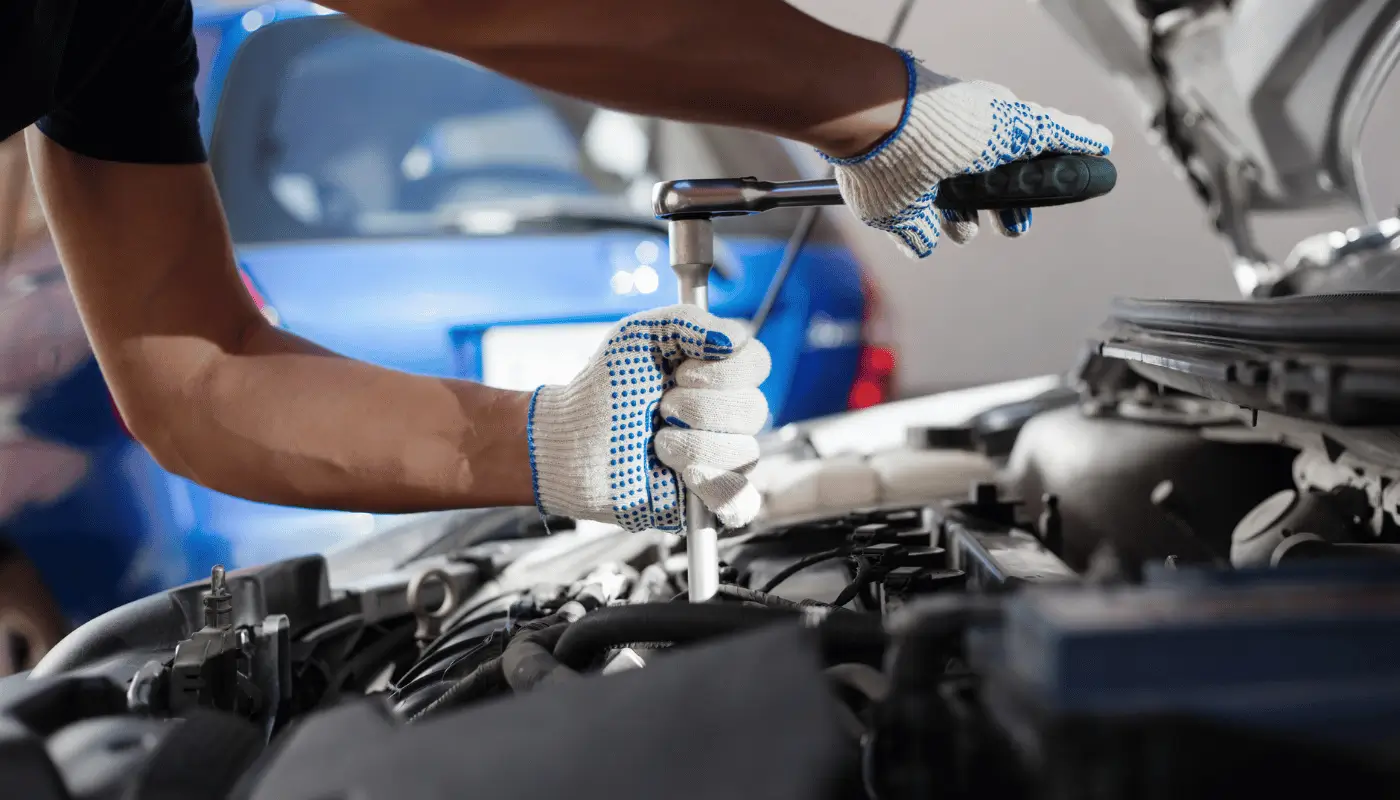
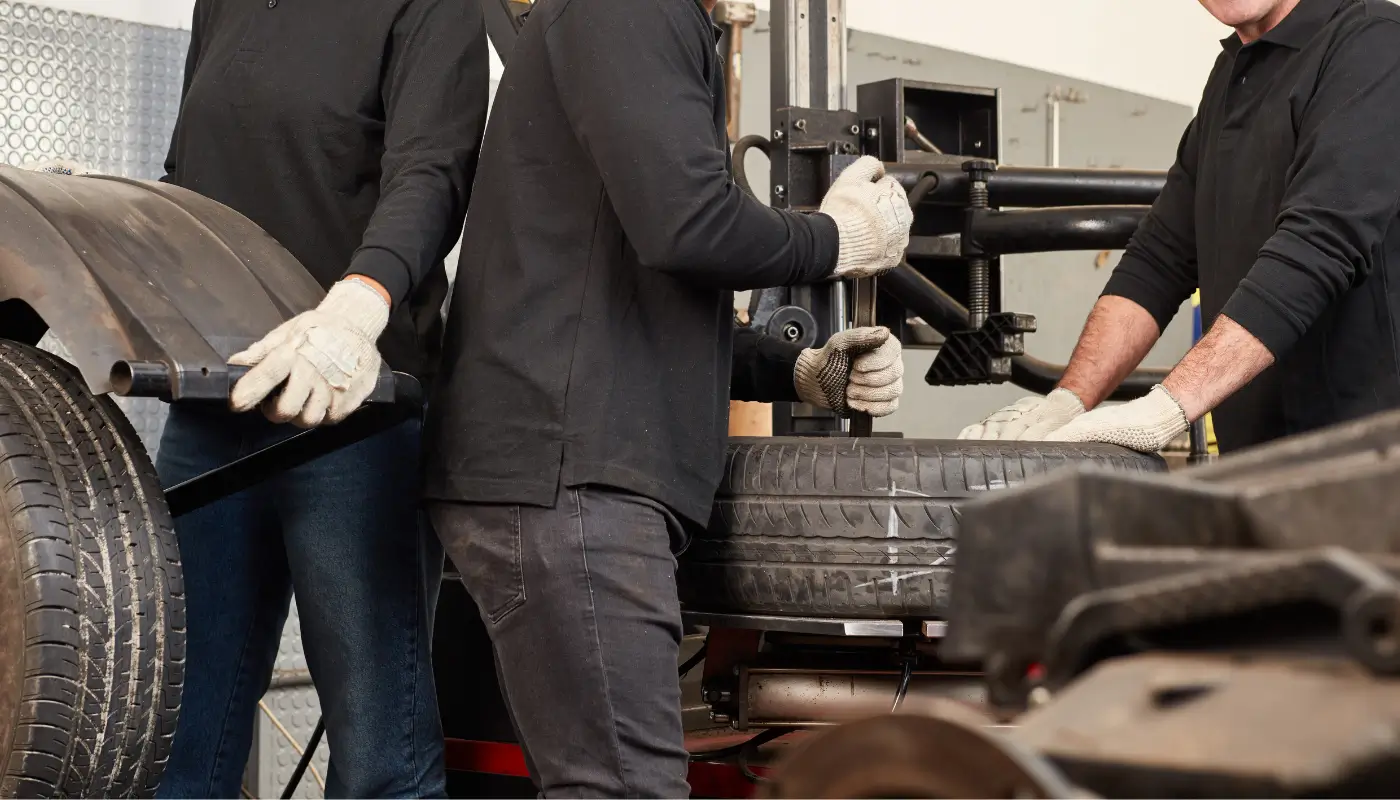
A well-planned and well-executed maintenance routine is essential to avoid warranty loss due to misuse. It needs to include regular inspections, scheduled oil changes, fluid checks, filter replacement and tire care.
By keeping a proper maintenance schedule, you not only extend the useful life of the vehicles but also meet the expectations of care that are usually required in insurance inspections and in warranty discussions. Correctly inflated tires, for example, are safer and tend to last longer, as long as the pressure follows the recommendation applicable to the vehicle and the operation.
The record is as important as the execution. Keep the date, the service performed, the parts used, who was responsible and evidence of the intervention. When the history is organized, it becomes easier to demonstrate that the failure did not stem from negligence by the fleet.
Driver training
Drivers are the main users of fleet vehicles, and including regular, focused training is essential to prevent warranty loss due to misuse.
Drivers should be instructed on good driving practices, such as avoiding sudden acceleration and hard braking, which can cause premature wear. They also need to know how to report noises, vibrations, warning lights, overheating, tire problems and any sign of failure before the damage gets worse.
However, training should also cover the importance of complying with traffic laws, which not only keeps the fleet safe but also helps keep the warranty intact. Defensive driving, respecting the load limit and prompt communication with maintenance help build evidence of careful use.
Keeping track of vehicle use
Using monitoring and telematics systems can be an industry strategy to avoid warranty loss, as long as the fleet respects privacy, applicable legislation and the technical limits of each solution. These systems can help identify improper driving patterns and guide corrective measures.
Even without telematics, the fleet can keep track of vehicle use through manual inspections, checklists, workshop records, driver reports and analysis of the maintenance history. The goal is to turn signs of misuse into preventive actions, not to wait for the failure to turn into an accident or a warranty dispute.
More than avoiding warranty loss due to misuse, this action improves road safety and reduces the rate of incidents and accidents in your transport operations.
Vehicle overload control
Excess weight can cause damage to the vehicle and jeopardize the vehicle's insurance payout.
That is why you need to know the maximum load of each vehicle and its tires, and share these limits with drivers and the other employees involved in loading the trucks. Overloading can accelerate wear on tires, suspension, brakes and other components, as well as create signs of use outside the specifications.
Using weighing systems to ensure compliance with the rules is also a good practice in fleet management. When the operation documents the weight carried and guides whoever loads the vehicles, it reduces the risk of allegations of misuse due to excess load.
Compliance with manufacturer recommendations
Complying with the manufacturer's recommendations is one of the most direct ways to avoid warranty loss due to misuse.
Using original replacement parts and components, for example, is a common and very important recommendation. When non-original or used parts are fitted, the warranty can be compromised if they do not meet the manufacturer's technical specifications. Other examples are detailed records of all maintenance and repairs carried out, identifying when they took place and what the service was.
Complying with the oil, fluid, filter and parts specifications recommended by the manufacturer is essential to maintain the warranty and the integrity of the vehicles. Oil that meets or exceeds the manufacturer's requirements, filter changes at specified intervals and caution before extending change intervals are examples of decisions that need to follow technical guidance, especially when the vehicle is still under warranty.
Ready to optimize your fleet management? Get started now with our course Fleet Maintenance Management – Your First Steps and gain the skills you need to protect your assets and avoid warranty loss due to vehicle misuse. Sign up today! (in Portuguese)
Frequently asked questions
The insurer denied the claim for one of the fleet's vehicles. What should I do now?
What is the difference between having insurance denied and losing the warranty due to misuse?
How does maintenance management help preserve vehicle warranties?
How can you reduce the risk of losing the warranty because of the way vehicles are driven?
Can excess weight cost a vehicle its warranty?
// newsletter
Fleet management content, straight to your inbox
Articles on tires, maintenance and fleet operations. No spam.