
Agricultural Transport: How to Increase Efficiency and Reduce Costs in Agribusiness
With Prolog's tire and maintenance management, you get the most productivity out of your vehicles in the field and make full use of planting windows, which are getting shorter and shorter.
Biggest operating costs
−10%
↓ tires + fuel
Avoided without tire control
up to 25%
↓ tire wear
- Electronic tire inspection completed every inspection
- Preventive WO generated by mileage automatic
- Environmental checklist sent from a phone synced
- Inventory item moved consolidated
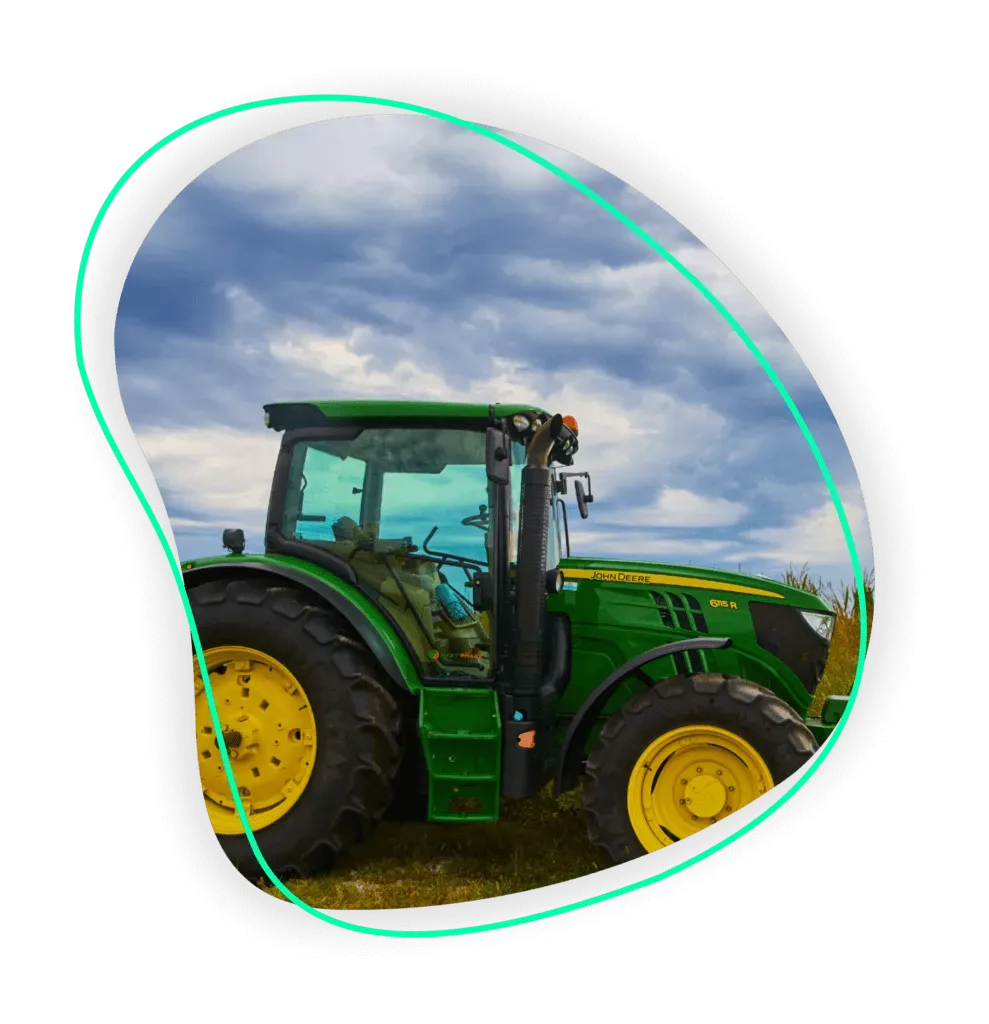
agricultural transport
+1,500 operations
in Brazil and abroad
on the biggest costs
fuel without tire control
operations on Prolog
active vehicles
What is agricultural transport
Agricultural transport is the set of logistics operations that moves inputs, crops and farm products using trucks, trailers and implements. It covers grain hauling, the transport of fertilizers, crop protection products and seedlings, as well as moving machinery between rural properties.
The efficiency of the operation depends directly on the mechanical availability of the fleet: preventive maintenance, management of the agricultural tire cycle, periodic inspections and tracking of indicators such as cost per kilometer and operational availability.
How agricultural logistics works in Brazil
Agricultural logistics in Brazil involves planning the flow of the harvest from its origin, through farms, silos and cooperatives, to its final destination: ports, refineries and industries. Road transport accounts for more than 60% of grain transport in Brazil (CNT, 2023), requiring available, well-managed fleets during critical harvest periods.
Trucks and trailers
grain and input transport
Preventive maintenance
workshop and tire shop in the field
Agricultural tire management
retreading and wear on soil
Operational indicators
CPK, availability and MTTR
Prolog's 3 modules
in your agricultural operation
Technology applied to agricultural transport: tires, checklist and maintenance integrated on a single platform to gain efficiency in agribusiness.
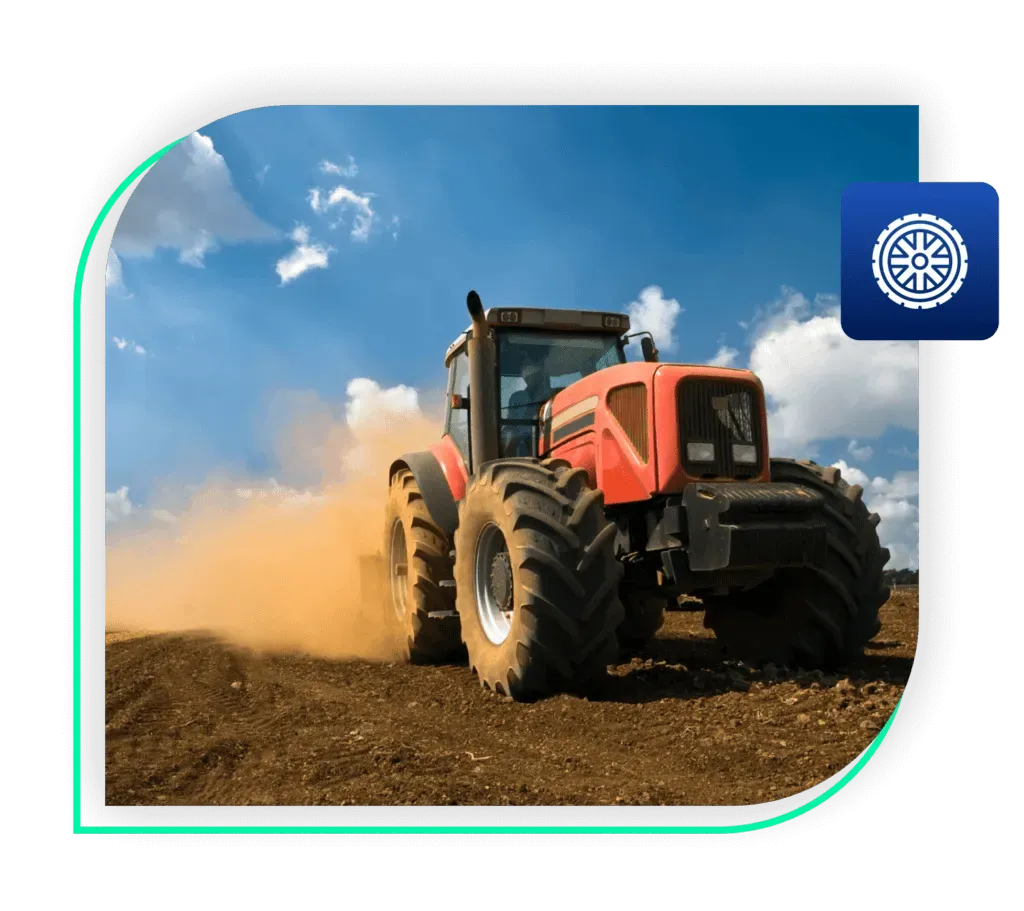
Tire Management
Tires in good condition to take on the soil
- Precise wear control on uneven terrain
- Ideal moment for retreading
- No early disposal or new purchases

Maintenance Management
Preventive maintenance made easy for greater efficiency
- Automatic WO by mileage or schedule
- Less corrective maintenance and fewer stopped vehicles
- Machinery running throughout the harvest cycle

Electronic Checklist
Compliance with environmental regulations
- Customizable checklist per vehicle, on a phone
- Compliance with environmental regulations
- Less harm to the environment
Tires in good condition
to take on the soil
Besides costing more, agricultural fleet tires wear faster because they deal with uneven terrain every day, which results in significant expenses for your operation.
With Tire Management and precise wear control, know the ideal moment for retreading, extending useful life and avoiding early disposal and new purchases of agricultural tires.

Cut up to 10%
of your biggest operating costs
Lack of tire control and care can increase the fleet's fuel consumption by up to 25% (ANIP / tire management studies).
With Tire Management, inspections happen on schedule, ensuring that tires run in ideal condition on the soil, reducing the force vehicles need and, consequently, fuel consumption.
Less impact on the operation
Easing the impact on the budget and keeping the fleet productive throughout the entire harvest and crop-hauling cycle.
How to increase the availability
of an agricultural fleet
Every vehicle and machine stopped in your operation means a big loss. Avoid this by opening work orders automatically based on your vehicles' mileage or by setting preventive maintenance schedules.
Reduce corrective maintenance costs, extend the useful life of your vehicles and, most importantly, make sure your machines are running so you can efficiently make the most of the entire harvest cycle.
Compliant
Without losing a day of work
Simplify your vehicle inspection routine with the customizable Electronic Checklist, which can be filled out on a phone, and make sure your fleet is compliant, reducing harm to the environment and identifying bottlenecks with every inspection.
Keep inventory control updated with every stock transaction, organize your machinery and prevent your operation from being interrupted by a lack of parts or expired items.
Don't lose a day of work
Find out which vehicles and processes have the greatest impact on your operating budget and easily identify savings opportunities in your agricultural operation.
Achieved with Prolog
More windows seized
Make full use of planting and harvest windows with a fleet that is always available.
Tires that last longer
Retreading at the right time, extended useful life and an end to early disposal.
A compliant operation
Vehicles inspected and compliant with environmental regulations.
Inventory under control
Organized machinery, with no downtime due to a lack of parts or expired items.
The technology your agricultural fleet needs
Features designed for the challenges of your Agricultural Transport operation:
- Electronic, customizable checklists
- Cost management by vehicle, operation or process
- Automated preventive maintenance
- Electronic tire inspection with automatic entry into the system
- Inventory control updated with every stock transaction
- Reports and charts updated with every inspection, accessible on a phone

Essential indicators for
agricultural operations
KPIs every agricultural fleet manager needs to track to make data-driven decisions during the harvest.
Operational availability
Percentage of vehicles and machinery fit to run and not under maintenance. High availability ensures that no planting or harvest window is lost because the fleet is unavailable.
Preventive vs. corrective
How much maintenance is planned versus reactive. Efficient agricultural operations keep more than 70% of interventions in preventive mode, reducing costs and unexpected downtime in the field.
Cost per kilometer
Divides total operating expenses by the mileage covered. The main gauge of financial efficiency for agricultural transport and crop-hauling fleets.
Cost per agricultural tire
Measures the average spend per tire, including retreads, disposals and replacements. Agricultural tires are expensive: active management of the cycle is the way to reduce this indicator.
Mean time to repair
Measures how many hours a vehicle stays stopped in the workshop. The lower the MTTR, the higher the availability of the agricultural fleet and the smaller the impact on planting and harvest windows.
Non-conformity rate
Percentage of items failed in inspection checklists. A high rate signals maintenance problems or a lack of standardization: risks to environmental compliance and to the continuity of the operation.
Prolog centralizes all these indicators in dashboards updated with every inspection, accessible on a phone or desktop, with no manual spreadsheets. See a demo →
Join the +1,500 operations
already saving with Prolog
operations on Prolog
active vehicles
active tires
countries served
Frequently asked questions about
agricultural transport
Straight answers for fleet managers, operations coordinators and agribusiness directors.
What is agricultural transport?
+
Agricultural transport is the set of logistics operations that moves inputs, crops and farm products using vehicles such as trucks, trailers and agricultural implements. It covers grain hauling, the transport of fertilizers, crop protection products and seedlings, as well as moving machinery and equipment between farms. The efficiency of these operations depends directly on the mechanical availability of the fleet and on controlling costs such as tires and fuel.
How does agricultural logistics work in Brazil?
+
Agricultural logistics in Brazil involves planning the flow of the harvest from its origin (farms, silos, cooperatives) to its final destination (ports, refineries, industries). Road transport is the most widely used mode, accounting for more than 60% of grain transport. Managers need to coordinate vehicle availability, fleet maintenance during peak harvest periods and tire control to reduce downtime and operating costs.
What are the main challenges of agricultural transport?
+
The main challenges of agricultural transport include: (1) rural roads in poor condition that accelerate wear on tires and mechanical parts; (2) increasingly short planting and harvest windows, which demand maximum fleet availability; (3) high operating costs for tires, fuel and maintenance; (4) difficulty controlling parts inventory in the field; (5) compliance with environmental regulations without compromising productivity.
How can you reduce costs in agricultural transport?
+
To reduce costs in agricultural transport, it is essential to: (1) implement preventive maintenance scheduled by mileage and calendar, reducing corrective repairs and unexpected downtime; (2) manage the full cycle of agricultural tires to avoid early disposal and unnecessary repurchases; (3) keep tires in ideal condition to cut fuel consumption by up to 10%; (4) standardize inspections with an electronic checklist; (5) track indicators such as cost per kilometer and fleet availability to identify savings opportunities.
How can you increase the availability of an agricultural fleet?
+
To increase the availability of an agricultural fleet, you need to replace corrective maintenance with preventive maintenance: schedule services by mileage or calendar, carry out periodic inspections with an electronic checklist, record non-conformities and open work orders automatically. As a result, trucks and machinery spend less time stopped and more time running during the planting and harvest windows, maximizing agricultural productivity.
Why is tire management important in agricultural transport?
+
Agricultural tires cost more than conventional ones and wear faster on uneven terrain. Tire management controls the individual wear of each tire, defines the ideal moment for retreading and eliminates early disposal. Besides reducing replacement costs, well-managed tires consume less fuel: lack of control can increase consumption by up to 25%. For crop transport and grain hauling operations, this control is essential to profitability.
What is preventive maintenance for agricultural vehicles?
+
Preventive maintenance for agricultural vehicles is the set of scheduled interventions carried out before a failure occurs, based on mileage, hours of use or elapsed time. It reduces corrective maintenance costs, extends the useful life of trucks and machinery and lowers the risk of unexpected downtime during the harvest. Opening work orders automatically by mileage ensures that no service is forgotten, even at the peak of harvest operations.
How can fleet management improve harvest flow?
+
To improve harvest flow, it is essential to maintain maximum fleet availability during critical periods. This requires: scheduling preventive maintenance in advance, before and during the harvest; daily inspections with an electronic checklist to detect failures early; inventory control of parts and tires to avoid downtime due to a lack of supplies; and tracking operational indicators that signal bottlenecks. With the fleet available and machinery maintenance up to date, the harvest window is used to the fullest.
Which KPIs should you track in agricultural transport operations?
+
The main KPIs for fleet management in agricultural transport are: operational availability of the fleet (% of vehicles fit to run), preventive vs. corrective maintenance ratio, cost per kilometer (CPK), cost per agricultural tire, tire useful life, retreading rate, mean time to repair (MTTR), number of work orders opened and resolved, non-conformity rate in checklists and average fuel consumption per vehicle.
How can you reduce the cost per kilometer of an agricultural fleet?
+
To reduce the cost per kilometer (CPK) of an agricultural fleet, the main levers are: strict control of the tire cycle (calibration, wear and retreading at the right time); preventive maintenance that avoids costly corrective repairs; regular inspections to identify abnormal fuel consumption; and management of parts inventory to avoid overpriced emergency purchases. Tracking CPK per vehicle makes it possible to identify which trucks or implements have the greatest impact on the operating budget.
What is an electronic checklist for agricultural vehicles?
+
An electronic checklist for agricultural vehicles is a digital tool that replaces paper forms in inspections of trucks, trailers and machinery. The driver or operator fills out the checklist on a mobile phone, records photos of non-conformities and the system opens work orders automatically. It ensures traceability of inspections, standardized processes and compliance with environmental regulations, as well as detecting failures before vehicles start operating in the field.
How can you digitize agricultural transport management?
+
To digitize agricultural transport management, the first step is to centralize all maintenance, tire and inspection data in a single software system, eliminating manual spreadsheets and field notebooks. With an integrated system, you can schedule preventive maintenance automatically, track the agricultural tire cycle, record inspections on a mobile phone and generate cost reports per vehicle. Digitization reduces rework, increases visibility of bottlenecks and enables decisions based on real operational data.
How can you control agricultural tires efficiently?
+
Efficient control of agricultural tires involves: registering each tire individually with a history of tire inspections, pressure, wear and position on the vehicle; defining objective criteria for retreading and disposal; scheduling periodic inspections on the calendar; and tracking cost per tire to identify products or suppliers that generate the most waste. With this control, you can extend tire useful life, reduce early repurchases and keep the fleet in ideal condition for field terrain.
What is an agricultural fleet?
+
An agricultural fleet is the set of vehicles, machines and implements used in agribusiness operations. It includes trucks for transporting grain and inputs, trailers, tractors, combine harvesters, sprayers and other field equipment. Efficient agricultural fleet management involves preventive maintenance, tire control, regular inspections and tracking of operational indicators to ensure maximum availability during planting and harvest periods.
How can technology increase productivity in agribusiness?
+
Technology increases productivity in agribusiness by automating repetitive processes and providing reliable data for decision-making. In agricultural transport, fleet management software automatically schedules preventive maintenance, records inspections on a mobile phone, controls the tire cycle and generates cost reports per vehicle. As a result, managers identify bottlenecks, reduce unplanned downtime and ensure the fleet is available during the critical planting, harvest and crop-hauling windows.
Have specific questions about your agricultural operation? Talk to a specialist →
Tire Management
Agricultural tire cycle control
Maintenance Management
Preventive maintenance for agricultural fleets
Electronic Checklist
Inspections and environmental compliance
Fleet Management
Indicators and operational control
Case Studies
Operations already using Prolog
Industrial Operations
Off-road and mining fleets
Freight Transport
Management for freight fleets
Blog
Articles for fleet managers

Transform the management of your
agricultural fleet
Our team is ready to answer all your questions and show how to improve the results of your agricultural operation with Prolog App solutions.