
Industrial Operations: How to Cut Costs and Increase Operational Efficiency
With Prolog, your industrial operation focuses on what really matters: efficient production. Our system ensures optimal fleet performance, with integrated tire management, preventive maintenance and an electronic checklist.
Biggest operating costs
−10%
↓ tires + fuel
Avoided without tire control
up to 25%
↓ tire wear
- Electronic tire inspection completed 18s ago
- Checklist submitted from a mobile phone 2m ago
- Preventive WO generated by km 4m ago
- Non-conformity recorded 6m ago
- Inventory transaction recorded 9m ago

industrial operations
+1,500 operations
in Brazil and abroad
in the biggest costs
avoided without tire control
operations on Prolog
active vehicles
What are industrial operations
Industrial operations are the set of processes, activities and resources used to move, transform or produce goods within an industry. They involve managing mobile assets, heavy equipment, fleet maintenance, internal logistics and the control of indicators such as operational availability, MTBF and industrial productivity.
Operational efficiency, the ability to produce more with fewer stoppages and at a lower cost, directly determines the competitiveness of the business. Operations that master maintenance management, tire control and asset availability are able to scale production without scaling costs.
How industrial operations management works
Large industries manage fleets of mobile assets, heavy equipment and off-road machinery that need continuous preventive maintenance, tire control and periodic inspections. Effective management centralizes this data so that industrial managers make decisions based on operational indicators, not on assumptions.
Mobile assets and equipment
heavy industrial fleets
Industrial preventive maintenance
by km or schedule
Industrial tire management
wear and cost control
Operational indicators
availability, MTBF, MTTR
Prolog’s 3 modules
in your industrial operation
Technology applied to industrial operations: tires, checklist and maintenance integrated into a single platform for managing industrial assets and fleets.

Electronic Checklist
Agility and autonomy in fleet control.
- Customizable checklist filled out on a mobile phone
- Structured processes that identify and correct failures
- Performance analyses for decision-making

Maintenance Management
Your operation doesn’t stop because of maintenance.
- Automatic WO by mileage
- Preventive maintenance schedules
- Fleet always ready for action
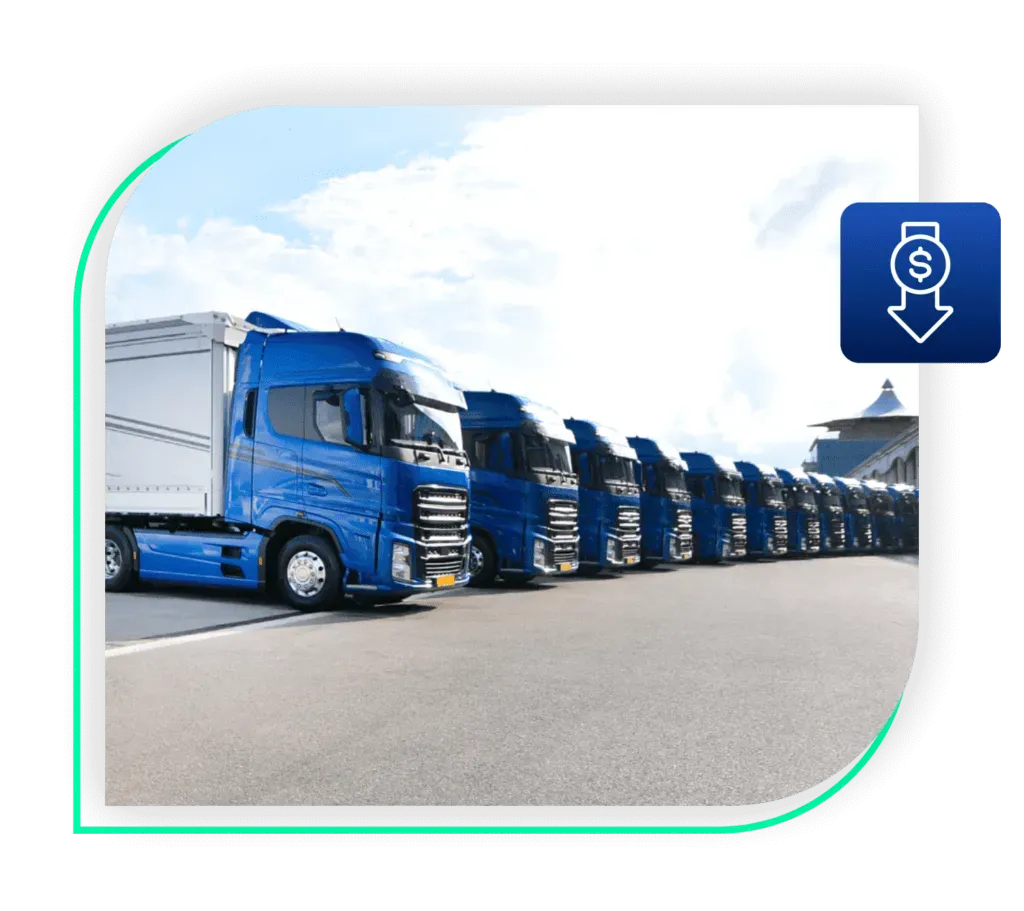
Tire Management
Cut up to 10% of the operation’s biggest costs.
- Inspections on schedule
- Tires running under ideal conditions
- Savings directed to what matters for the business
A practical, agile
and standardized routine
The asset care routine should be practical, agile and standardized. Optimize this routine, saving time and resources, with the Electronic Checklist, customizable and filled out directly on a mobile phone.
The team works with well-structured processes to identify and correct failures, bringing autonomy and productivity to the industrial operation. This whole process also generates performance analyses for data-driven decision-making.
Your operation doesn’t stop
because of maintenance
Keep your operational efficiency from being hurt by vehicles in the shop. Open work orders automatically based on your assets’ mileage or set preventive maintenance schedules with Maintenance Management.
Fleet always ready for action
It ensures the integrity of the industrial fleet, keeping it always ready for action, and lets you focus less on maintenance and more on production. It reduces unscheduled stoppages and increases operational reliability.
Cut up to 10%
of the operation’s biggest costs
The volatility of fuel consumption, together with the costs generated by tire wear, may be increasing your operation’s expenses by more than 25%.
With Tire Management, inspections happen on schedule, ensuring that tires run under ideal conditions, reducing fuel consumption and allowing those savings to be directed to more significant investments for the business.
Manage inventory and costs
efficiently
Record and monitor your industrial fleet’s maintenance costs. Find out which vehicles and processes are impacting your operating budget the most and easily identify savings opportunities to direct resources strategically.
In addition, keep control of your inventory, updated with every stock transaction, avoiding unnecessary purchases and preventing your industrial operation from being interrupted by a lack of parts or expired items.

Proven results in industrial operations with Prolog
Focus on production
Your operation focuses on what really matters while Prolog takes care of the industrial fleet’s performance.
Fleet always ready
Preventive maintenance preserves the integrity of assets and reduces unexpected stoppages in the operation.
Fuel savings
Tires in ideal condition reduce fuel consumption and the early disposal of assets.
Inventory under control
Avoid unnecessary purchases and keep the operation from being interrupted by a lack of parts.
The technology your industrial operation needs
Features designed for the challenges of Industrial Operations, from tire management to inventory control:
- Electronic, customizable checklists
- Cost management by vehicle, operation or process
- Automated preventive maintenance
- Electronic tire inspection with automatic entry into the system
- Inventory control updated with every stock transaction
- Reports and charts updated with every inspection, accessible from a mobile phone
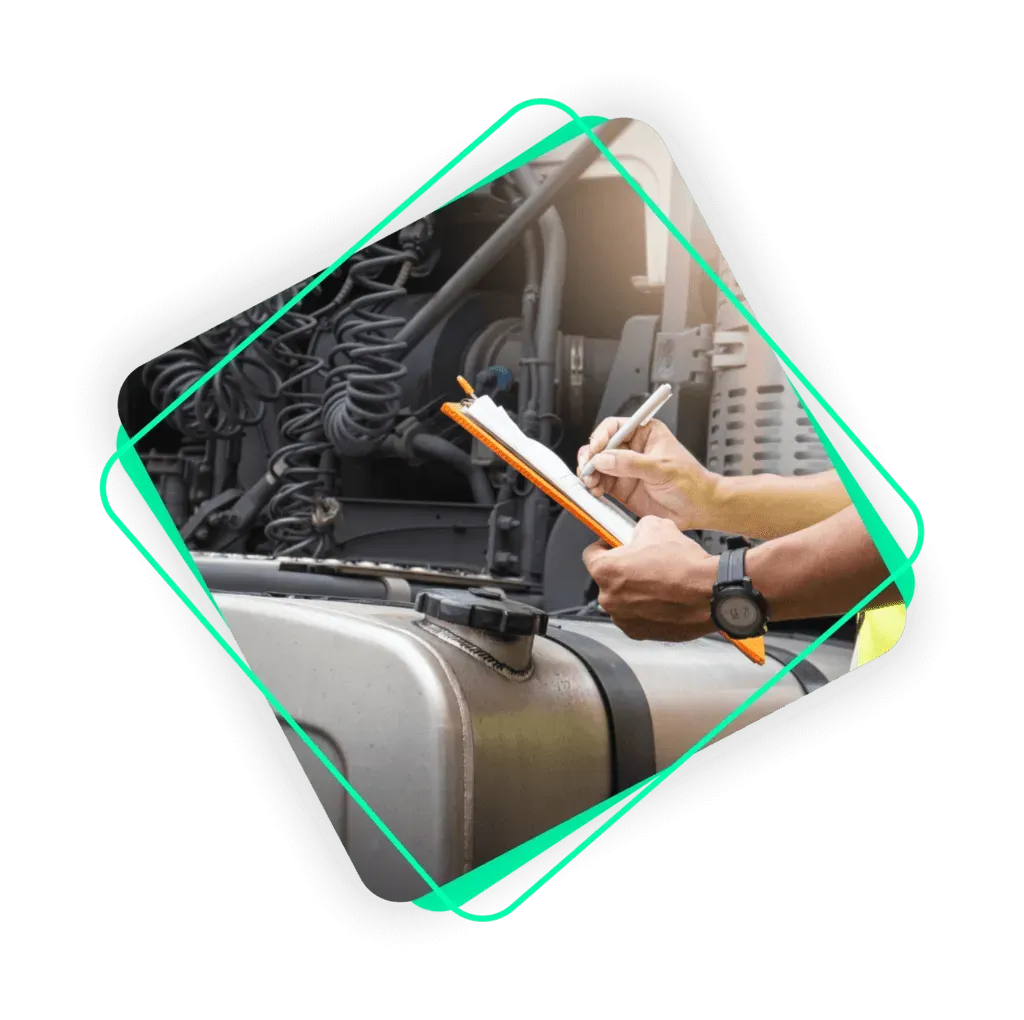
Essential indicators for industrial operations
KPIs that every industrial manager needs to follow to measure availability, maintenance and costs, and make decisions based on real data.
Operational availability
Percentage of time that assets are fit to operate without maintenance. High availability is the main health indicator of an industrial operation. Benchmark target: above 85%.
MTBF: Mean time between failures
Measures the average interval between failures of an asset or piece of equipment. The higher the MTBF, the more reliable the fleet. Preventive maintenance is the main way to raise this index in industrial operations.
MTTR: Mean time to repair
Indicates how long an asset stays down for corrective maintenance. Reducing MTTR increases operational availability and lessens the impact of stoppages on industrial production.
Preventive maintenance ratio
Percentage of planned versus corrective interventions. High-performance industrial operations keep more than 70% of maintenance in preventive mode, reducing costs and unscheduled stoppages.
Cost per kilometer / hour worked
Divides the total operating cost by mileage or hours worked. The main gauge of financial efficiency for industrial fleets, heavy equipment and off-road machinery.
Non-conformity rate
Percentage of items failed in inspection checklists. A high rate signals maintenance problems or an operation outside standards: a direct risk to asset availability and operational safety.
Prolog centralizes all these indicators in dashboards updated with every inspection, accessible from a mobile phone or desktop, without manual spreadsheets. See a demo →
Join the +1,500 operations
already saving with Prolog
operations on Prolog
active vehicles
active tires
countries served
Frequently asked questions about
industrial operations
Straight answers for industrial managers, maintenance coordinators and operations directors.
What are industrial operations?
+
Industrial operations are the set of processes, activities and resources used to move, transform or produce goods within an industry. They involve managing mobile assets, heavy equipment, fleet maintenance, internal logistics and the control of indicators such as operational availability, MTBF and OEE. Operational efficiency, the ability to produce more with fewer stoppages and at a lower cost, directly determines the competitiveness of an industrial business.
How can you increase industrial operational efficiency?
+
To increase industrial operational efficiency, it is essential to: (1) implement preventive maintenance scheduled by mileage or by calendar to reduce unexpected stoppages; (2) control the life cycle of tires and heavy equipment; (3) digitize inspections with an electronic checklist; (4) monitor indicators such as availability, MTBF and MTTR; (5) centralize data in a management system for decision-making based on real operational data.
How can you reduce costs in industrial operations?
+
The main ways to reduce costs in industrial operations are: moving from corrective to preventive maintenance (a significant reduction in spending), controlling tire wear to avoid early disposal and reduce fuel consumption by up to 10%, managing the spare parts inventory to avoid emergency purchases, and monitoring the cost per kilometer or per hour worked of each asset. Data-driven management identifies the biggest cost drivers and directs precise savings actions.
What is operational availability?
+
Operational availability is the percentage of time that a piece of equipment, asset or vehicle is fit to operate without being under maintenance or out of service due to a failure. It is calculated as: (Total time − Downtime) ÷ Total time × 100. Availability above 85% is considered a benchmark in high-performance industrial operations. Prolog centralizes maintenance data to calculate and monitor this indicator automatically, with dashboards updated with every inspection.
How can you reduce unscheduled stoppages in industrial operations?
+
To reduce unscheduled stoppages, you need to: (1) replace the corrective culture with a preventive one, with schedules and automatic work orders by mileage; (2) carry out periodic inspections with an electronic checklist to detect failures before they cause stoppages; (3) monitor the maintenance history of each asset to anticipate interventions; (4) keep an adequate inventory of critical parts to reduce the mean time to repair (MTTR).
How can you improve industrial productivity?
+
Industrial productivity improves when assets and equipment are available, reliable and operating under ideal conditions. This requires proactive maintenance management, control of tires and the fleet, digitized inspection processes and continuous analysis of operational indicators. Companies that adopt fleet and asset management platforms report significant productivity gains by eliminating unexpected stoppages and rework in the operation.
What is industrial preventive maintenance?
+
Industrial preventive maintenance is the set of planned and scheduled interventions carried out before a failure occurs, based on mileage, hours worked or a fixed schedule. It significantly reduces corrective maintenance costs, increases the availability of equipment and mobile assets, extends the useful life of the industrial fleet and lowers the risk of unexpected stoppages that directly impact production.
Which KPIs should you follow in industrial operations?
+
The main KPIs for industrial operations with fleets and mobile assets are: operational availability, MTBF (mean time between failures), MTTR (mean time to repair), the ratio of preventive to corrective maintenance, cost per kilometer driven or per hour worked, total cost of maintenance, tire disposal rate, the rate of non-conformities in inspection checklists and overall equipment effectiveness (OEE).
What is industrial asset management?
+
Industrial asset management is the discipline that controls the entire life cycle of the equipment, vehicles and machines of an industrial operation, from acquisition to disposal, with the goal of maximizing availability, reducing costs and ensuring reliability. It involves preventive and corrective maintenance, tire control, periodic inspections with an electronic checklist and the analysis of performance indicators such as MTBF, MTTR and operational availability.
How can you digitize industrial operations?
+
Digitizing industrial operations starts with replacing manual processes and spreadsheets with digital systems. The first steps are: (1) implement an electronic checklist for inspections of vehicles and heavy equipment; (2) digitize work orders and maintenance history; (3) automate spare parts inventory control; (4) centralize data in dashboards with operational indicators updated with every inspection. This path is the foundation of digital transformation in industry and of the principles of Industry 4.0.
How does tire management impact industrial operations?
+
Tires are one of the largest cost centers in industrial operations with heavy fleets and off-road equipment. A lack of wear control can increase fuel consumption by up to 25% and lead to early repurchases. Tire management controls the complete cycle of wear, calibration, retreading and disposal to maximize useful life, reduce the cost per kilometer (CPK) and ensure that industrial equipment operates under ideal conditions.
Which industrial segments does Prolog serve?
+
Prolog serves industrial operations that depend on mobile assets and heavy equipment, including the pulp and paper industry (such as Klabin), steel, agribusiness, heavy construction, cement plants, ports, energy, mining and internal logistics operations. In all of these segments, the platform offers integrated tire management, preventive maintenance and an electronic checklist, with dashboards updated with every inspection and access from a mobile phone.
Have specific questions about your industrial operation? Talk to a specialist →
Tire Management
Industrial tire control
Maintenance Management
Preventive and corrective
Electronic Checklist
Asset inspections from a mobile phone
Case Studies
Industries and industrial fleets
Klabin Case Study
Pulp and paper industry
Marbela Case Study
−47.8% in tire disposal
Fleet Management
Fleet indicators and control
Blog
Articles for industrial managers

Transform the management of your
industrial operation
Our team is ready to answer all your questions and show how to improve the efficiency, availability and productivity of your industrial operation with Prolog’s solutions.