
Passenger Transport: How to Reduce Costs
and Increase Operational Efficiency
Get more savings and productivity in your fleet with Prolog’s tire and maintenance management, and remain a benchmark for punctuality, safety and passenger satisfaction.
Preventive maintenance
−40%
↓ cost
Fuel consumption
−10%
↓ up to 25% avoided
- Electronic tire inspection completed 18s ago
- Work order generated automatically 3m ago
- Non-conformity recorded 6m ago
- Checklist submitted from mobile 9m ago
- Roadside assistance request 12m ago
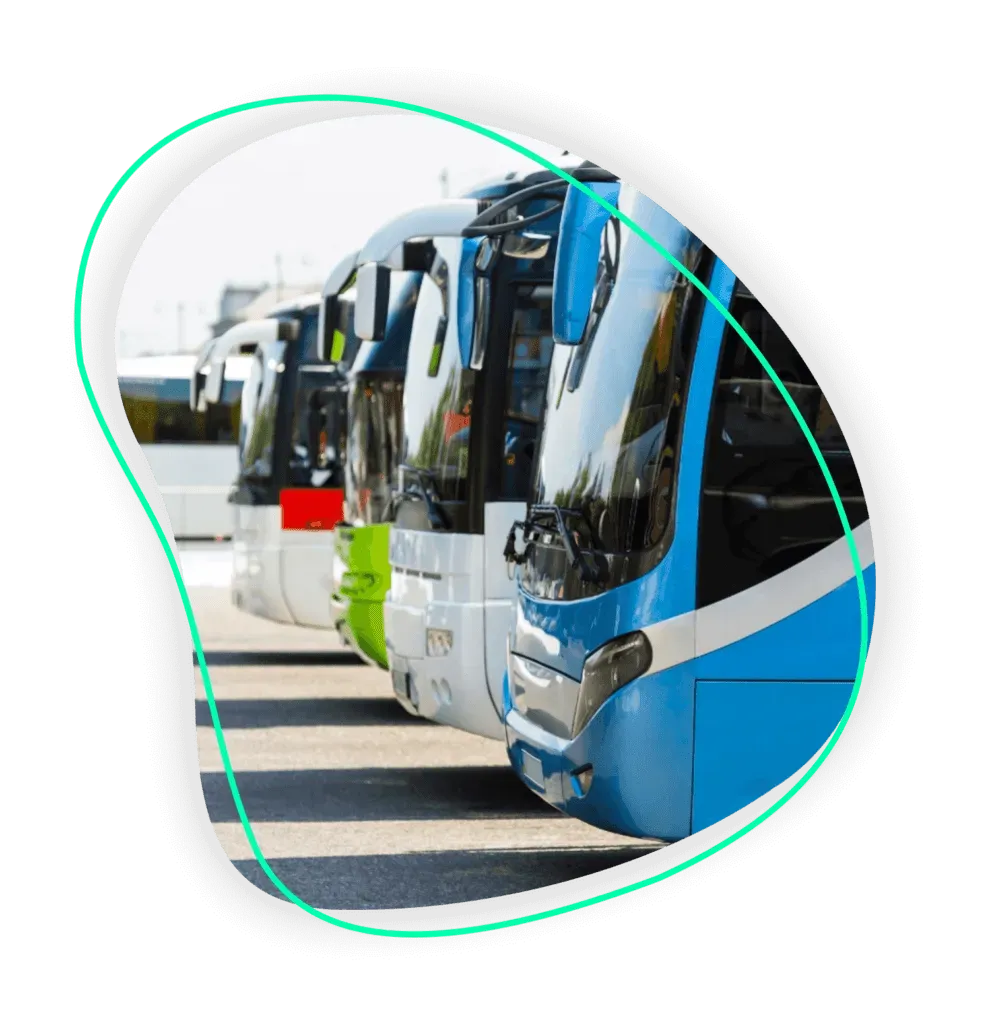
passenger transport
+1,500 operations
in Brazil and abroad
preventive maintenance
fuel consumption
fuel without tire control
operations on Prolog
What is passenger transport
Passenger transport is the activity of moving people using collective vehicles such as buses, minibuses and vans. It can be classified as urban, intermunicipal, interstate or international transport, each with its own specific fleet management challenges.
The efficiency of the operation depends directly on the mechanical availability of the vehicles: preventive maintenance, tire cycle management, periodic inspections and tracking of indicators such as cost per kilometer (CPK).
ANTT compliance
In Brazil, interstate and international transport companies are regulated by ANTT (Agência Nacional de Transportes Terrestres, the National Land Transportation Agency) and must keep an active RNTRC registration and periodic technical inspection of their vehicles. Documented preventive maintenance management is a requirement for renewing the operating authorization.
Passenger transport management
Bus companies, corporate charter operators and interstate carriers manage routes, schedule maintenance, control tires and track the operating cost of every vehicle in the fleet.
Buses and minibuses
passenger vehicles
Preventive maintenance
workshop and tire shop
Tire management
retreading and wear
Operational indicators
CPK and availability

The 3 Prolog modules
in your passenger operation
Technology applied to passenger transport: tires, checklist and maintenance integrated into a single platform.
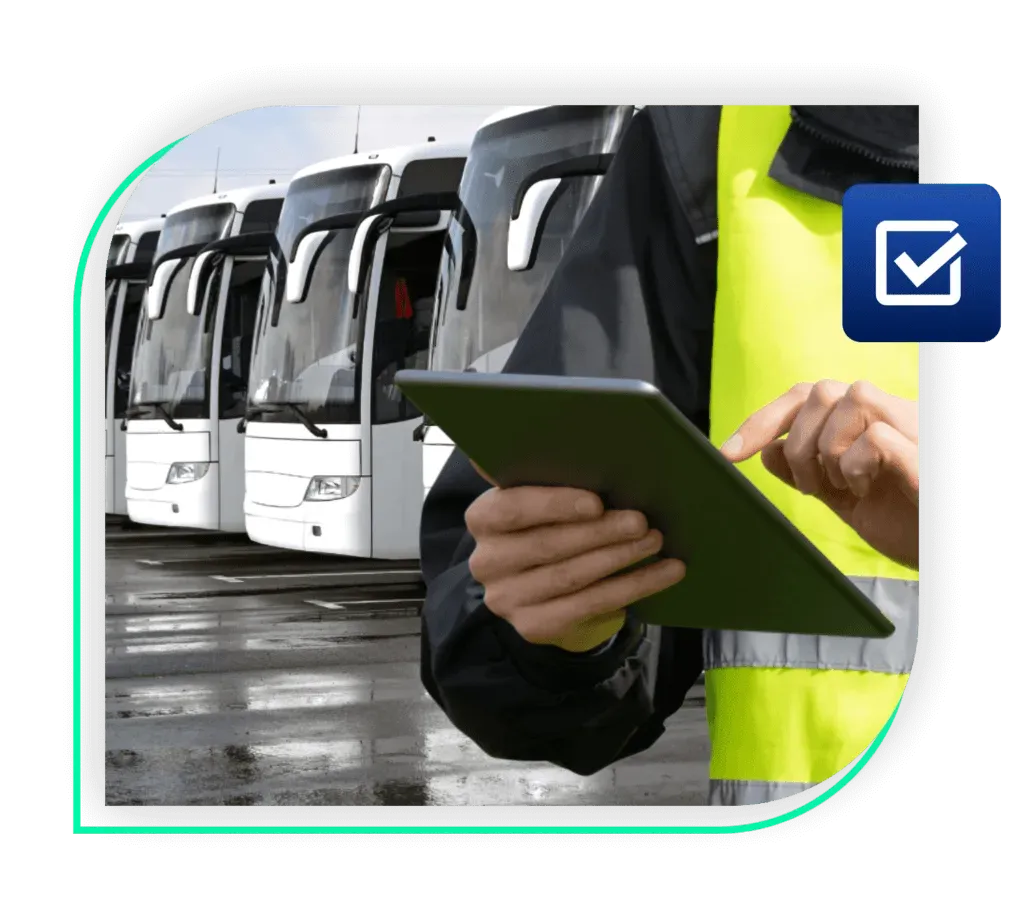
Electronic Checklist
Greater control over the buses in your fleet
- Customizable checklists for each bus, on a mobile phone
- Fast detection of failures during inspections
- Automatic opening of work orders
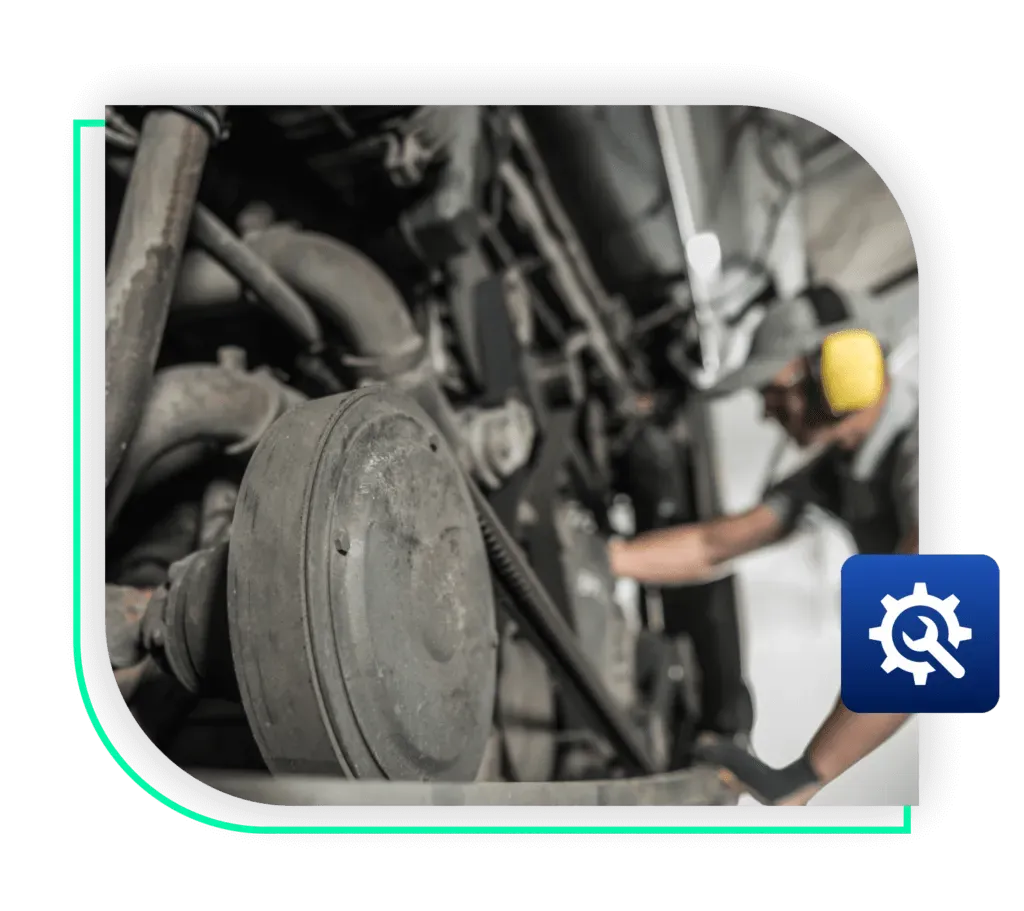
Maintenance Management
40% more savings with preventive maintenance
- Work orders by mileage or preventive schedule
- Less corrective maintenance and uninterrupted service
- Longer useful life for each bus
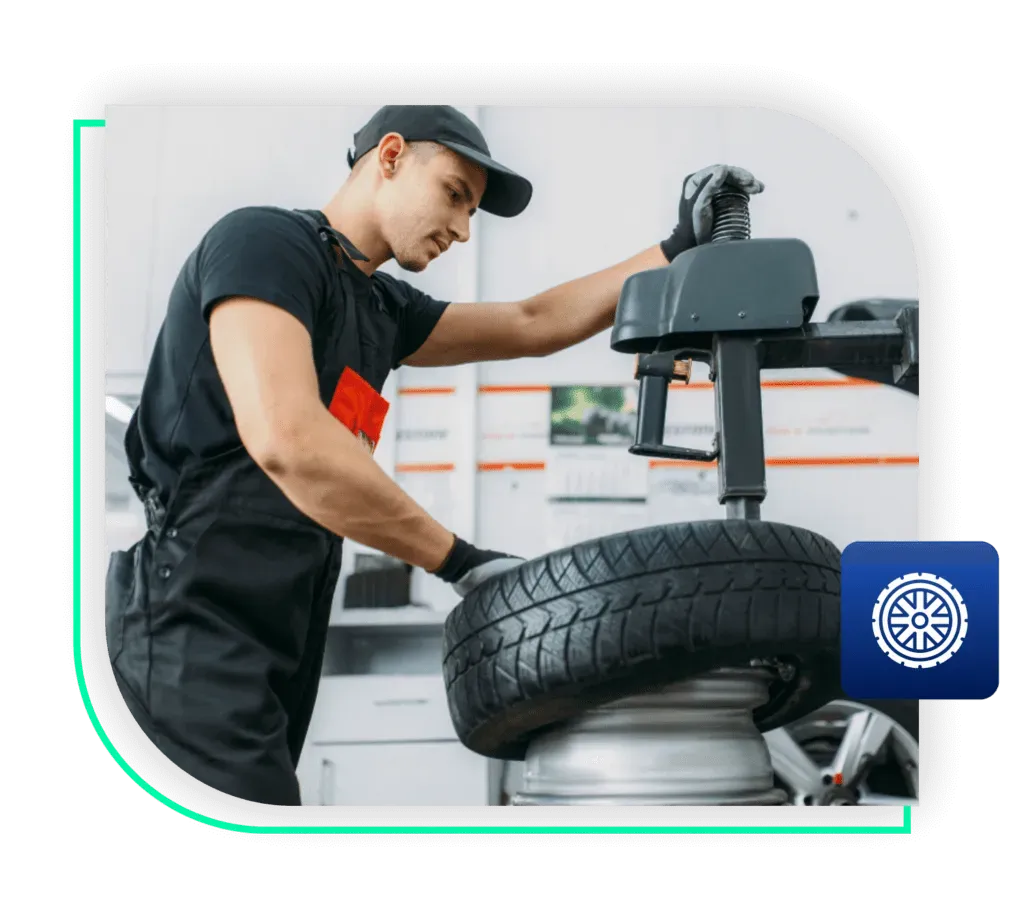
Tire Management
Reduce fuel consumption by up to 10%
- Inspections scheduled within the calendar
- Tires always in ideal running condition
- The right time to retread · no early disposal
Buses on the road
Operation at full capacity
Simplify your vehicle inspections with the Electronic Checklist, customizable for each bus and easily filled in on a mobile phone. Nothing will go unnoticed: quickly detect failures and open work orders automatically.
Know exactly which vehicles are in maintenance, the severity of the problems, the mean time to repair and how often failures recur. Count on detailed analyses of bus performance and increase the availability and punctuality of your passenger transport fleet.
40% more savings
with Preventive Maintenance
Open work orders automatically based on your vehicles’ mileage control, or set preventive maintenance schedules for each bus with Maintenance Management.
No service interruptions
Reduces operational incidents and corrective maintenance costs, and extends the useful life of vehicles. Prevents service interruptions, ensuring passenger safety and satisfaction.
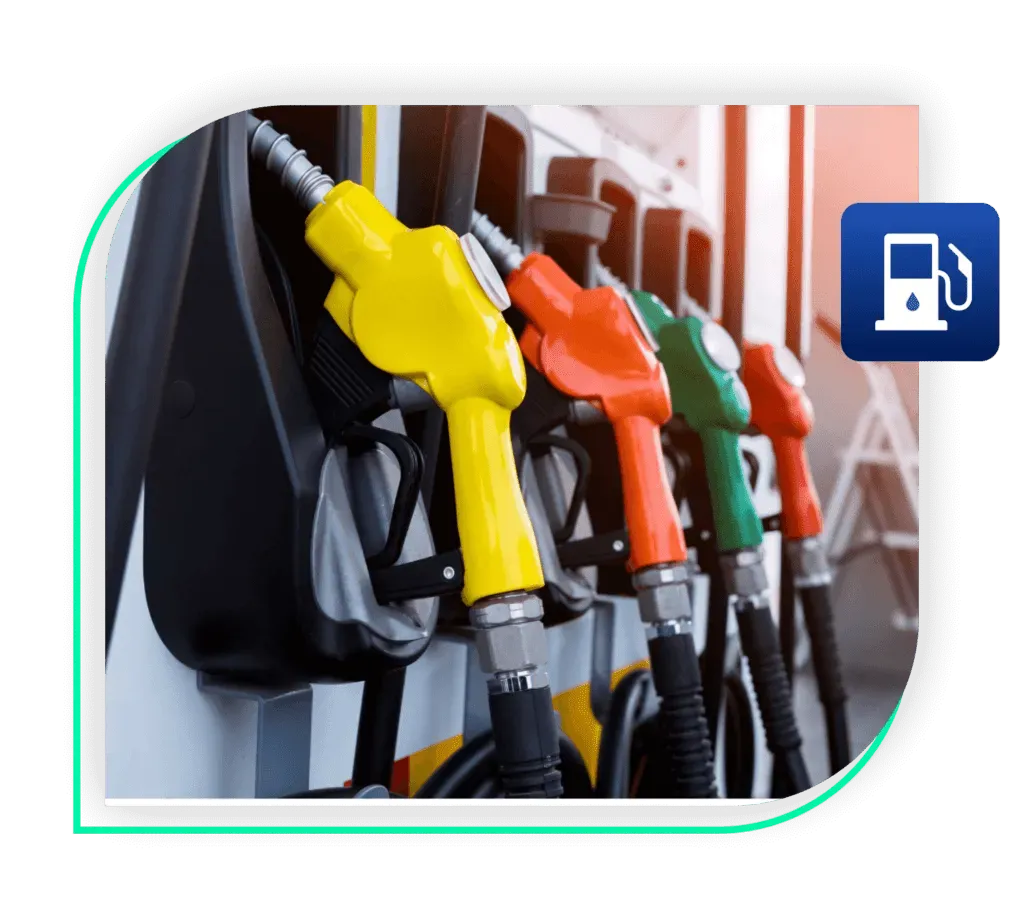
Reduce fuel consumption
by up to 10%
A lack of tire control can increase fuel consumption by up to 25%. With Tire Management, inspections are carried out on a schedule, ensuring that tires run in ideal condition and reduce that consumption.
This management is crucial to balance the growth in passengers and trips with fuel consumption, enabling healthy scaling of operations.
Eliminate early disposal
With precise control of tire wear across your fleet, know the ideal moment for retreading, extending tire useful life and avoiding early disposals.
Identify when your tires are not in ideal condition to run and avoid putting your passengers at risk.
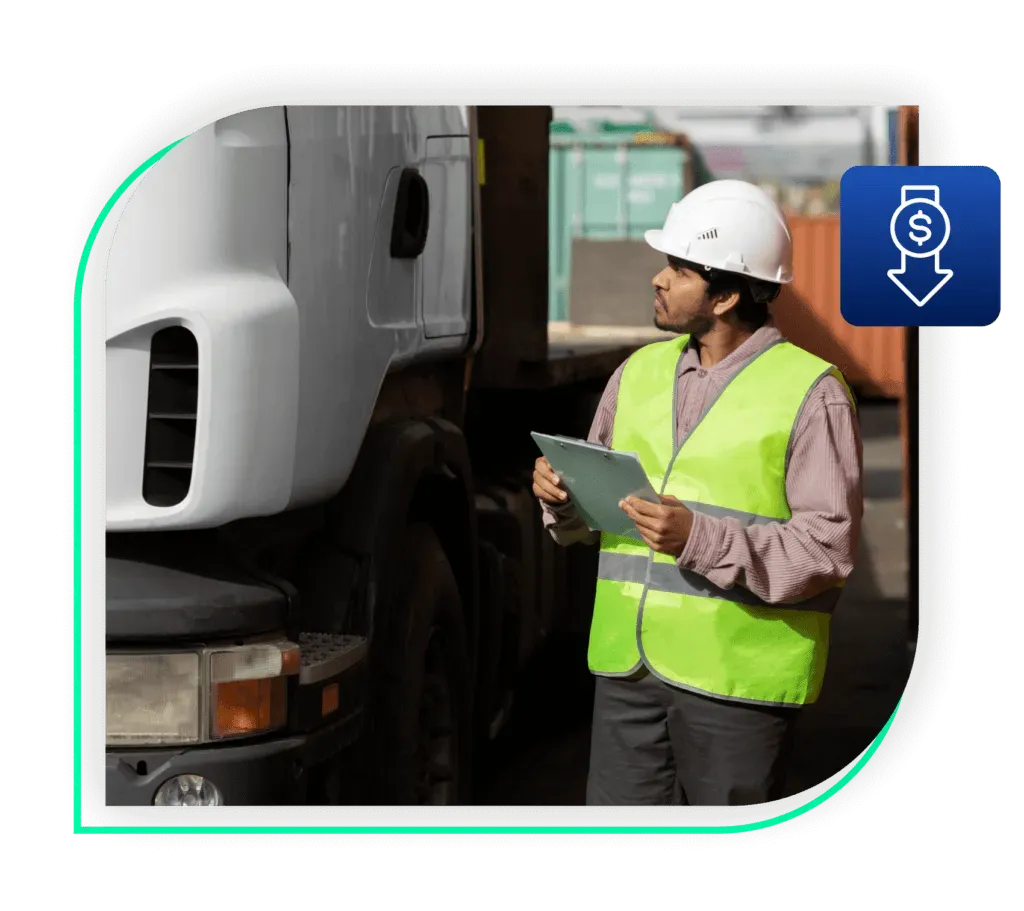
Inventory and costs under control
Access detailed reports on the vehicles and processes that generate the most maintenance spending through cost control, to present to the board and identify areas for savings.
Efficiently manage the quantity of products in inventory, avoiding waste and directing resources strategically.
The technology your bus fleet needs
Features designed for the challenges of your Passenger Transport operation:
- Electronic, customizable checklists
- Roadside assistance requests
- Automatic or manual opening of work orders
- Electronic tire inspection with automatic entry into the system
- Automated preventive maintenance
- Reports and charts updated with every inspection, accessible on a mobile phone
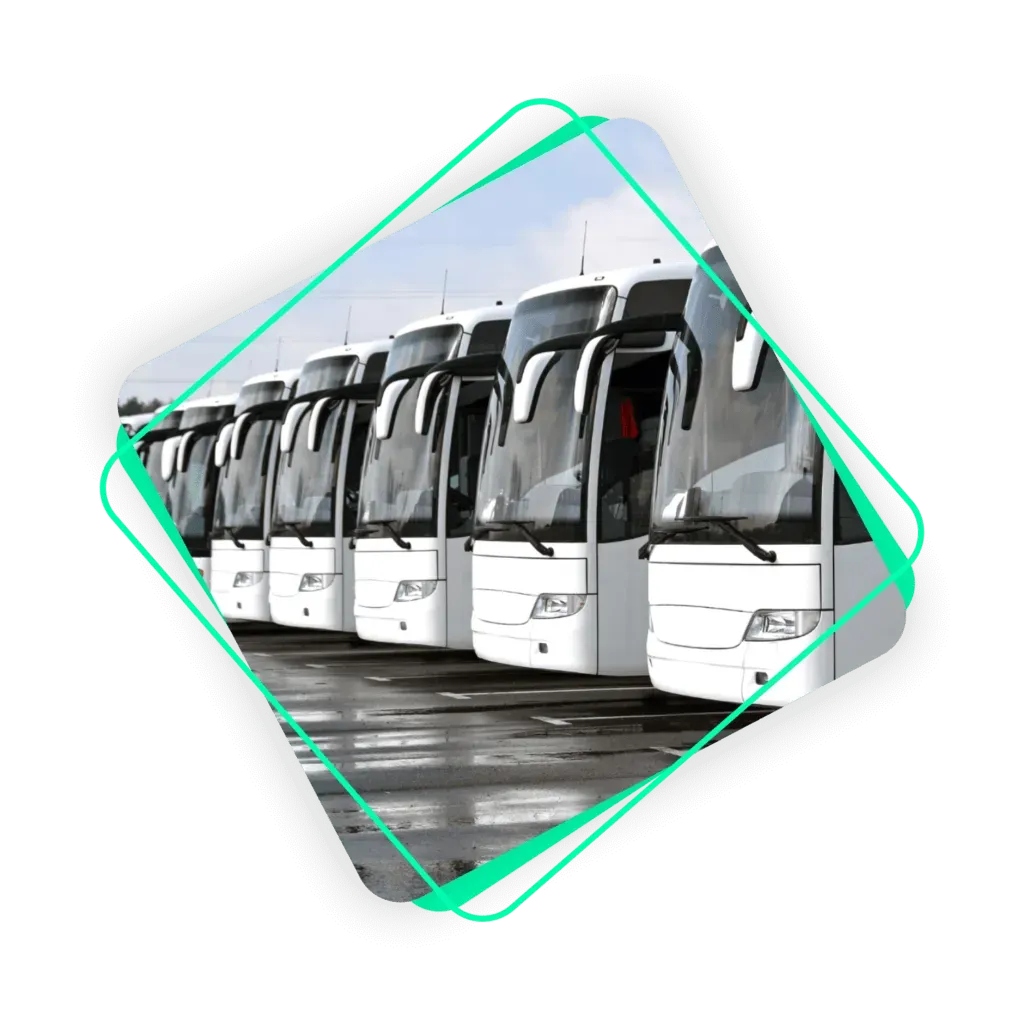
Essential indicators for
passenger transport companies
KPIs every bus company fleet manager needs to follow to make data-driven decisions.
Mechanical availability
Percentage of time buses are fit to run without being in maintenance. High availability ensures punctuality and passenger satisfaction.
Preventive vs. corrective
How much of the maintenance is planned versus reactive. Efficient operations keep more than 70% of interventions in preventive mode, reducing costs and service interruptions.
Mean time to repair
Measures how many hours a bus stays stopped in the workshop. The lower the MTTR, the higher the fleet availability and the smaller the impact on route punctuality.
Cost per kilometer
Divides total operating expenses by the mileage driven. The main gauge of financial efficiency for any passenger transport company.
Cost per tire
Tracks the average spend per tire, including retreads, disposals and replacements. Active management of the tire cycle is the way to reduce this indicator.
Non-conformity rate
Percentage of items failed in inspection checklists. A high rate signals maintenance problems or a lack of standardization: direct risks to passenger safety.
Prolog centralizes all these indicators in dashboards updated with every inspection, accessible on a mobile phone or desktop, without manual spreadsheets. See a demo →
Achieved with Prolog
Availability and punctuality
Detailed analyses of bus performance increase fleet availability and punctuality.
Extended useful life
Precise wear control indicates the ideal moment for retreading and prevents early disposals.
Uninterrupted service
Preventive schedules reduce corrective work and ensure passenger safety and satisfaction.
Inventory under control
Managing the quantity of products in inventory avoids waste and directs resources strategically.
Be one of the +1,500 operations
already saving with Prolog
operations on Prolog
active vehicles
active tires
countries served
Frequently asked questions about
passenger transport
Straight answers for fleet managers, coordinators and operations directors at bus companies.
What is passenger transport?
+
Passenger transport is the activity of moving people from a point of origin to a destination using collective vehicles such as buses, minibuses and vans. In Brazil, it is regulated by ANTT (Agência Nacional de Transportes Terrestres, the National Land Transportation Agency) for interstate and international services, and by state and municipal agencies for urban transport. It can be classified as: urban transport (within a municipality, usually under a public concession), intermunicipal transport (between municipalities in the same state), interstate (between states, under ANTT regulation) and international. Road transport is the main means of collective travel in Brazil, operated both by public concession companies and by private companies providing corporate charter, tourism and school transport. In every segment, efficient fleet management is decisive for passenger safety, punctuality and the profitability of the operation.
How does a passenger transport operation work?
+
A passenger transport operation involves route planning, trip scheduling, bus fleet maintenance, tire control, driver management and tracking of operational indicators. Efficiency depends directly on the mechanical availability of the vehicles — how many buses are fit to run without being in maintenance — and on punctuality in completing the itineraries. In the operating cycle, preventive maintenance is scheduled by mileage or by calendar, periodic inspections are carried out with an electronic checklist before each route departure, non-conformities generate work orders automatically, and tires are inspected and checked to ensure ideal calibration, wear and pressure. Managers follow KPIs such as CPK (cost per kilometer), the preventive vs. corrective maintenance rate and mean time to repair (MTTR) to make data-driven decisions and ensure the fleet meets passenger demand with punctuality and safety.
What are the main costs of a passenger transport company?
+
The main costs of a passenger transport company are: (1) fuel (diesel) — the largest item on the operating spreadsheet, directly affected by tire calibration; (2) preventive and corrective maintenance — corrective maintenance costs on average 3 to 5 times more than preventive maintenance; (3) tires and retreads — the second largest variable cost, controllable with active management of the cycle; (4) bus depreciation — accelerated by a lack of preventive maintenance; (5) labor for drivers, mechanics and administrative staff; (6) tolls and concession fees. Companies that implement integrated maintenance and tire management can reduce maintenance spending by up to 40% and fuel consumption by up to 10% (Prolog internal data, 2023–2025), turning the two largest cost centers into sources of competitive advantage.
How can bus companies reduce operating costs?
+
To reduce operating costs in bus companies, it is essential to: (1) implement preventive maintenance scheduled by mileage and by calendar — this reduces corrective maintenance spending by up to 40% (Prolog internal data, 2023–2025); (2) manage the full tire cycle with electronic tire inspection and retreading at the right time, eliminating early disposals; (3) control tire condition to reduce fuel consumption by up to 10% — under-inflated tires increase consumption by up to 25%; (4) standardize vehicle inspections with an electronic checklist on a mobile phone, generating work orders automatically when non-conformities are detected; (5) monitor indicators such as CPK (cost per kilometer), mechanical availability and the preventive vs. corrective maintenance rate to identify savings opportunities. Companies that combine these five practices with fleet management software reduce the total cost of the operation in a consistent and measurable way.
How can you increase bus fleet availability?
+
To increase bus fleet availability, corrective maintenance must be replaced with preventive maintenance. In practice, this means: (1) scheduling services by mileage or by calendar for each vehicle, before a failure occurs; (2) carrying out periodic inspections with an electronic checklist on a mobile phone before each route departure; (3) recording non-conformities with a photo and opening work orders automatically; (4) monitoring mean time to repair (MTTR) and failure frequency per vehicle to identify problem buses; (5) controlling tires to avoid unexpected stops caused by under-inflation or excessive wear. With this cycle in place, buses spend less time stopped in the garage and more time on the road. Operations that adopt systematic preventive maintenance increase mechanical availability by percentages that directly affect punctuality and passenger satisfaction.
What is preventive maintenance in a bus fleet?
+
Preventive maintenance in a bus fleet is the set of scheduled interventions carried out before a failure occurs, based on mileage driven, elapsed time or component condition. In Brazil, for companies regulated by ANTT, preventive maintenance is mandatory: the law requires a periodic technical inspection report (DENATRAN/SENATRAN) to renew the operating authorization. In practice, it includes oil, filter and belt changes on schedule, brake inspection, tire calibration and inspection, electrical servicing and checks of safety items. It reduces corrective maintenance spending by up to 40% (Prolog internal data, 2023–2025), extends the useful life of vehicles and lowers the risk of unexpected stops on the road. Companies that adopt fleet management software schedule these interventions automatically by mileage or by calendar, ensuring legal compliance and safety in passenger service.
How does tire management affect costs in passenger transport?
+
Poorly managed tires affect passenger transport costs on three simultaneous fronts: (1) fuel consumption — under-inflated tires increase rolling resistance and can raise diesel consumption by up to 25%; (2) early disposal — without control of wear and of the retreading point, tires are replaced before the end of their useful life, generating unnecessary spending; (3) safety and stops on the road — tires outside ideal conditions cause failures on the road, interrupt service and expose passengers to risk. Active tire management involves periodic electronic tire inspection, calibration control, wear control by tread depth and position, and defining the ideal moment for retreading. Companies that implement this process can reduce fuel consumption by up to 10% and eliminate early disposal, directly affecting the fleet’s cost per kilometer (CPK).
What is an electronic checklist for passenger transport?
+
The electronic checklist is a digital tool that replaces paper forms in bus and minibus inspections. The driver or inspector fills in the checklist on a mobile phone, records photos of non-conformities and the system opens work orders automatically. It ensures traceability of inspections, standardized processes and fast detection of failures before the vehicle leaves on its route.
Which KPIs should passenger transport companies monitor?
+
The main KPIs for passenger transport fleet management are: (1) fleet mechanical availability — the percentage of buses fit to run without being in maintenance; (2) preventive vs. corrective maintenance ratio — efficient operations keep more than 70% in preventive mode; (3) average fuel consumption per vehicle; (4) cost per kilometer (CPK) — the main financial gauge of the operation; (5) tire useful life and retreading rate; (6) cost per tire including retreads and disposals; (7) number of work orders opened, resolved and still open; (8) mean time to repair (MTTR) — the average time a bus stays stopped in the workshop; (9) non-conformity rate in inspection checklists. Following these indicators on a centralized dashboard, accessible on a mobile phone or desktop, lets managers make decisions based on real operational data — replacing manual spreadsheets and reducing the response time to problems.
How can safety be improved in passenger transport?
+
Safety in passenger transport starts with the mechanical condition of the vehicles. Periodic inspections with an electronic checklist identify failures before the route departure. Preventive maintenance reduces the risk of breakdowns on the road. Tire control ensures that buses run within ideal conditions. Together, these processes minimize risks and protect passengers, drivers and the company’s reputation.
What is the difference between urban transport and road passenger transport?
+
Urban passenger transport operates within a municipality, usually with fixed itineraries and integration with public transportation systems. Road passenger transport serves intermunicipal, interstate or international routes, with longer operations and larger bus fleets. In both cases, maintenance and tire management is essential to ensure availability and safety.
How does management software help passenger transport companies?
+
Fleet management software centralizes maintenance, tire and inspection data on a single dashboard, automates the opening of work orders, schedules preventive maintenance and generates indicators updated with every inspection. For passenger transport companies, this means: mileage control and a preventive maintenance schedule for each bus, electronic tire inspection with CPK by tire/make/model, digital checklists filled in by the driver on a mobile phone with photos and automatic generation of work orders for non-conformities, mechanical availability and cost-per-kilometer dashboards accessible on any device, and a complete history of each vehicle for auditing and compliance with ANTT. Companies that adopt this technology eliminate manual spreadsheets, reduce rework and can make preventive decisions before problems compromise routes or passenger safety.
Have specific questions about your operation? Talk to a specialist →
Tire Management
Full control of the cycle
Maintenance Management
Preventive and corrective
Electronic Checklist
Inspections on a mobile phone
Case Studies
Bus companies and fleets
Avilan Transportes case study
Passenger transport
Ilha Norte case study
Bus fleet
Fleet Management
Indicators and control
Blog
Articles for fleet managers

Transform the management
of your bus fleet
Our team is ready to answer all your questions and show how to improve the results of your Passenger Transport operation with Prolog’s solutions