Cargo tires: what they are, characteristics and care
 Luiz Felipe 5 min read
Selecting the right cargo tires for your transport operation is essential to ensure efficiency and safety.
That is because tires can directly influence fleet performance, fuel consumption and operating costs. They can also end up affecting and increasing the vehicles' carbon footprint, since they affect fuel-burning efficiency.
With the variety of tires available on the market, you need to know the characteristics and specifications of each type better in order to make decisions that positively boost your fleet's results.
Read on:
- What is a cargo tire?
- What are the characteristics of a cargo tire?
- How to choose the ideal cargo tires for your operations?
- How to care for cargo tires?
What is a cargo tire?
Cargo tires are types of transport tires that can support heavier weights while still maintaining stability and safety when carrying out transport operations.
They are designed specifically for vehicles such as trucks, trailers and semi-trailers, and they manage to stay in good condition under conditions that conventional tires would not withstand — with regard, for example, to varied road conditions, climate and the temperature generated by the long distances traveled.
What are the characteristics of a cargo tire?
These tires have unique characteristics, such as tougher rubber compounds and reinforced structures, which allow them to maintain their integrity and performance even under the weight and extensive demands of cargo transport.
The main characteristics of cargo tires include:
- High load capacity:
Designed for this specific purpose, these tires have higher load indexes compared to conventional tires, allowing heavy goods to be transported safely.
- Greater wear resistance:
Made with reinforced rubber compounds, cargo tires are more resistant to wear, which is crucial for tire longevity under severe conditions of use, such as long distances and challenging terrain.
- Reinforced internal structure:
The internal structure of cargo tires is reinforced with steel belts or similar materials, increasing resistance to impacts and punctures, in addition to contributing to the vehicle's stability under load.
- Greater heat dissipation capacity:
Designed to dissipate heat efficiently, these tires reduce the risk of overheating during long trips, a critical factor for tire safety and durability.
- Tread:
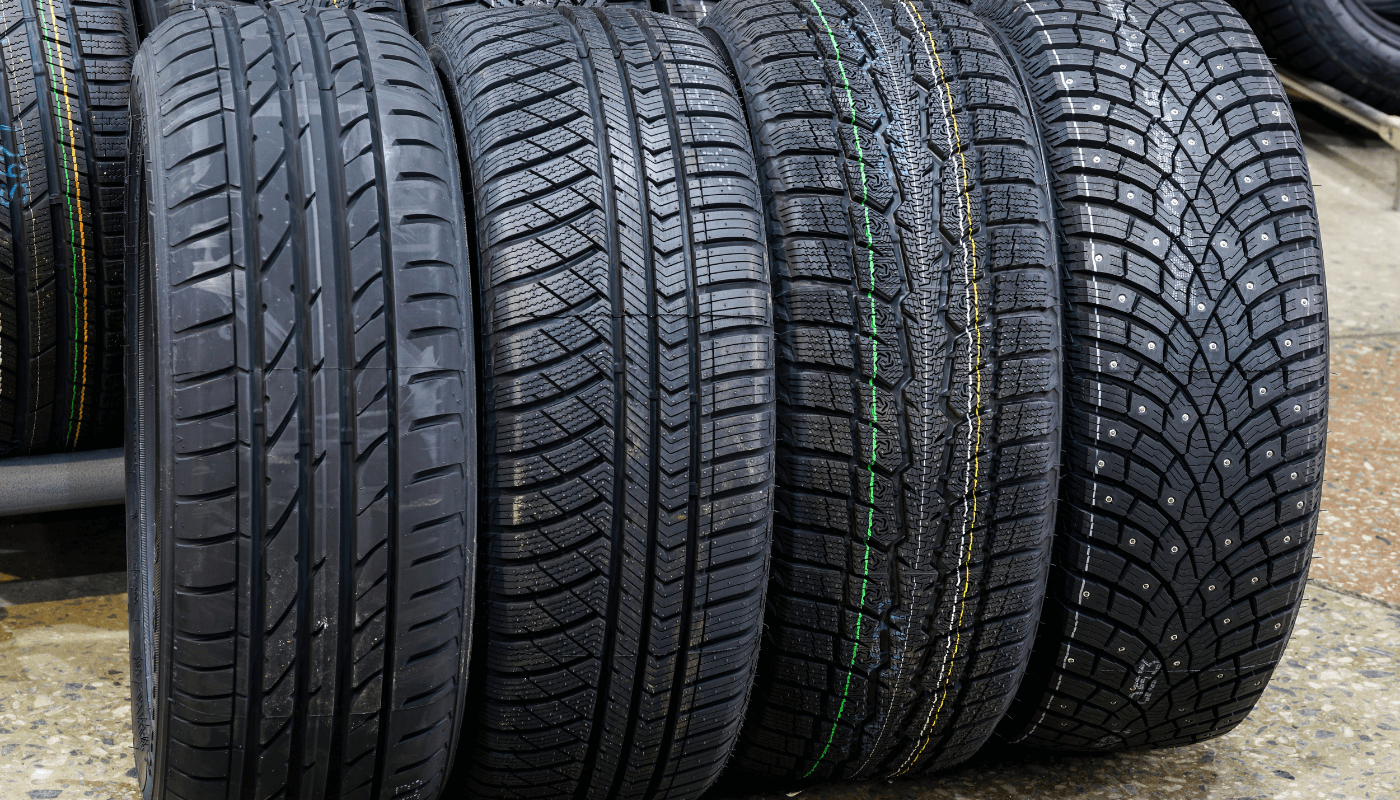
Cargo tires have tread patterns designed to offer optimized grip in various driving conditions, from dry asphalt to wet or uneven surfaces, improving safety and fuel efficiency.
How to choose the ideal cargo tires for your operations?
Assess the needs of your operation
First of all, understand the specifics of your operation. This includes types of cargo, distances traveled, road conditions and periods of peak demand.
Analyzing these factors is essential to determine the type of cargo tire that best meets your needs, ensuring that it withstands the operation's daily challenges without compromising safety or efficiency.
Consider the maximum load and speed limit indexes
Each cargo tire comes with load and speed indexes that indicate its maximum capacity.
Choosing a tire with the appropriate index for the weight and operating speed of your vehicles is essential to avoid overloads and ensure a safe operation.
Otherwise, by disregarding these indexes, you may end up with tires that show premature wear and increase the risks of failures and even accidents.
Know and assess the tire's characteristics
The tire's characteristics, such as rubber composition, tread pattern and reinforced structure, should be analyzed in your research when purchasing new tire models.
Tires with high-quality rubber compounds and tread patterns adapted to operating conditions offer better grip, durability and puncture resistance.
Understand tire usability in different climate conditions
For operations that take place in regions with wide climate variation, it is vital to choose tires that perform well in both dry and wet conditions, and that are resistant to extreme temperatures.
There is a distinction between all-season tires and tires designed for high or very low temperatures.
In fact, if you identify the need for specific tires for climate variations, the ideal is to have these different models in inventory so that they can be swapped as needed.
Analyze the fuel efficiency offered
In Brazil, new tires carry the INMETRO label (INMETRO is Brazil's National Institute of Metrology), which indicates the tire's rolling resistance level, directly affecting the assets' average consumption of fuel.
Assess the tire's rating in this respect and understand how the tires will be used in your operation. In most cases, it is worth prioritizing tires with lower resistance, as they will increase your savings on fuel consumption.
Consider the tire's treadwear index
A tire's treadwear index is an indicator of its durability, representing the tire's rate of wear over time. The higher the index, the greater the durability the tire is designed for.
By considering this index when choosing cargo tires, you can choose tires that promise a longer useful life under the specific conditions of use of your operations.
How to care for cargo tires?
A series of practices must be followed to keep cargo tires performing properly. Among them, you should regularly check tire pressure to ensure it is within the recommended specifications.
Measuring tire tread depth is also important, as it identifies the tires' level of wear and whether they are approaching the time for retreading or the end of their useful life.
In addition, visual inspection of the tires to detect signs of wear, damage or embedded objects is also important.
Other activities, such as tire rotation, alignment and balancing, are part of a fleet preventive maintenance routine and need to be carried out to help increase durability and improve the conservation of the fleet's tires.
Want to deepen your knowledge and make sure you are choosing and caring for cargo tires as efficiently as possible? Download our free e-book: Tire management guide for fleets (in Portuguese).
Frequently asked questions
What is a cargo tire?
What are the characteristics of a cargo tire?
What are a tire's load and speed indexes?
How do you choose cargo tires for the operation?
How do you care for cargo tires?
// newsletter
Fleet management content, straight to your inbox
Articles on tires, maintenance and fleet operations. No spam.