The importance of tire management for vehicle fleets
 Luiz Felipe 5 min read
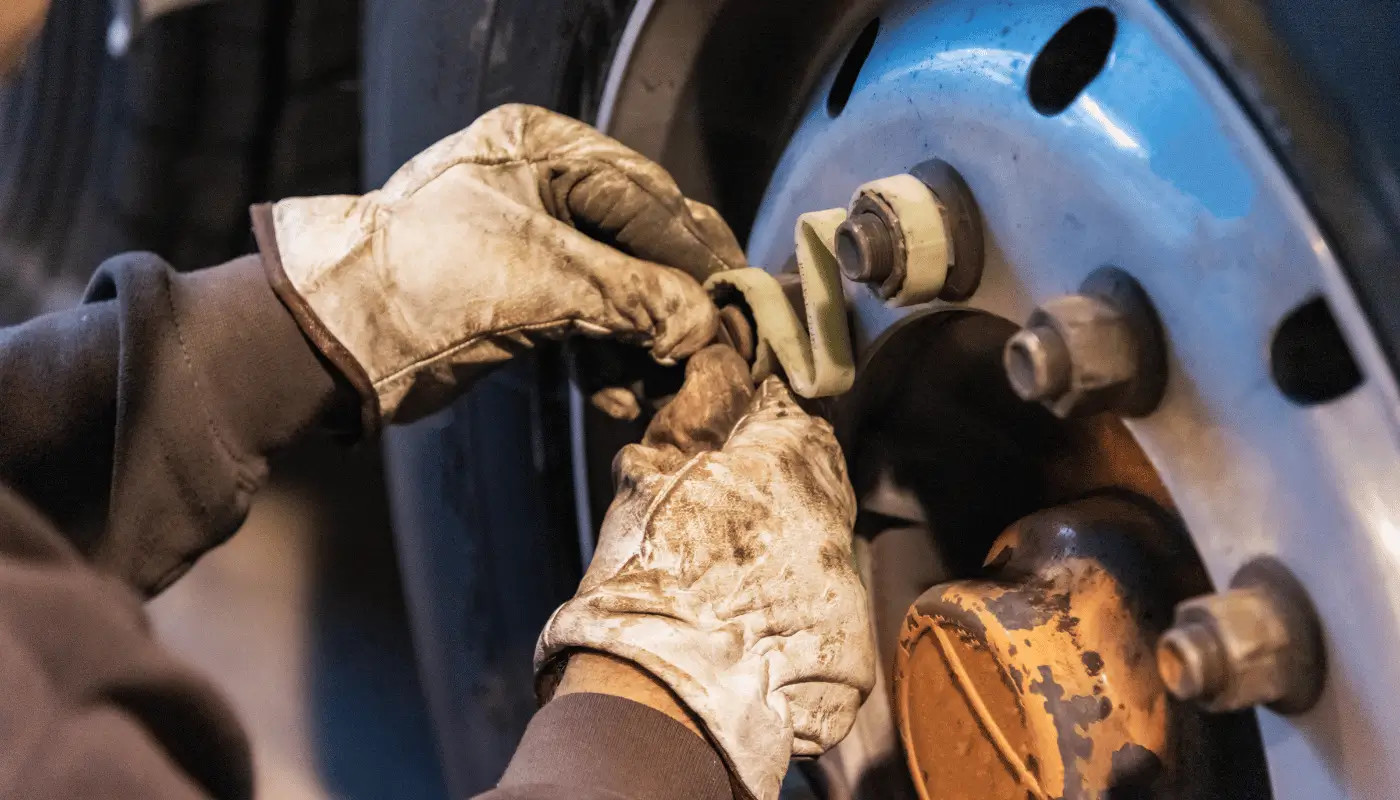
The importance of tire management cannot be underestimated, as it directly affects operating cost reduction, improved safety and increased productivity.
This is because well-managed tires tend to last longer, offer greater vehicle stability, keep fuel consumption at more efficient levels and reduce overall vehicle wear.
To optimize tire management, it is essential to adopt periodic oversight practices, implement an inspection routine and have well-defined processes for maintaining these assets.
Read on:
Why is tire management important?
Increase visibility into tire conditions of use
Efficient tire management provides a broad view of each tire's conditions of use in the fleet, allowing you to make informed decisions about when a tire needs to be replaced, inflated or retreaded.
By using tire management technologies, such as the electronic tread probe and a management system, it is possible to record calibration measurements taken during inspections, keep track of pressure changes over a period and measure tread depth, which indicates average tire wear.
This information helps assess the performance of different tire makes and models under various conditions of use, such as urban journeys or long-distance routes.
Identify tires offering the best value for money for operations
Proper tire management involves assessing various makes and models to determine which offer greater durability and lower maintenance costs based on the fleet's specific operating conditions.
In general, the best-value tire is the one that can meet the operation's demands while maintaining a good cost per kilometer, corresponding to good durability for the operation's use. This can be measured by each tire's CPK (Cost per Kilometer) performance indicator.
This selection process should consider factors such as the type of cargo transported, distances traveled, road conditions and even typical weather variations on the routes used.
Using historical data and performance analyses, you can establish wear patterns and adapt tire selection to improve savings and operating efficiency.
Control and reduce fleet operating costs
The importance of tire management is closely associated with reducing tire purchase costs. And yes, good management helps optimize the budget at this stage.
Through detailed tire performance analysis and assessment of cost per kilometer (CPK), it is possible to identify models offering the best economic return and direct investment toward the most efficient tires.
Furthermore, by better controlling tire conditions and avoiding excessive or uneven wear, it is possible to extend tires' useful life through retreading before buying a new tire.
Cost reduction is not limited to tires, but extends to fuel consumption and vehicle maintenance expenses.
Tires kept at proper calibration and in good condition contribute to vehicle stability by better absorbing road impacts, reducing the need for frequent maintenance and preventing accelerated wear of critical vehicle components.
Regarding refueling expenses, correctly inflated tires help maintain fuel consumption efficiency, reducing losses associated with inadequate pressure and the related operating costs.
Avoid retread rejection and generate better ROI for the fleet
Identifying the ideal time for tire retreading, before tires reach a state of wear that prevents reuse, is a fundamental part of fleet tire management.
By acting before tires reach a level of wear that prevents reuse, you avoid tire rejection for retreading, allowing better reuse in fleet operations.
Rejection generally occurs when tires are already in severely degraded condition, representing a greater safety risk.
By allowing a greater number of retreads, tire use is prolonged and, given that retreading costs less than buying new tires, the return on investment in these assets increases.
Provide safer vehicle operation
The main aim of the tire care routine is to ensure tires run in suitable conditions, without excessive wear or apparent damage and with correct calibration.
This attention prevents imbalances and reduces risks associated with poorly maintained tires, especially in operations facing impacts, potholes and varying loads.
Worn or incorrectly inflated tires can lead to serious road accidents, putting drivers at risk.
That is why tire management matters: it ensures all fleet tires always comply with the recommended technical specifications.
This includes maintaining adequate grip, stability and safe performance while running, regardless of weather conditions or road characteristics.
How can you carry out and optimize fleet tire management?
With proper practices and technology, it is possible to extend tire useful life, improve vehicle performance and ensure a more economical and safer operation.
Here are some fundamental strategies for achieving these goals:
- Tire inspection routine
Tire pressure and tread depth need to be checked periodically, allowing adjustments and preventing failures. This can be done using an electronic tread probe that records both pieces of information during an inspection performed by a person.
As a starting recommendation for the fleet routine, pressure can be measured every 7 days and tread depth monthly.
However, it is important to keep a close eye on the data and understand how best to adjust the inspection schedule, as some tire models may hold pressure better.
This can extend the inspection interval to 15 days. At the same time, some models may wear faster, requiring more frequent tread depth checks, also every 15 days, along with a visual assessment of signs such as uneven wear, smooth areas or apparent damage.
- Driver education and training
Drivers should be trained on the importance of keeping tires in good condition and how to perform basic pressure and wear checks.
Regular training and reference materials can help drivers identify signs of uneven wear or issues requiring immediate attention, ensuring tires are properly maintained between scheduled inspections.
- Tire management and maintenance policies
These policies should include guidelines on inspection frequency, tire replacement and retreading criteria, as well as procedures when issues are detected.
Establishing standards based on manufacturers' recommendations and industry best practices can help maintain consistency and reliability in tire maintenance. Pressure, tread depth, tire rotation and alignment are among the central aspects of a tire care routine.
- Tire management system and data analysis
Implementing a tire management system that integrates inspection data collection, maintenance history and analysis is essential for optimized management.
These systems allow recorded tire conditions to be kept track of over time and help plan maintenance needs before larger problems arise.
Analyzing data collected over time can reveal trends and patterns that guide the optimization of maintenance routines and the selection of tires better suited to the fleet's specific conditions of use.
Ready to improve tire management and maximize operating efficiency? Book a demonstration with us to discover the ideal solution for your fleet.
Frequently asked questions
My tires are not lasting as long as they should. What should I investigate first?
How can you reduce a fleet's tire cost per kilometer?
What should you look for when choosing a tire management system?
Which tire offers the best value for money for my operation?
How often should tire pressure and tread depth be measured?
How can you avoid tires being rejected for retreading?
// newsletter
Fleet management content, straight to your inbox
Articles on tires, maintenance and fleet operations. No spam.