Tire treadwear: what is it and what is it for?
 Luiz Felipe 3 min read
The treadwear rating serves to guide consumers when choosing which tire to buy. It also plays an important role in keeping track of wear on fleet assets.
Depending on road conditions and how the driver drives, wear can occur faster, increasing the chances of accidents and fines. It is therefore important to check the rating and understand which measure best matches your operation’s needs. Keep reading to understand:
- What is the treadwear rating?
- What is the treadwear rating for?
- How can you keep track of the treadwear rating?
What is a tire’s treadwear rating?
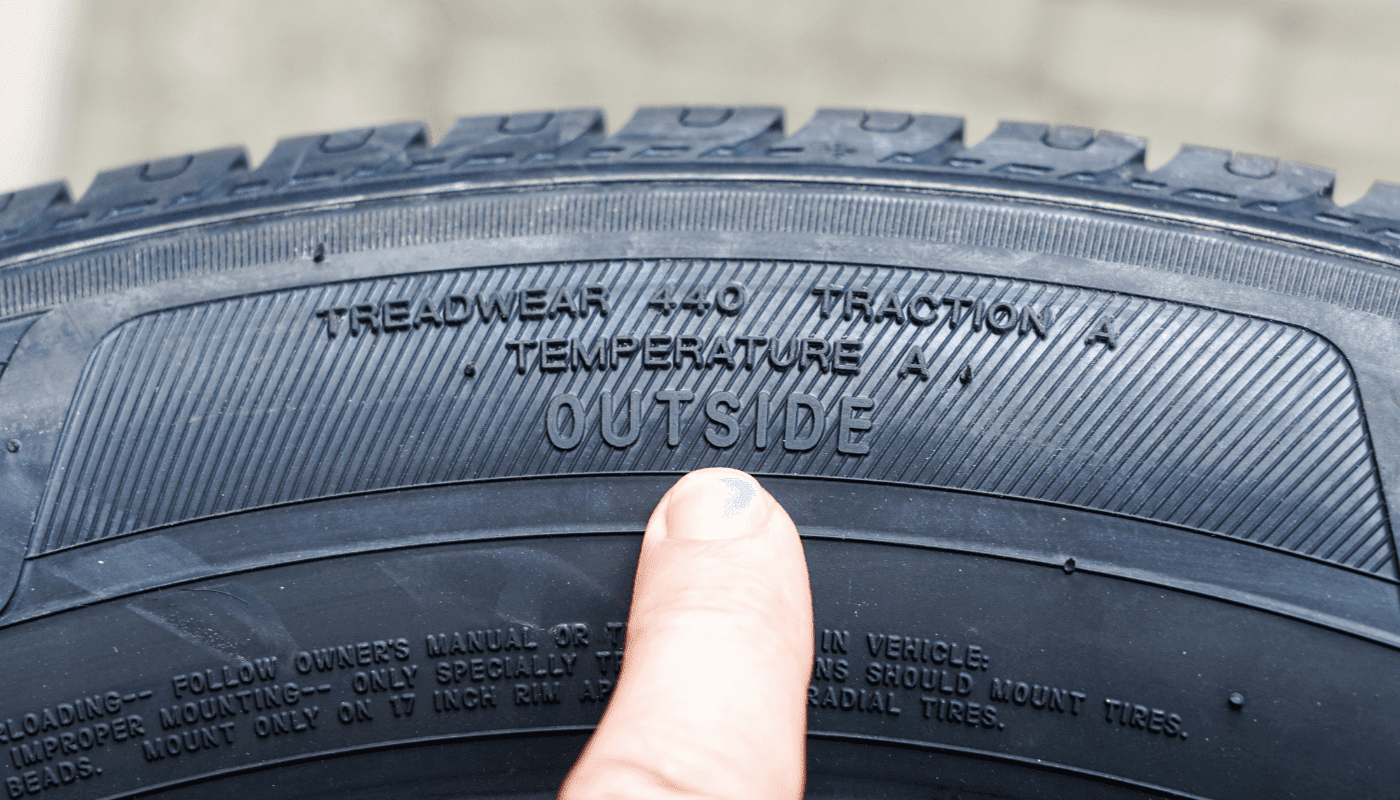
The treadwear rating is an indicator showing a particular tire’s resistance to wear over its time in use. On the tire’s sidewall, you can find the word “treadwear” with a number next to it, starting at 60.
As a general rule for reading this rating, the reference value is 100. A lower number indicates lower relative wear resistance; a higher number indicates higher relative resistance, always within the criteria used in that tire’s evaluation.
The reverse also applies: the higher the rating, the greater the expected durability tends to be. A tire with a treadwear rating of 600, for example, tends to last longer than low-rated models when compared under equivalent conditions.
This rating is generally defined in tests under controlled conditions:
Tires are tested and compared with one another for their rubber wear rate, maintaining running criteria that help evaluate material behavior and determine the value more consistently.
What is the treadwear rating for?
Its primary objective is to identify the tire wear rate. This contributes, for example, to estimating the average mileage covered by each asset.
Although it is useful information, it is worth remembering that this rating should not be the sole criterion for fleet tire purchasing decisions.
This is because performance varies by manufacturer, as well as the driver’s driving habits and the types of ground the truck travels on. The materials used to build the tire, and their quality, also influence how long it takes the tire to wear.
Sometimes a tire rated 100 from one make can last longer than one rated 200 from another.
The reason is that the comparison parameters are not always the same. Each company evaluates in its own way, so comparisons between makes need to be made carefully.
When buying fleet tires, you must consider the vehicle type and your operation’s routes. This way, you can prioritize assets with more suitable ratings that provide greater tire durability.
How can you keep track of the treadwear rating?
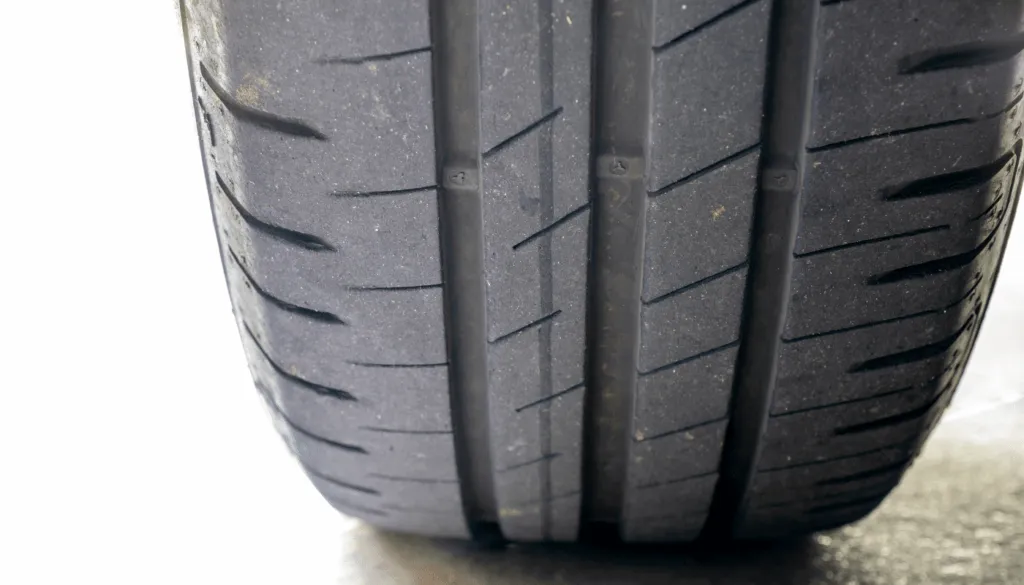
To do so, it is indispensable to mention the TWI. It is through this indicator that you can keep track of day-to-day tire wear. The TWI, also called the “tire wear indicator,” is a marking on the tire’s tread, located at exactly 1.6 mm depth in each groove.
As soon as this marking is reached, it means the tire is no longer fit to keep running and must be replaced. If you keep the tire on the vehicle anyway, you will soon have bald tires in your operation.
This means trouble, causing hydroplaning and a slow response to braking commands, among other consequences.
You can also make TWI checks easier by using modern technological tools, such as an electronic tread probe. This device works in a practical way, reporting the depth of all the tire’s grooves in a few seconds.
When the data is entered into a tire management system, the information is interpreted and generates reports showing the wear level of each asset and offering some suggestions for what you can do to improve tire performance.
Learn even more about keeping track of tire wear and analyzing the treadwear rating of each make and model using Prolog App in your operation — get to know our electronic tread probe and tire management system.
Frequently asked questions
What is a tire’s treadwear rating?
What is the treadwear rating for?
Is the treadwear rating the same across all tire makes?
How can you keep track of tire wear day to day?
// newsletter
Fleet management content, straight to your inbox
Articles on tires, maintenance and fleet operations. No spam.