What are the best parameters for tire inspection?
 Jean Zart 4 min read
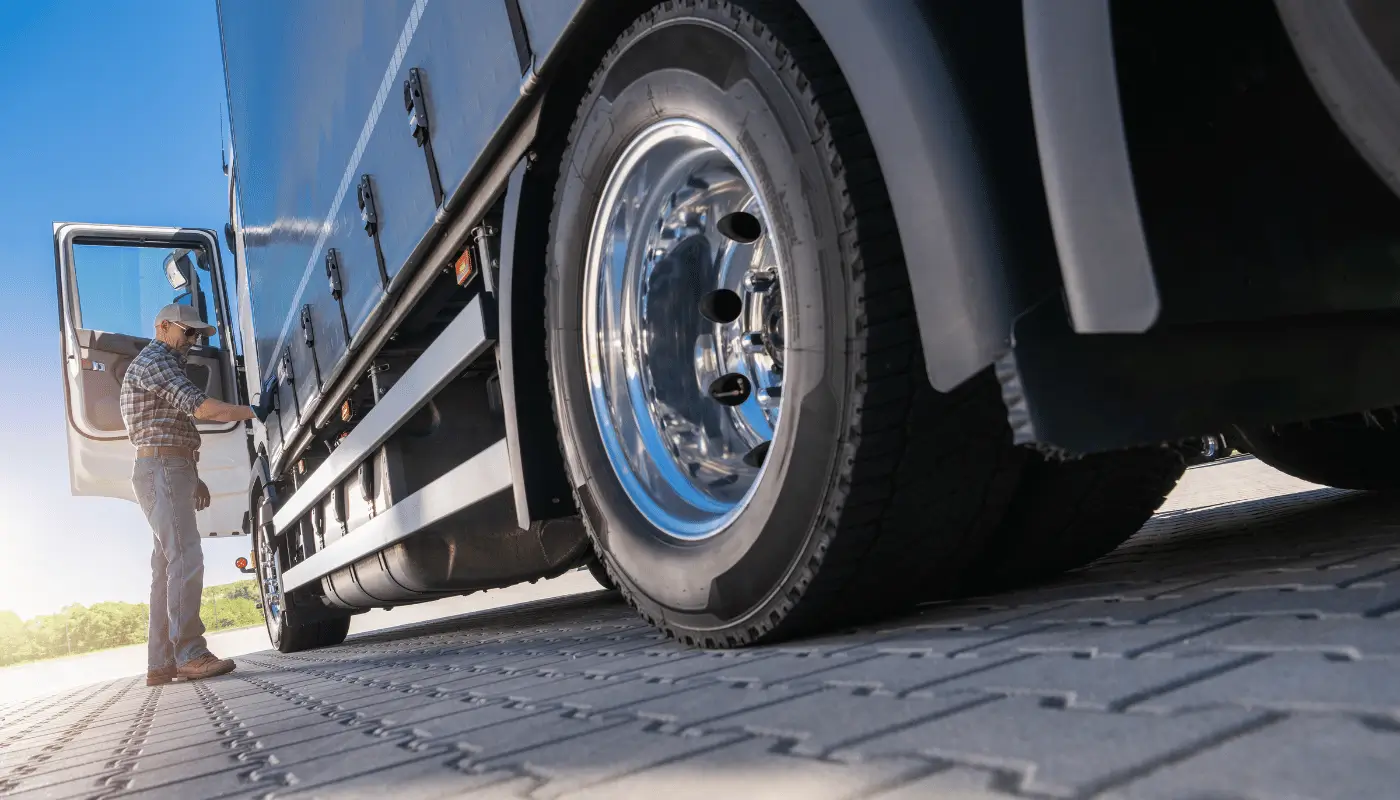
Keeping fleet tires in good condition is essential, but many managers still struggle to define ideal inspection parameters, especially when dealing with different load types and road conditions.
Below, we explain in detail how to address these issues in a practical and effective way:
- What are the best parameters for tire inspection?
- How do you adjust parameters to the load and road type?
- Practical tips for adjusting and tracking parameters
What are the best parameters for tire inspection?
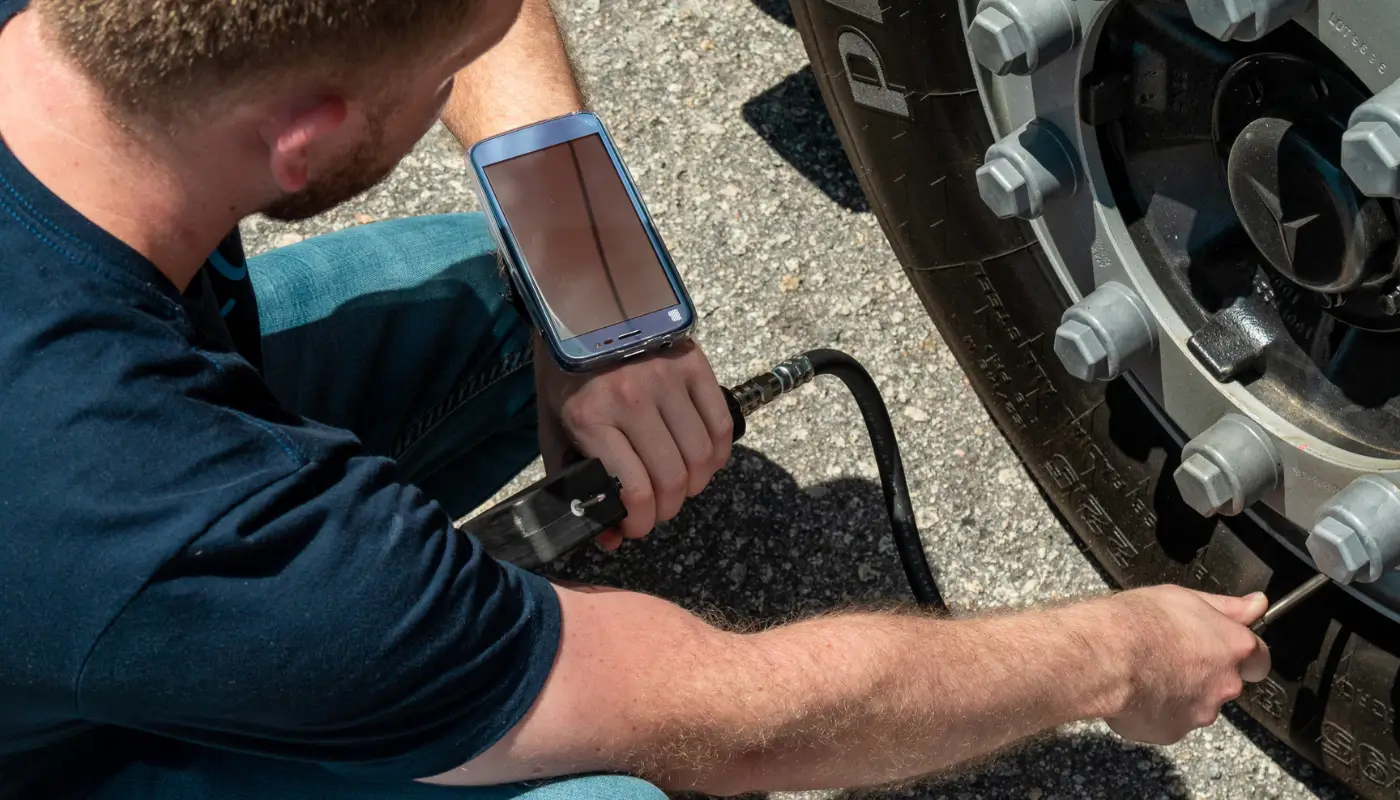
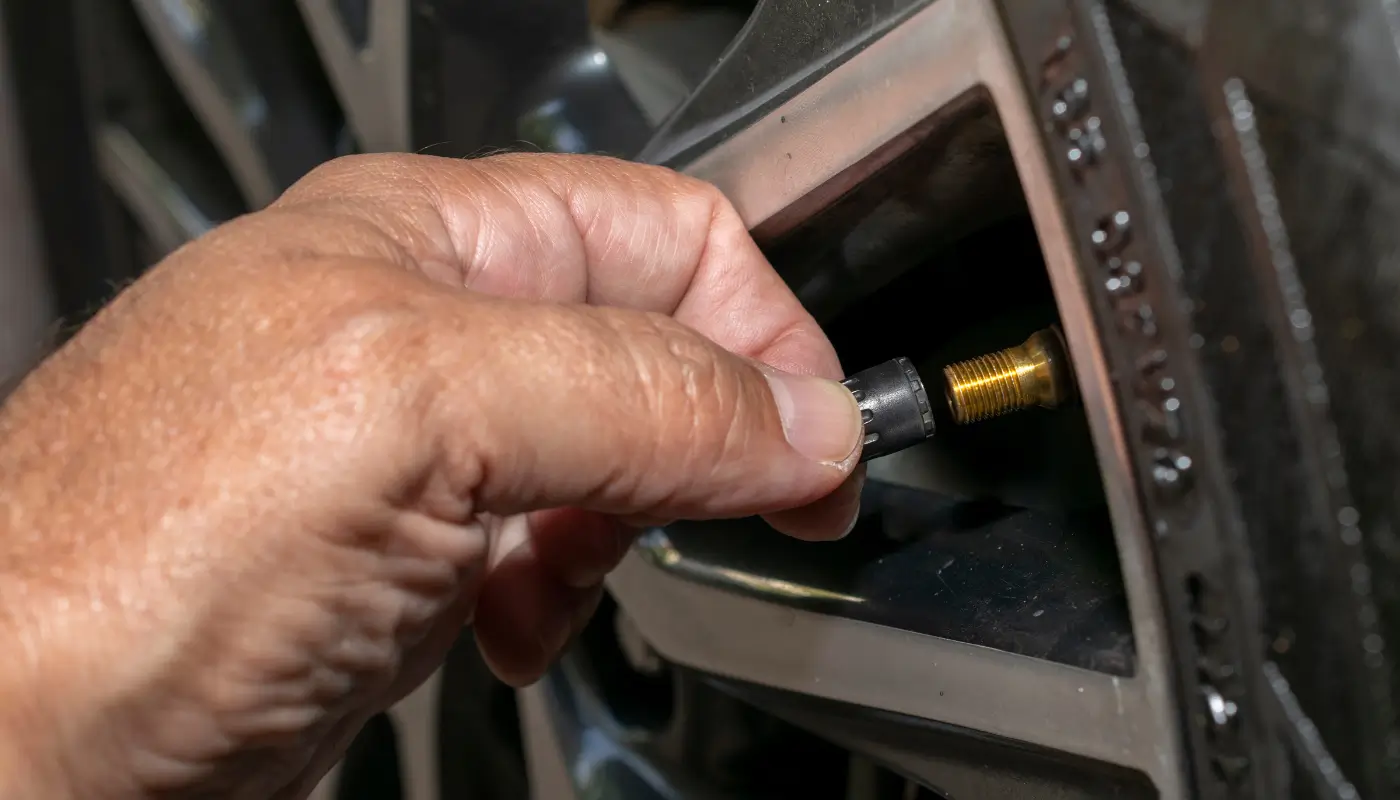
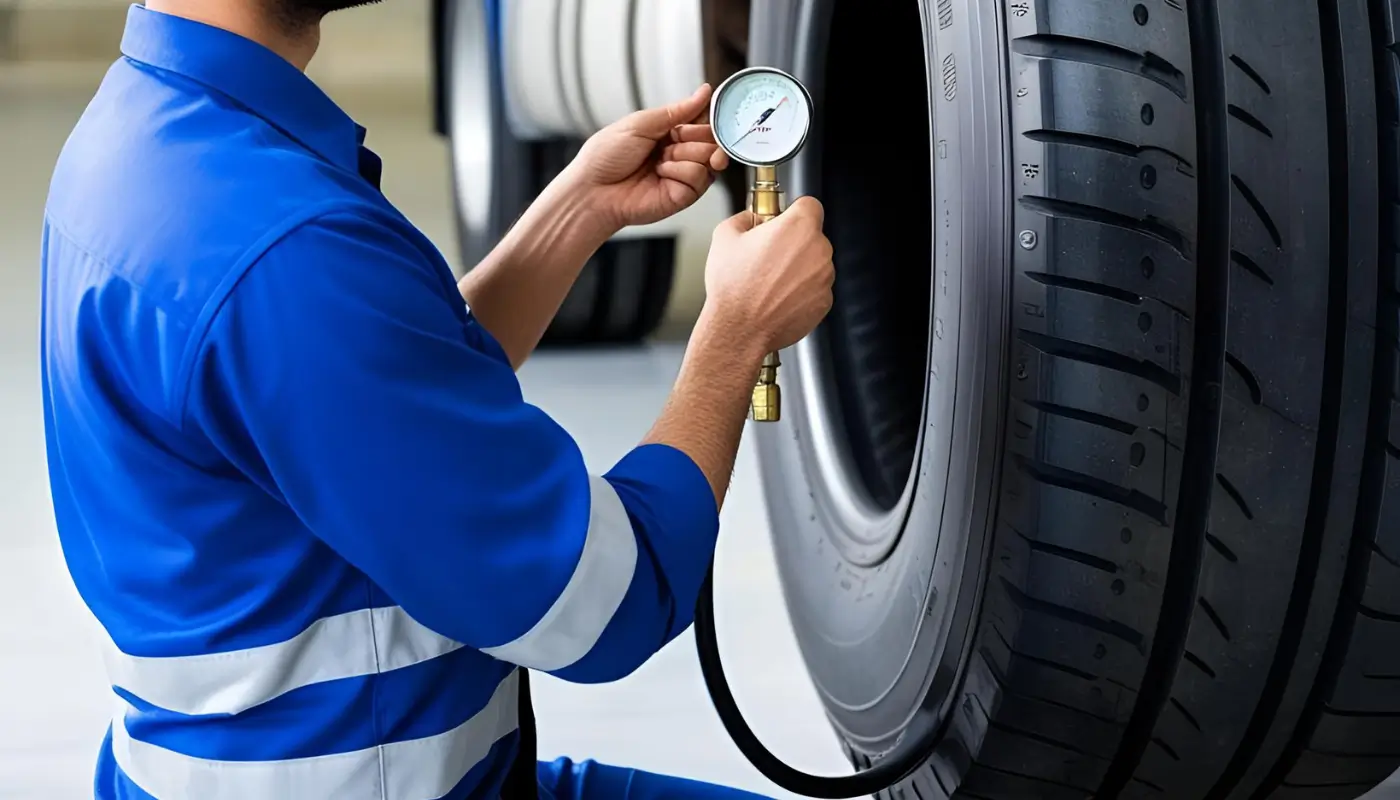
Among the most important is calibration pressure, which measures the amount of air inside the tire and is expressed in PSI (pounds per square inch). Pressure must be checked with a suitable gauge because incorrect pressure can cause uneven wear, increased fuel consumption, and safety risks.
Another parameter is tire tread depth, meaning the depth of the grooves on the tire's surface. The grooves are an important part of grip, especially in adverse conditions such as wet roads. When depth reaches 2/32 of an inch, a reference equivalent to about 1.6 mm, it is time to seek an assessment or replacement.
It is also important to track uneven wear, which can indicate issues with weight distribution or vehicle alignment, directly affecting tire performance. Misaligned wheels, for example, can accelerate uneven tread wear.
How do you adjust parameters to the load and road type?
Every operation has its own particularities, and adjusting parameters to the conditions is essential for good performance. Here are some examples:
- Unpaved or uneven roads
Ideal tire pressure varies according to the application, load carried, and manufacturer's recommendation. Therefore, the first reference should be the recommended pressure in the vehicle manual or on the label indicated by the manufacturer, rather than a single rule based only on the tire sidewall.
When the operation involves a long trip, a heavy load, a trailer, or more demanding terrain, check pressure before leaving and do so with cold tires, meaning after the vehicle has been stationary for the recommended measurement period. Tire sidewall markings help you understand usage limits, but should not be treated as an automatic calibration recommendation for every situation.
- Uneven or poorly distributed loads
Before adjusting tires, ensure correct weight distribution in the vehicle. Balance the load appropriately to avoid overloading one side of the truck, which can lead to uneven wear.
It is important to emphasize that, although there are good practices for these adjustments, tracking tire data regularly is essential. Using tools such as electronic measuring devices helps identify pressure variations, uneven wear, and other indicators that can point to the need for additional adjustments.
After all, not all conditions are predictable, and each operation can present unique challenges.
Therefore, the key is to carry out frequent inspections, record tire conditions, and watch for any signs of abnormal performance. With this constant oversight, it is possible to correct deviations before they generate high costs or compromise safety.
Practical tips for adjusting and tracking parameters
Carry out regular inspections
Frequent tire inspections help identify issues before they become critical, such as uneven wear, cuts, or incorrect pressure.
This practice is essential to avoid failures that could affect safety and increase operating costs. Use electronic checklists or specific tools to document each inspection and maintain a detailed tire history. As a minimum routine, it is worth checking pressure, tread depth, tire rotation, and alignment as key aspects of ongoing maintenance.
Use technology to your advantage
Adopting technological tools, such as electronic measuring devices and tire management systems, simplifies parameter tracking.
These resources enable quick, accurate inspections and organize records on a centralized platform. This allows managers to view trends, identify deviations, and make informed decisions faster.
Establish a preventive adjustment schedule
In addition to tracking parameters, it is essential to have a preventive adjustment schedule aligned with route conditions and the fleet's operational demands.
For example, before long trips, heavy-load transport, or operations on adverse terrain, check calibration and the tires' general condition, and adjust parameters according to the manufacturer's recommendation and usage conditions. This practice reduces the risk of unexpected stops and optimizes tire performance over time.
Keeping your fleet's tires in ideal condition goes far beyond basic maintenance. Correct parameter adjustment can generate savings and improve your overall operational efficiency.
Want to explore tools that make tire control and management easier? Schedule a free demonstration and discover how to optimize your operation with Prolog's solutions!
Frequently asked questions
I do not know what pressure to use for tires on dirt roads. How do I decide?
My tires are wearing unevenly. What does this usually indicate?
How often do I need to inspect fleet tires?
What should I look for when choosing a tool to manage tire inspection?
Is it worse to set pressure above or below the recommendation?
// newsletter
Fleet management content, straight to your inbox
Articles on tires, maintenance and fleet operations. No spam.