Tire inspection: what to check, from pressure to tread depth
 Jean Zart 7 min read
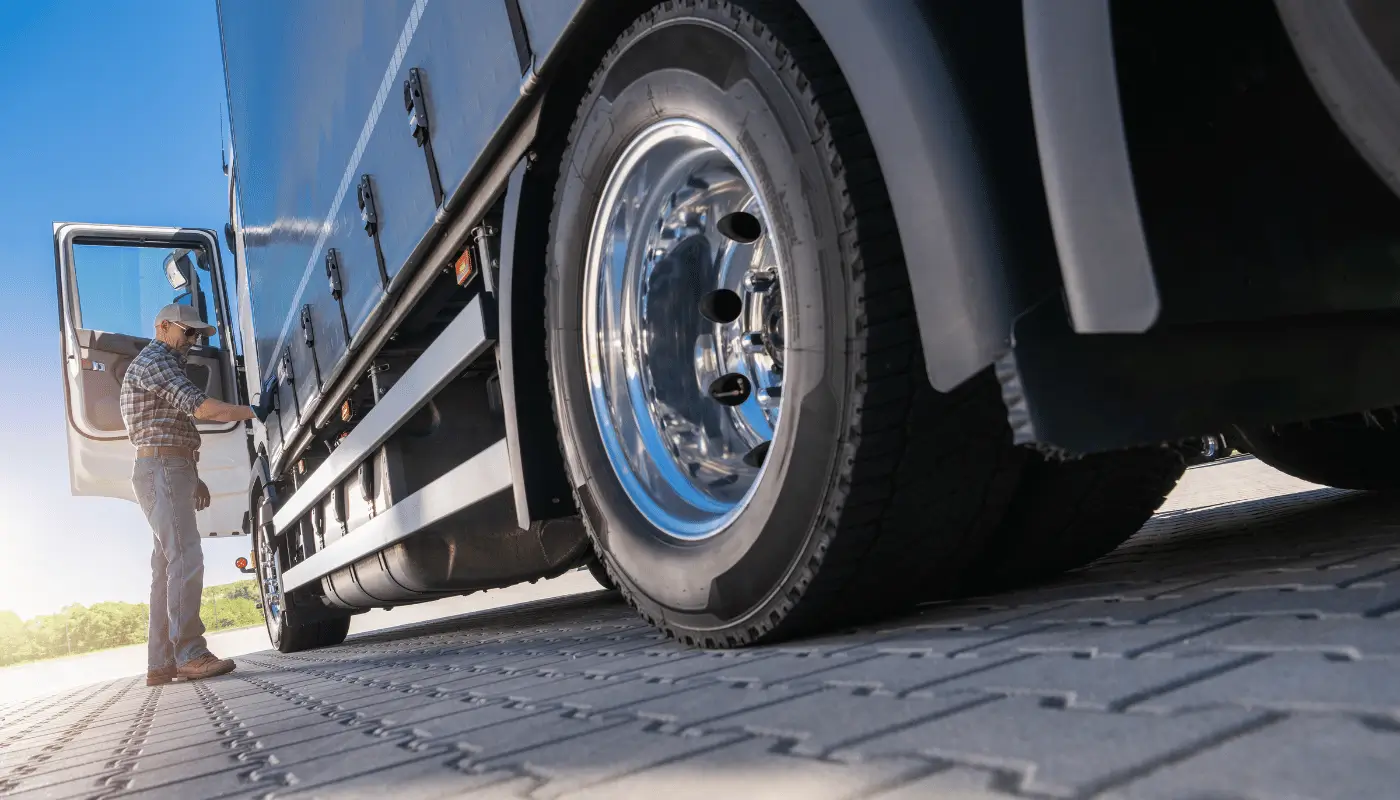
Regular tire inspection is a practice that involves checking and assessing the condition of the tires, including pressure, tread depth, even wear and the presence of visible damage.
It serves to keep tires in ideal performance conditions, ensuring transport safety and savings on fuel and maintenance costs.
What is tire inspection?
Tire inspection is the process of checking and assessing the condition of a vehicle's tires.
In it, aspects such as pressure, tread depth, even wear, the presence of visible damage (such as cuts, punctures or bulges) and wheel alignment are analyzed.
The main goal of tire inspection is to ensure that the tires are in good working condition, providing safety, efficiency and ideal performance to the vehicle.
Importance of regular tire inspection
Tires in good condition are essential for transport safety, and regular inspection of these assets helps identify and remedy issues such as irregular wear, cuts, bulges or punctures, which can lead to more serious failures, such as blowouts or loss of traction.
Another point that reinforces the importance of tire inspection is that maintaining adequate pressure reduces rolling resistance, improving fuel efficiency.
The vehicle's overall performance, including braking capacity, stability and the ability to maneuver the vehicle, also depends largely on the condition of the tires.
Worn or damaged tires can compromise these characteristics, making driving harder and less predictable — and periodic inspection keeps tires from reaching this poor condition.
In addition, regular tire inspection contributes to sustainability by ensuring that tires are replaced only when necessary, reducing waste and environmental impact.
Identifying and correcting issues in advance prevents expensive repairs and extends the useful life of the tires, resulting in operating cost savings for the operation.
What is the right frequency for inspecting tires?
The ideal frequency for inspecting tires can vary depending on the vehicle type, the conditions of use and the manufacturer's recommendations. However, there are some general guidelines that help define a tire inspection schedule in the fleet:
Weekly inspection
At least once a week, you need to carry out the inspection of the tires' internal pressure to record it and assess whether calibration is needed.
It is also recommended to look for visible damage on the outer rubber, preventing cuts, holes and bulges from disrupting the progress of operations.
Monthly inspection
In the monthly inspection, you need not only to assess the pressure and carry out a visual inspection of the tires, but also to measure the tread depth to understand the level of wear and check whether it is even.
Before long trips
Regardless of the regular frequency, a complete tire inspection before any long trip is necessary.
This ensures that the tires are in ideal condition to withstand longer distances and varying road conditions, increasing safety during the trip.
Preventive maintenance according to the manufacturer's manual
The owner's manual usually provides specific guidelines on how often to inspect and maintain the tires, adapted to the model and type of use of the vehicle. Following these recommendations helps keep ideal running conditions for longer.
Specific conditions
If the vehicle operates in severe conditions, such as rough terrain, extreme weather or constant heavy loads, inspections should be more frequent and detailed.
In these situations, the tire may suffer more impacts and damage, so it is essential to check wear regularly in order to take the necessary corrective measures.
How do you carry out regular tire inspection?
Define and follow a tire inspection schedule
Establishing an inspection schedule is essential to ensure that tires are checked regularly.
Include weekly and monthly inspections and inspections before long trips, and adjust the frequency of inspections according to the specific conditions of use and the manufacturer's recommendations.
A well-defined schedule helps keep tires in ideal condition, preventing issues and ensuring the vehicle's safety and efficiency.
Use a reliable tire inspection tool
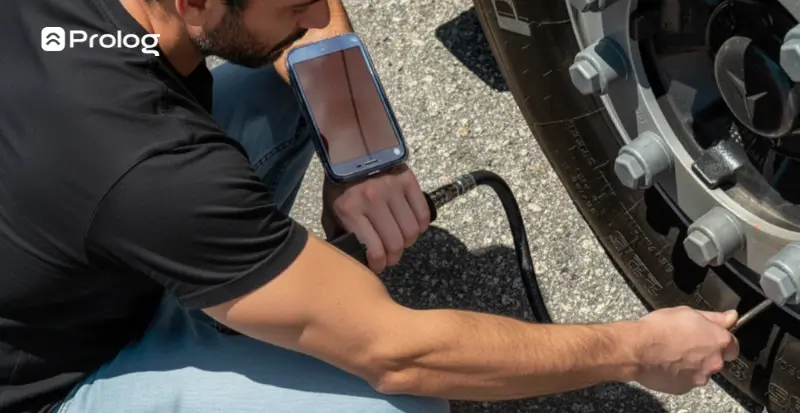
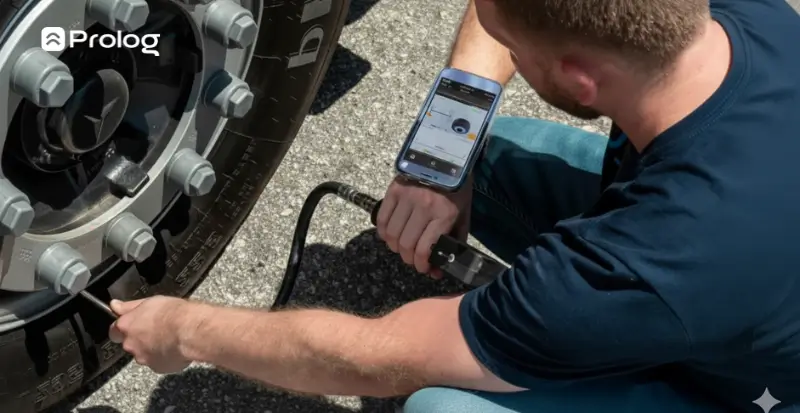
Using reliable tools ensures accurate inspections. An electronic tread probe, such as Prolog's, makes it possible to carry out inspections and generate highly reliable data.
Additionally, if you choose more modern digital tools, you can also get benefits such as data being sent automatically to control systems.
View this post on Instagram
(video in Portuguese)
Record and keep track of data in a tire management system
Recording all the information collected during inspections in a tire management system is essential to keep track of the condition of the tires over time.
An efficient management system allows detailed data to be entered on pressure, tread depth, wear and any damage detected.
Keeping track of this data helps identify wear patterns, predict the useful life of the tires and make informed decisions about maintenance and replacement.
Make adjustments as needed
Based on the data collected and recorded, it is important to make adjustments as needed to keep the tires in ideal condition.
This may include correcting tire pressure, carrying out tire rotations to ensure even wear, correcting alignment and balancing issues, and replacing damaged or excessively worn tires.
Regularly reviewing the data and adjusting maintenance practices as needed helps prevent bigger issues and optimize tire performance.
What should we check on the tires?
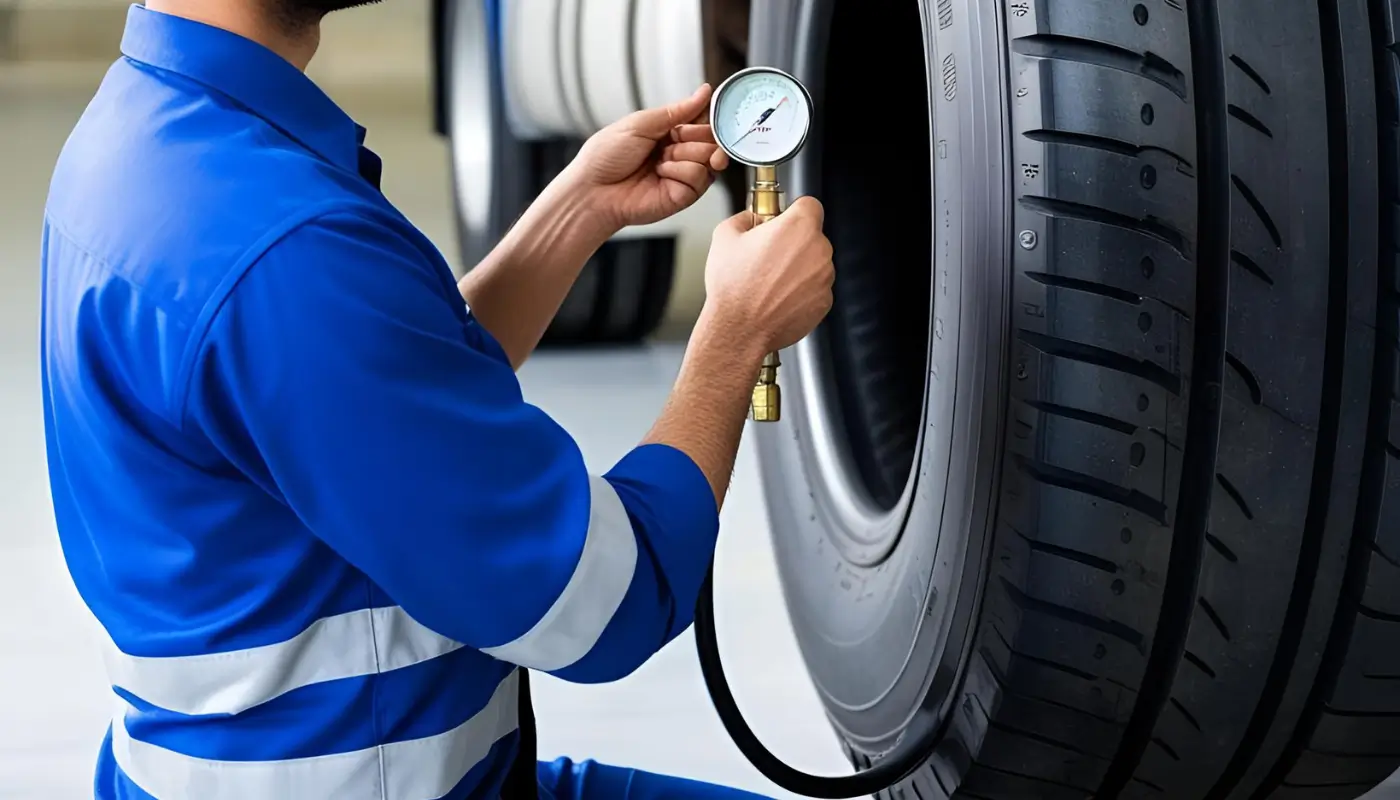
Check tire pressure
Use a reliable tire pressure measuring device, such as Prolog's, and make sure the tires are cold before measuring the pressure.
Compare the measured values with the manufacturer's recommendations or with the values already established for the tire model used, and adjust the pressure as needed.
Inspect the assets visually
Examine each tire for cuts, bulges, punctures or objects stuck in the tread. Also check for signs of irregular wear, which may indicate alignment or balancing issues.
Measure tread depth
Using a tread depth measuring tool helps determine the level of wear of the tires' tread. A tread depth of less than 1.6 mm (the limit set by law in Brazil) indicates that the tire must be replaced.
Check for even wear
Irregular wear can be a sign of improper alignment, balancing issues or damaged suspension.
If the tires show irregular wear, it is essential to correct the cause and consider replacing the tires, if necessary.
Inspect valves and caps
Tire valves should be inspected to ensure they are not damaged or corroded. They should also be present and properly tightened to prevent the entry of dirt and moisture, which can cause air leaks.
Valves and caps in good condition help maintain proper tire pressure and prevent depressurization issues.
Check tire rotation
Rotating tires between the different positions on the vehicle distributes wear more evenly, and this activity should be carried out approximately every 10,000 km driven.
Alignment and balancing
Misaligned or unbalanced tires can cause irregular wear and make driving less comfortable and safe. Adjust the alignment and balancing of the tires as needed.
Signs of aging
Check the tires for signs of aging, such as cracks or hardening of the rubber. Even if the tread depth is still within the limit, aged tires may be less safe and efficient.
When do I need to calibrate the tires?
In general, the recommendation is to calibrate the fleet's vehicle tires at least once a week. In addition to this recommendation, some others you need to be aware of include:
- Before long trips: make sure the tires are at the correct pressure before taking on a long stretch of highway.
- When there are sudden temperature changes: the variation between heat and cold can affect tire pressure.
- After impacts, preventive services or repairs: these situations can reduce tire pressure, and making adjustments at this point is important.
What tools and technologies should be used in regular tire inspection?
TPMS
Tire pressure monitoring systems (TPMS) are installed directly in the tires and continuously monitor pressure, providing real-time data.
When a tire's pressure falls below or rises above the recommended levels, the TPMS sends an immediate alert to the driver on the vehicle's dashboard.
Electronic measuring device
An electronic measuring device offers fast and reliable readings, making it easier to adjust the pressure as needed. In addition to measuring tire pressure, some advanced models, such as Prolog's, can also measure tread depth and detect other issues.
(video in Portuguese)
Tire management system
With a tire management system, it is possible to keep track of the condition of the tires over time, identify wear patterns, predict the useful life of the tires and make informed decisions about maintenance and replacement.
Prolog App, for example, makes it possible to record detailed data on tire pressure and tread depth — sent directly through the connection with the electronic tread probe — as well as wear and any damage detected.
Get to know our solution even better in a free online demo. Book it now.
Frequently asked questions
How often should tires be inspected?
When is it time to replace a tire because of tread wear?
When should I calibrate the fleet's tires?
What exactly should be checked on each tire?
How often should tires be rotated?
Why record tire inspection data?
// newsletter
Fleet management content, straight to your inbox
Articles on tires, maintenance and fleet operations. No spam.