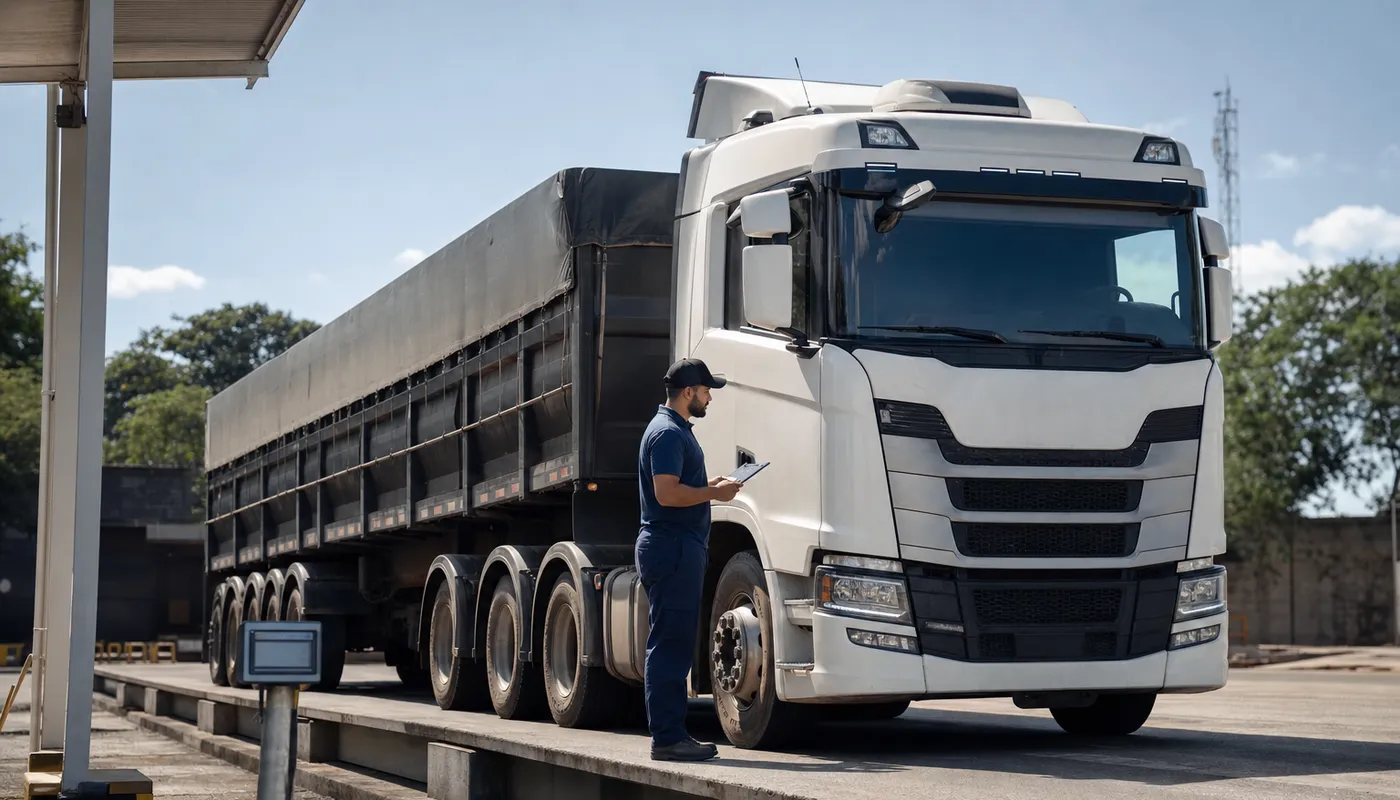
Fleet idle time: how to measure and reduce downtime
 Jade Zart 4 min read

Fleet idle time is a common problem in many transport operations, but little is known about what is needed to reduce and prevent it.
Idle time is simply a period when a vehicle is stopped but still generates costs for the company. This can happen in a situation such as this: a vehicle developed a fault and had to be sent for repair, but approval of the quote is taking a long time.
To avoid this idle time, you need good planning and a standardized routine in your fleet. Read on:
- What fleet idle time is;
- How to measure fleet idle time;
- How to avoid fleet idle time;
- The impacts of an idle fleet;
- How to increase fleet productivity.
What is fleet idle time?
Fleet idle time occurs when vehicles are stopped in the parking lot or workshop, unavailable for use.
Another situation considered vehicle idle time is when a vehicle drives a route without a load.
What causes fleet idle time?
It is generally a problem caused by mechanical failures in the vehicle, but can also result from a truck not being released or there being no need to use the vehicle — when the fleet has more vehicles than demand.
The major factor that really turns idle time into a problem is a lack of analysis and planning.
If there are more vehicles than demand in the operation, this represents a waste of money and resources that could be allocated to other purposes.
When many vehicles are stopped awaiting repair, the problem lies in the maintenance plan and routine, where daily inspections have probably been neglected, as have preventive services.
The third scenario is driving an empty vehicle, which normally happens when a route is planned only around the outbound delivery trip. It is important to consider that the vehicle's return to the operations center should also be used, whether to collect raw materials, products or other items.
How can you measure fleet idle time?
To measure fleet idle time, you need to identify:
- Which routes and how many are running with an empty cargo body;
- How many vehicles the fleet has available for immediate use;
- How many vehicles are unavailable and how long they have been stopped;
- Which vehicles are available, which are not being used and how long they have been stopped.
Gathering this information will give you a more complete view of how your fleet operates and how you can adjust management processes to improve operational productivity.
How can you avoid fleet idle time?
To avoid an idle fleet, the first step is to discover the reasons why this indicator is high in your operation.
As well as measuring idle time as shown above, you need to know the main cause. Only then will it be possible to find the best solution to reduce idle time in your fleet.
Other actions that help with this objective include:
Implement maintenance management
Maintenance management is an area of fleet management that is becoming essential. It includes activities from the different types of maintenance, always aiming for vehicle durability and upkeep and lower operating costs.
Plan the fleet according to company demand
Before expanding the truck fleet, you need to understand whether this is truly necessary or whether you actually just need to organize your demand and routines better.
Do you really need 2 vehicles, or is optimizing a route enough to let the same vehicle travel out and back with a loaded cargo body? Carry out a detailed analysis before starting to research new vehicle models for your operation.
Define routes more efficiently
Along the same lines, have an overview of what needs to be delivered and collected by fleet vehicles so you can plan well-optimized routes.
What are the impacts of an idle fleet?
In general, there are two main impacts:
- Increased expenses
Even when stopped, a vehicle continues to incur general costs, such as insurance and IPVA, Brazil's vehicle ownership tax. Do not assume it is fine to have vehicles in the parking lot because they are not consuming fuel or wearing out tires.
Even if these amounts represent a small percentage of the fleet budget, they could be better used for fleet safety, efficiency and productivity.
If vehicles are stopped due to a fault or breakdown, there are also the costs of the corrective maintenance that will be needed.
- Vehicle availability
Reduced vehicle availability is the main impact on fleets, as it can disrupt the organization of routines and create problems that go beyond the fleet, such as a delayed delivery and loss of customer trust.
If fleet unavailability is high, it can indicate that you are not carrying out appropriate vehicle management and maintenance management.
How can you increase fleet productivity?
As well as reducing fleet idle time, fleet productivity can be increased through other actions, made possible by organizing processes and routines determined by the fleet manager.
Some important points to consider:
- Carry out vehicle inspections and maintenance and keep them up to date;
- Have good drivers on the team and provide regular training;
- Manage all routes and assess individual performance by vehicle and driver;
- Keep track of performance indicators;
- Keep tire management working.
For more tips and to learn how to generate productivity and savings in your fleet, download our free resource (in Portuguese).
Frequently asked questions
What is fleet idle time?
How can fleet idle time be measured?
What causes fleet idle time?
What are the impacts of an idle fleet?
How can fleet idle time be reduced?
// newsletter
Fleet management content, straight to your inbox
Articles on tires, maintenance and fleet operations. No spam.