Fleet manager: what they do and the skills they need
 Luiz Felipe 4 min read
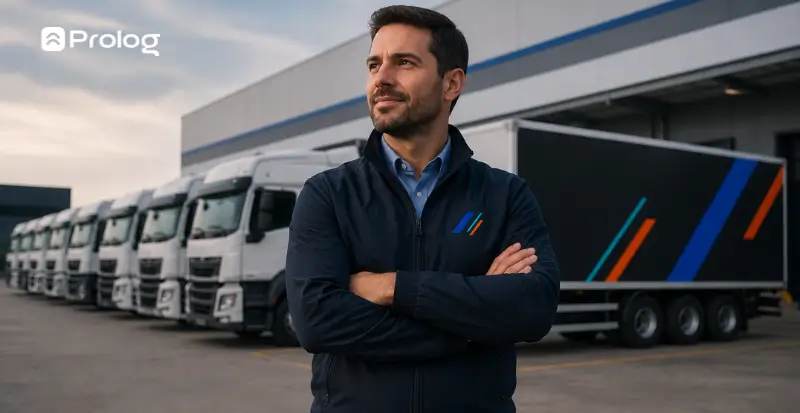
The fleet manager plays a fundamental role in transport companies. Without them, processes are unlikely to work correctly and efficiently.
But of course, they will only be that important if they know what they are doing and have the skills needed to perform this role.
Managing professionals and suppliers, and analyzing and controlling the operations' spending and vehicles, are some of the manager's main duties. Going further, they are also responsible for analyzing data and planning improvement actions in transport operations.
(Video in Portuguese.) Check out what a fleet manager needs to have:
Market knowledge
The first thing that should be on this list is the most obvious, but it should be emphasized. The fleet manager needs to know the market they work in: freight transport and/or passenger transport.
More than just knowing it, you need to keep constantly updating yourself.
Being well informed about trends, legislation and other subjects that can influence fleet productivity is essential.
Equally important is:
Technology knowledge
In the same way that knowing the processes helps you make decisions about how to implement improvements, knowing the technologies, how they work and what they do is fundamental for selecting the best alternatives according to the transport company's needs.
Financial management
Part of the manager's job is to take care of the finances of transport operations, right? Therefore, one skill they should practice is financial management. They should always be seeking new knowledge about the area and controlling costs.
Whether through spreadsheets or systems, the manager needs to know every cent they have available and every cent that was spent. That way, they understand what happens in the fleet and know which paths to take to optimize resources.
All of this means that the fleet manager also needs:
Planning ability
Without it, the actions designed for the fleet will have little basis and efficiency. In fact, it can even lead to decisions with negative impacts. That is something you want to avoid as much as possible.
Sometimes it is necessary to take risks, but everything should follow prior planning, with defined objectives, goals and steps.
For that, an essential skill…
Organization
As mentioned, the fleet manager's responsibilities range across several departments. That is why this professional must have a great ability to organize processes and, even more, to have control over them.
The best way to do this is by creating standards within each department: whether it is to carry out preventive maintenance or generate a report, all employees must be aware of how to do the task in a given way.
This increases productivity and generates better results over time.
The real question here is: are you doing this?
Are you looking for solutions to achieve these results? Are you creating organization methods and fulfilling all obligations without causing major errors?
Discipline and proactivity
Here, in many cases, it is a matter of goodwill and determination. It is about persisting when an error occurs, looking for the solution another way, innovating, making things easier, and so on.
Discipline is about doing what is necessary, while proactivity makes the manager look for improvements where no one has looked yet. These two skills complement each other and, also, the next one:
Leadership
It is the fleet manager who deals with the teams, delegating duties and supervising everyone's work. In addition, they also need to be in direct contact with the transport company's suppliers.
This means that this person has the obligation to be a good leader. As such, they must always act as an example for their team, avoiding losing patience, trying to give tips and advice, and teaching when someone makes a mistake.
They should value the quality and safety of services rather than, for example, prioritizing a “false productivity”, with the largest number of operations and deliveries in the shortest possible period.
That said, it is only possible to be a good leader by working on good:
Communication
Knowing what, how and when to speak. This is an unquestionable skill. In fact, it is not only the fleet manager who should work on it, but all the employees on the team.
After all, establishing good communication takes two sides.
What else do you need to know?
Download the Fleet Management Guide (in Portuguese) and discover everything you need for more complete and productive management. It is free!
Frequently asked questions
What does a fleet manager do?
What skills does a fleet manager need?
Why does a fleet manager need financial management?
How should a fleet manager organize processes?
What is expected of a fleet manager as a leader?
// newsletter
Fleet management content, straight to your inbox
Articles on tires, maintenance and fleet operations. No spam.