Fleet risk assessment: how to build the plan
 Jean Zart 8 min read
Managing a fleet is not simple. After all, every day you deal with challenges such as keeping vehicles in good condition, controlling costs, ensuring on-time deliveries and, of course, protecting the operation against risks such as theft, accidents and mechanical failures.
And when there is no well-structured risk management plan, any incident can turn into a major loss – financial and operational.
Cargo theft, for example, can not only cause direct losses but also delay deliveries and create complications with customers and insurers.
The good news? With the right strategies, you can reduce these risks and make your fleet safer and more productive. And that is exactly what we will look at next:
- What are the main risks in freight transport?
- What are the 4 basic processes of risk management?
- How do you build a risk management plan?
- How do you manage risks in freight transport?
What are the main risks in freight transport?
Beyond the daily concerns about costs and delivery deadlines in fleet management, there are always risks that can ruin “everything” – whether a mechanical failure in the middle of the road or a cargo theft on a dangerous route.
That is why knowing the main risks in freight transport is the first step to protecting your operation. Here are the most common ones:
- Cargo robbery and theft;
- Mechanical failures and emergency maintenance;
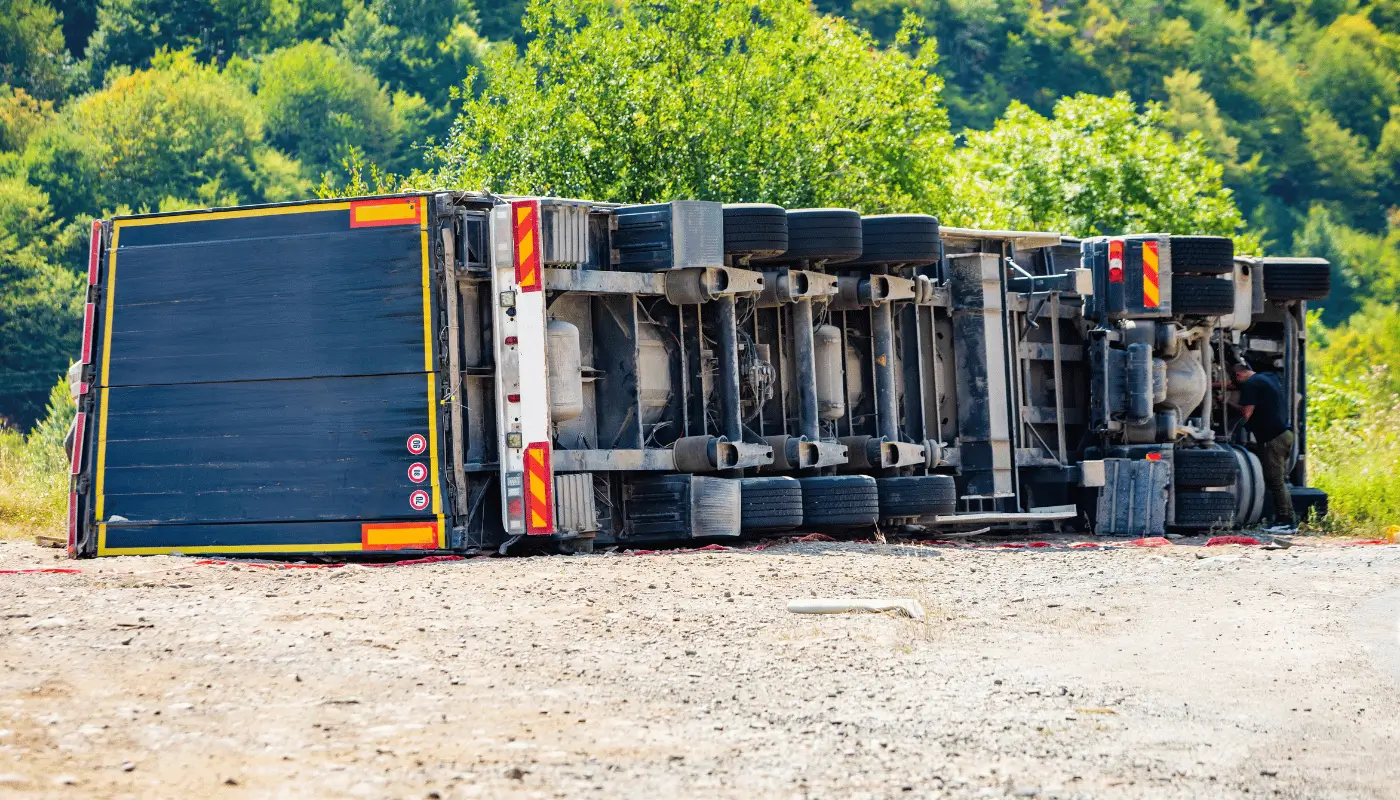
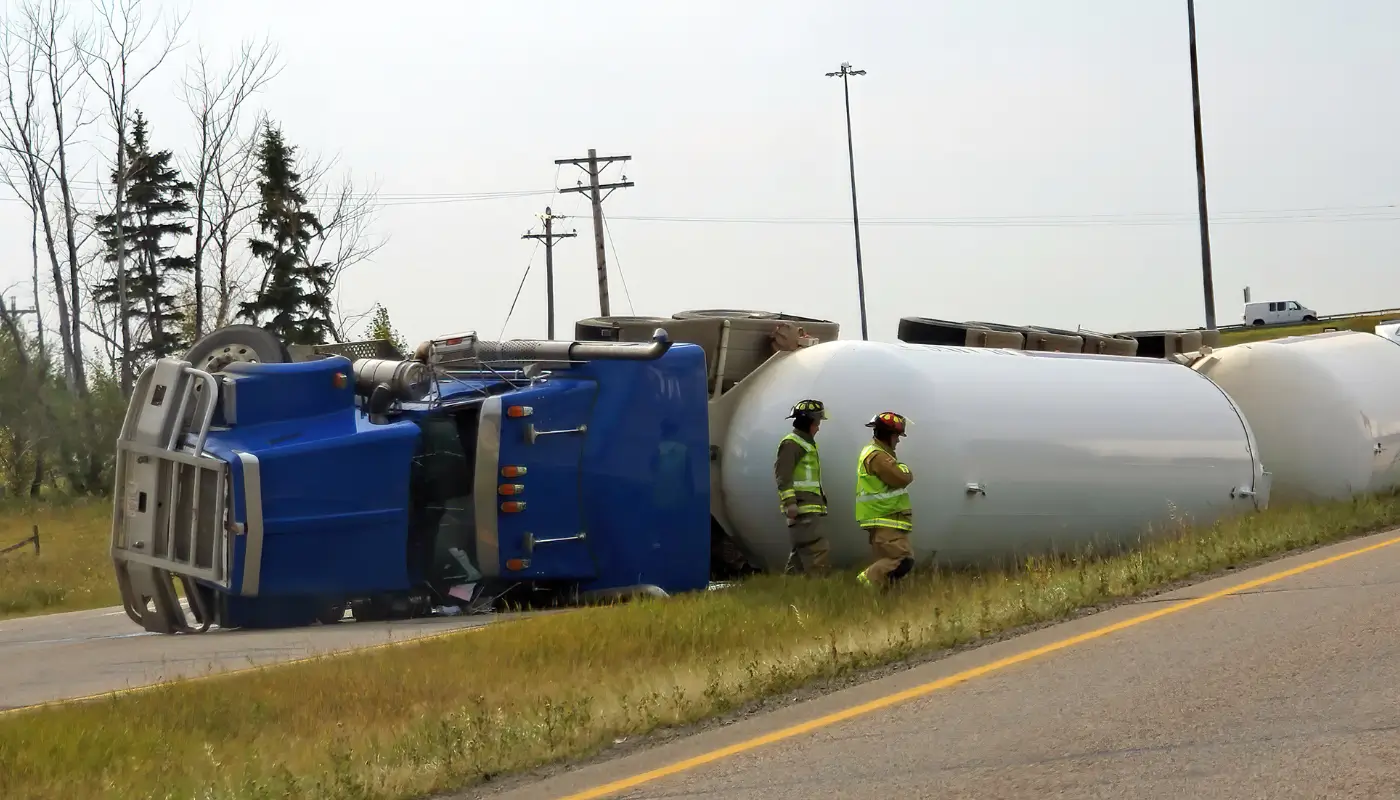
- Traffic accidents;
- Adverse weather conditions;
- Human error;
- Cargo damage;
- Tracking and communication issues.
What are the 4 basic processes of risk management?
Managing risks in freight transport is not just about reacting when something goes wrong; it is about preventing problems before they happen. To do this, you need to follow a structured process that helps identify risks, create solutions and keep everything under control in the fleet's day-to-day operations.
This process can be divided into four stages:
1 – Risk identification
Before anything else, you need to know which risks can affect your operation.
This means analyzing both internal factors (such as fleet maintenance and driver behavior) and external ones (such as route safety and road conditions).
So it is worth using resources such as the fleet's historical data to understand which problems have already occurred, driver feedback on the difficulties faced day to day, and market studies on highway safety and infrastructure.
2 – Risk assessment and analysis
Not every risk has the same impact. After identifying them, it is time to analyze which ones are most severe and which happen most frequently.
This way, you set priorities and direct resources to the most critical points.
For example, if your fleet suffers many delays due to mechanical problems, it may be time to review the frequency of preventive maintenance. If cargo theft is a constant threat, on the other hand, the focus may be on reinforcing vehicle tracking and planning safer routes.
3 – Developing prevention strategies
At this point, you already know which risks are the main ones and which need more attention, so it is time to act.
The goal is to reduce the likelihood of incidents as much as possible. So you can consider strategies such as adopting and implementing new technologies, training drivers and establishing new internal processes.
4 – Risk oversight and control
There is no point in creating a plan and forgetting it in a drawer. For risk management to work, you need to keep constant track of the fleet's performance and adjust strategies when necessary.
Using tracking technology, telematics systems and incident reports allows the fleet manager to adjust actions and react quickly if unexpected problems arise.
After all, the more control you have over the fleet's risks, the fewer unpleasant surprises will appear along the way.
How do you build a risk management plan?
Having a fleet risk management plan in freight transport is essential to avoid losses and ensure that your operation runs without problems.
But this does not just mean creating a document and setting it aside – this plan needs to be structured, practical and regularly updated, in line with the reality of your fleet.
Here is the step-by-step guide to building a risk management plan:
Define the objectives and scope
Before rushing to create strategies, you need to define what you want to achieve with this plan. For example, ask: which risks concern your operation the most? Is your main focus avoiding theft? Reducing mechanical failures? Cutting accident costs?
Defining clear objectives helps better direct efforts and investments.
In addition, the plan should take into account the size of the fleet, the routes used, the type of cargo transported and the driver profile. The more aligned it is with the reality of your operation, the better the results!
Map the risks in detail
Now that the objectives are defined, it is time to understand exactly which risks can compromise your fleet.
This mapping needs to consider both internal and external factors, such as:
- Vehicle condition: the fleet's maintenance level affects safety on the road.
- Routes used: there are dangerous regions that can be avoided.
- Driver behavior: speeding and lack of attention are frequent risks.
It is a good idea to use your fleet's historical data, incident reports and driver feedback to identify the biggest risks — the first of the 4 steps of risk management.
Identify tailored prevention strategies
Once you understand what the risks are, it is time to think about how to keep them from becoming real problems. Each identified risk needs to have a prevention strategy.
For example, to avoid mechanical failures, implement regular preventive maintenance and use electronic checklists. To minimize cargo theft, adopt real-time tracking, choose safer routes and instruct drivers on procedures in the event of a holdup.
The important thing is to create realistic and viable solutions for your operation, ensuring they are applied in the fleet's day-to-day operations.
Define emergency actions
Even with a good prevention plan, the unexpected can happen. That is why your fleet needs a well-defined response plan to handle emergencies quickly and effectively.
What should you do in case of cargo robbery or theft? Define channels for immediate communication and safety procedures for drivers.
How should you act in case of an accident? Create a protocol for contacting emergency teams, insurers and customers.
A mechanical problem in the middle of the road? Have a support plan for fast roadside assistance and minimize delays.
These actions should be communicated clearly to everyone on the team, ensuring that drivers and operators know exactly how to act in any situation.
How do you manage risks in freight transport?
Building a risk management plan is an essential step, but it only works in practice if there is ongoing management.
After all, the challenges of the road change all the time – new risks can emerge and strategies need to be adjusted to ensure that the fleet keeps running safely.
The best practices for carrying out good fleet risk management are:
Have well-defined routines in managing your vehicle fleet
The foundation of good risk management starts with organizing the operation. When internal processes are well defined, the chances of failures and unexpected events drop drastically.
To do this, make sure your fleet is carrying out the basic and indispensable activities, such as the daily vehicle inspection checklist, a preventive maintenance schedule, periodic tire inspection, and so on.
When everything is structured, your operation becomes more predictable and safe.
Plan your delivery routes with the help of smart route planners
Not all routes are safe, and choosing the wrong path can mean major risks for your cargo and your fleet.
That is why route planning needs to be done strategically, considering factors such as regions with high rates of cargo theft, traffic conditions and safe stopping points.
Smart route planning tools, which work based on artificial intelligence, help find the best path, reducing risks and increasing delivery efficiency.
Build a team of good and experienced drivers and operations staff
The team that operates the fleet plays a fundamental role in risk management. In fact, well-trained drivers and prepared operations teams make all the difference in keeping the operation safe and efficient.
Beyond hiring, it is also important to invest in continuous training, active communication and performance evaluations. In other words, when everyone knows exactly how to act in risk situations, the fleet is better protected.
Engage good suppliers and partners
Risk management in freight transport also involves the suppliers and partners that are part of your logistics chain.
That is why you should choose companies that offer quality parts and services, efficient cargo insurance, and reliable distribution centers and warehouses.
Working with qualified partners increases safety and reduces your fleet's exposure to unexpected problems.
Use the fleet risk management plan as strategic support
The fleet risk management plan should not be a document forgotten in a drawer. On the contrary, it needs to be a practical guide, reviewed and updated regularly to keep up with the reality of your operation.
Make sure to share the guidelines with the whole team, since everyone needs to be aligned with the safety measures.
Use fleet management technologies in freight transport
Technology is a great ally in risk prevention and helps make the operation safer and more efficient.
Some solutions include smart route planning, real-time tracking solutions or onboard cameras, maintenance management systems, electronic checklists, and much more.
In this way, by using technology, it is possible to anticipate and minimize risks, as well as make decisions better suited to the operation's day-to-day reality.
As you can see, building a fleet risk management plan is only the beginning. Beyond that, you also need to put it into practice and keep constantly updating it for new risk situations.
Now that you know how to minimize risks in the operation, how about taking a step further? Download our Fleet Management Guide for free (in Portuguese).
Frequently asked questions
What are the main risks in freight transport?
What are the 4 basic processes of risk management?
How do you build a fleet risk management plan?
What should you do in case of cargo theft or an accident on the road?
Which practices help manage fleet risks day to day?
// newsletter
Fleet management content, straight to your inbox
Articles on tires, maintenance and fleet operations. No spam.