Fleet managers: maximum safety through risk management
 Jade Zart 4 min read
Fleet risk management is necessary for several reasons, since different aspects of fleet management safety can affect your operations.
And the benefits of this practice range from preventing accidents to increasing operational efficiency. That is why it is important to have a fleet risk management plan and know the best ways to implement the actions it sets out.
Here is what you will learn:
- The manager’s role in fleet safety;
- What risk management is;
- How to implement a risk management plan.
What is the manager’s role in fleet safety?
The fleet manager is primarily responsible for organizing processes and generating new ideas for actions to improve fleet operations. The manager must also encourage good transport practices, providing the most appropriate training and managing behavior on the road.
In addition, the manager also oversees other aspects that can influence fleet safety. For example, the manager must organize and provide the tools and correct schedule for vehicle maintenance, keeping vehicles in suitable driving condition to prevent accidents.
What is risk management?
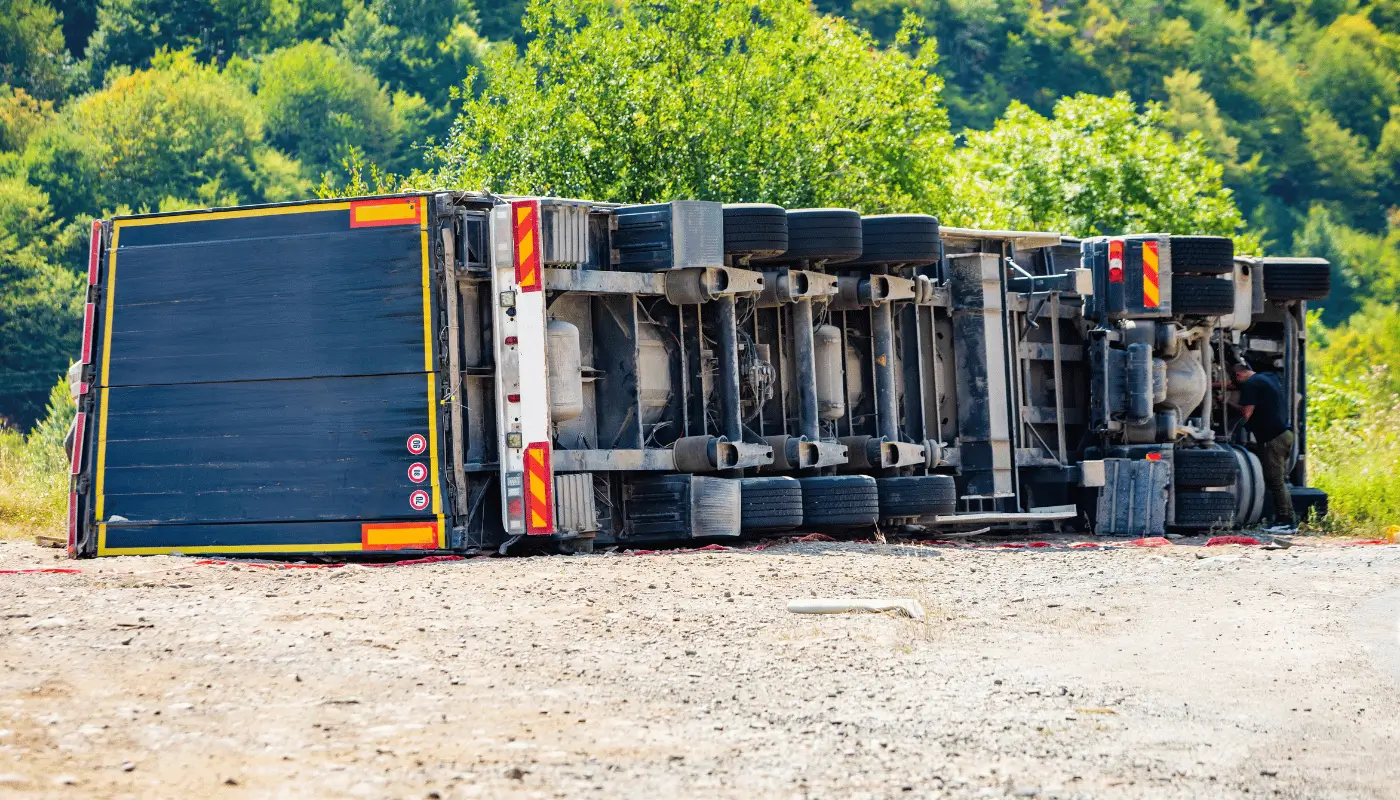
Fleet risk management is a process of identifying, understanding and developing solutions and action plans to mitigate potential risks. Since risks in transport operations vary and can include traffic accidents, vehicle problems or cargo theft, it is necessary to know how to handle each situation.
Some can be more common, such as a mechanical failure in a truck, and in these cases the driver already knows how to act and whom to turn to.
However, other problems occur less often, and may even be happening for the first time. These are the moments when the driver needs a protocol to follow in order to minimize the consequences and result in smaller losses.
The main goal, which defines the importance of fleet risk management, is to ensure driver safety, vehicle integrity and the company’s reputation.
How can you implement a risk management plan?
Identifying the risks to your operation
A first and essential step toward implementing risk management in your fleet is to identify the risks your company faces.
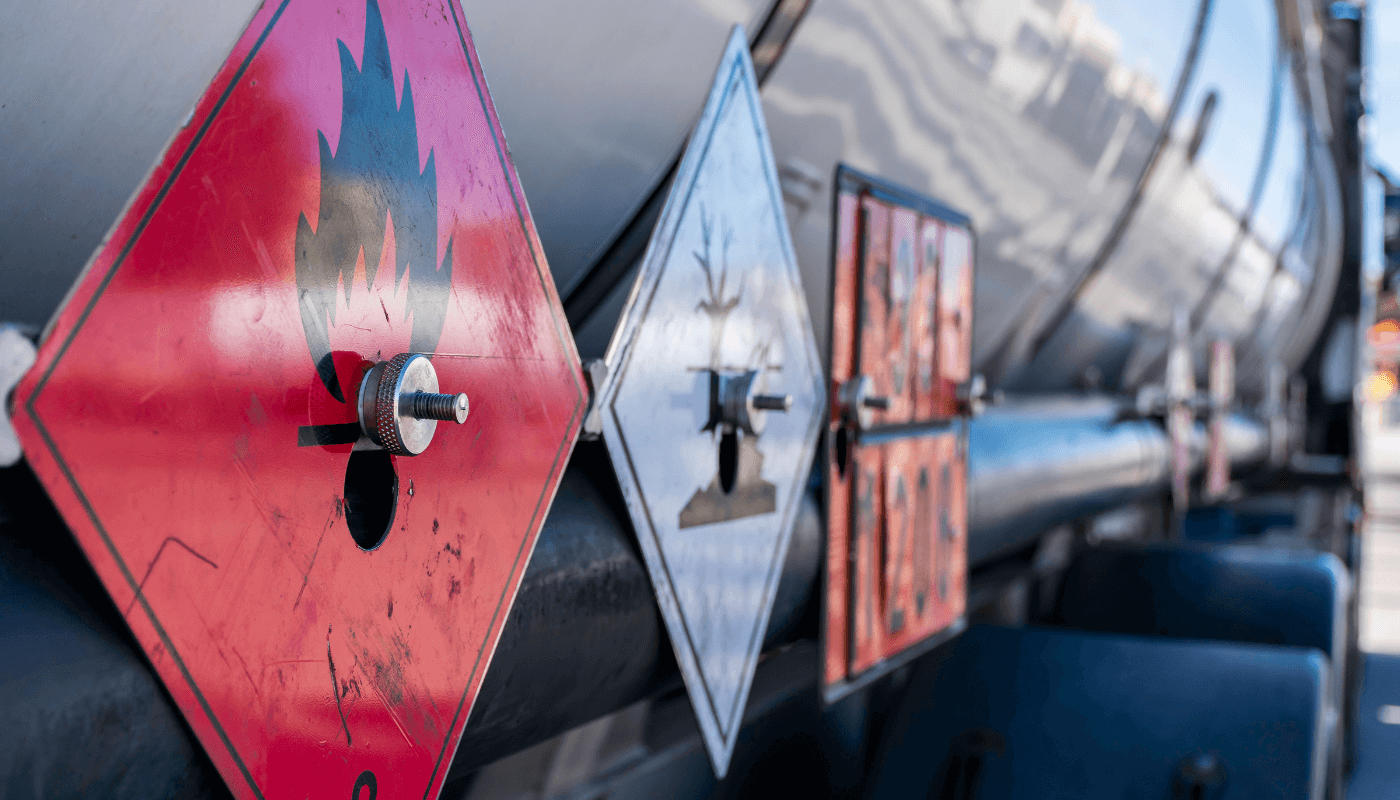
In a fleet transporting electronic products, for example, the risk of cargo theft is high. In an operation transporting chemicals, the risk of explosion or leaks is greater.
So the first step is to fully recognize what the fleet does in its routine and the associated risks.
Assessing the likelihood of occurrence
After identifying the likely risks, you can classify them by their likelihood of occurring. This can be influenced by external or internal factors, such as the region where your company operates, seasonal conditions and the quality of vehicle maintenance.
In your assessment, analyze which risks are most likely to occur and the size of each one’s impact. This will help you prioritize your actions and resources.
Establishing fleet safety policies
Once the risks have been identified and the priority list defined, you can move to the next step: establishing a risk management plan. In other words, you will be establishing the fleet’s safety policies.
Here, you need to address every aspect of fleet safety, including behavior on the road, vehicle upkeep and vehicle loading and unloading (or delivery stops).
Your safety policy should include:
- Defensive driving practices;
- The correct use of equipment and tools;
- Guidance on rest periods;
- Traffic laws and fines that apply to the fleet (in Portuguese);
- Among others.
What matters most is that all rules and policies are clear and well communicated, avoiding misunderstandings and ensuring compliance with all of them.
Implementing ways to monitor and assess fleet safety
To measure the effectiveness of your fleet risk management plan, you need suitable ways to keep track of and analyze the actions implemented. Depending on the information you want to keep track of, you may need different technological solutions.
For example, monitoring driver behavior on the road requires a telematics system or similar technology.
On the other hand, to check whether maintenance is taking place correctly, you should use an electronic checklist platform and/or a maintenance management system.
There are many possibilities you should explore to learn which solutions are most appropriate for your operation.
To learn even more about fleet safety and actions to apply in your risk management, download the Traffic Safety Guide for free (in Portuguese).
Frequently asked questions
I never know what to do when something unexpected happens to a truck on the road. How can I get organized?
How can I put together a risk management plan for my fleet?
What needs to be written in a fleet’s safety policy?
How can I tell whether the fleet risk plan is working?
What is the difference between the manager’s and the driver’s roles in fleet safety?
// newsletter
Fleet management content, straight to your inbox
Articles on tires, maintenance and fleet operations. No spam.