A guide to risk management in freight transport
 Jean Zart 8 min read
Risk management in freight transport is a necessity, not a luxury. In a sector where any unexpected event can turn into a loss, ignoring risks leaves room for issues such as cargo theft, accidents, fines, delays, mechanical failures, weather events and infrastructure limitations.
Worse still, these issues affect finances and the operation's reputation. However, it is possible to reduce these risks significantly through planning, technology and more strategic management. That is exactly what you will learn in this guide.
Here is what you will learn:
- What is transport risk management?
- What are the main freight transport risks?
- The role of maintenance and tire management in risk management
- 5 stages for efficient risk management
If you want more safety, control and predictability in your operation, this is the right post. Shall we get started?
What is transport risk management?
Risk management in freight transport is a set of strategies and practices adopted to identify, assess and mitigate threats, always considering the reality of logistics operations. This includes everything from accidents, theft, damage and delays to mechanical failures, weather events and infrastructure restrictions that affect supply chain safety, efficiency and profitability.
Implementing effective risk management involves:
- Risk identification: recognizing potential adverse events that may occur during transport.
- Risk assessment: analyzing the probability and impact of these events.
- Implementing control measures: adopting preventive and corrective actions to minimize or eliminate identified threats.
- Continuous monitoring: keeping track of operations to detect new setbacks and assess the effectiveness of measures implemented.
Adopting specific standards and systems, such as SASSMAQ (Safety, Health, Environment and Quality Assessment System), developed by the Brazilian Chemical Industry Association (ABIQUIM), is common practice in the sector in Brazil.
SASSMAQ aims to improve safety and quality in transport operations, especially of hazardous products, promoting continuous improvement of logistics processes.
By adopting these practices, transport companies can significantly reduce incidents, improve operational safety and increase customers' confidence in the services provided.
What are the main freight transport risks?
In freight transport, dealing with setbacks is routine — but ignoring them opens the door to financial losses, lost customers and serious impacts on company reputation. That is why knowing the main risks is the first step toward avoiding them with effective prevention and control. Structural bottlenecks should also be mapped; see other freight transport problems that affect logistics flow.
Below are the main risks in transport operations:
1. Cargo robbery and theft
Cargo theft remains one of the greatest threats to logistics in Brazil. In 2023, more than 13 thousand incidents were recorded on Brazilian highways alone, causing losses of R$ 1.2 billion, according to NTC&Logística. The most affected states are Rio de Janeiro, São Paulo and Minas Gerais.
2. Accidents and loss events
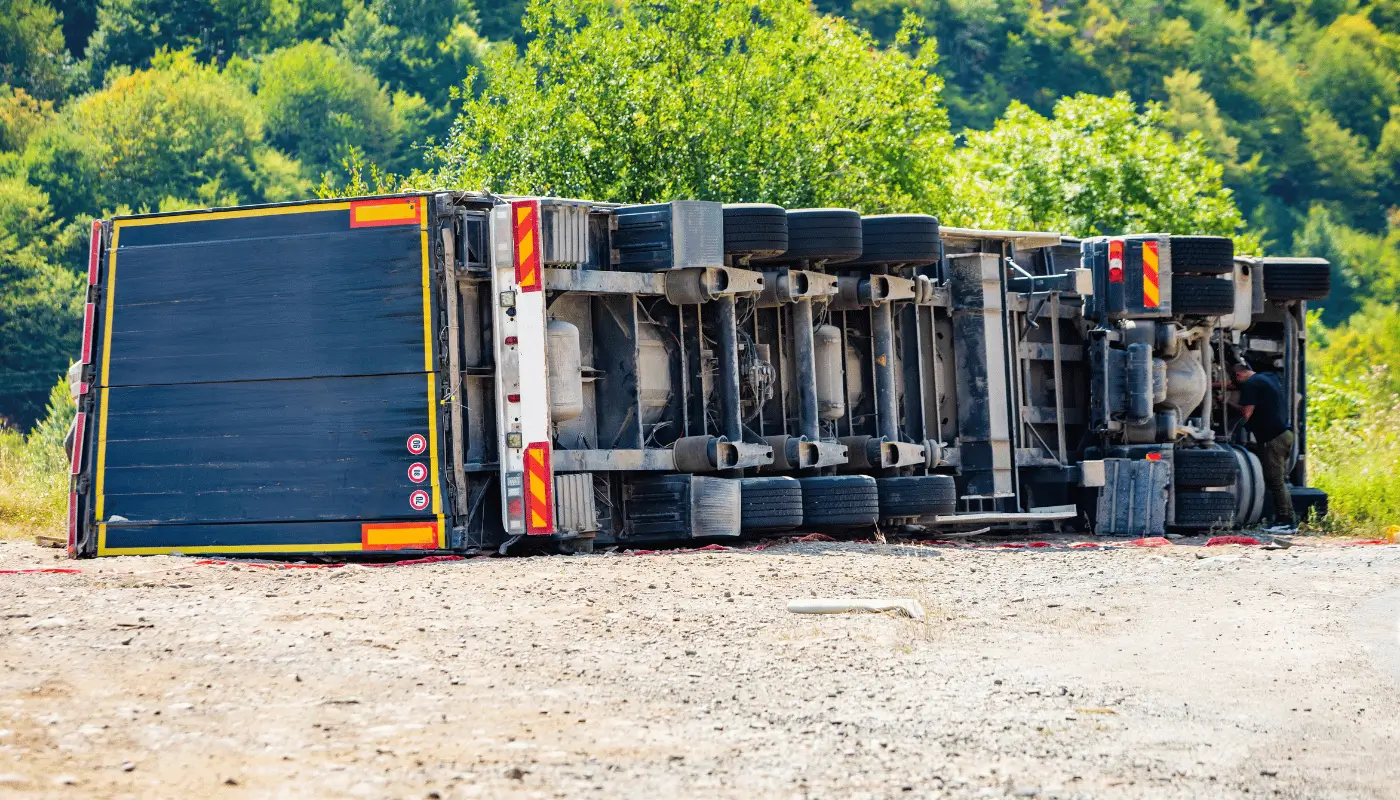
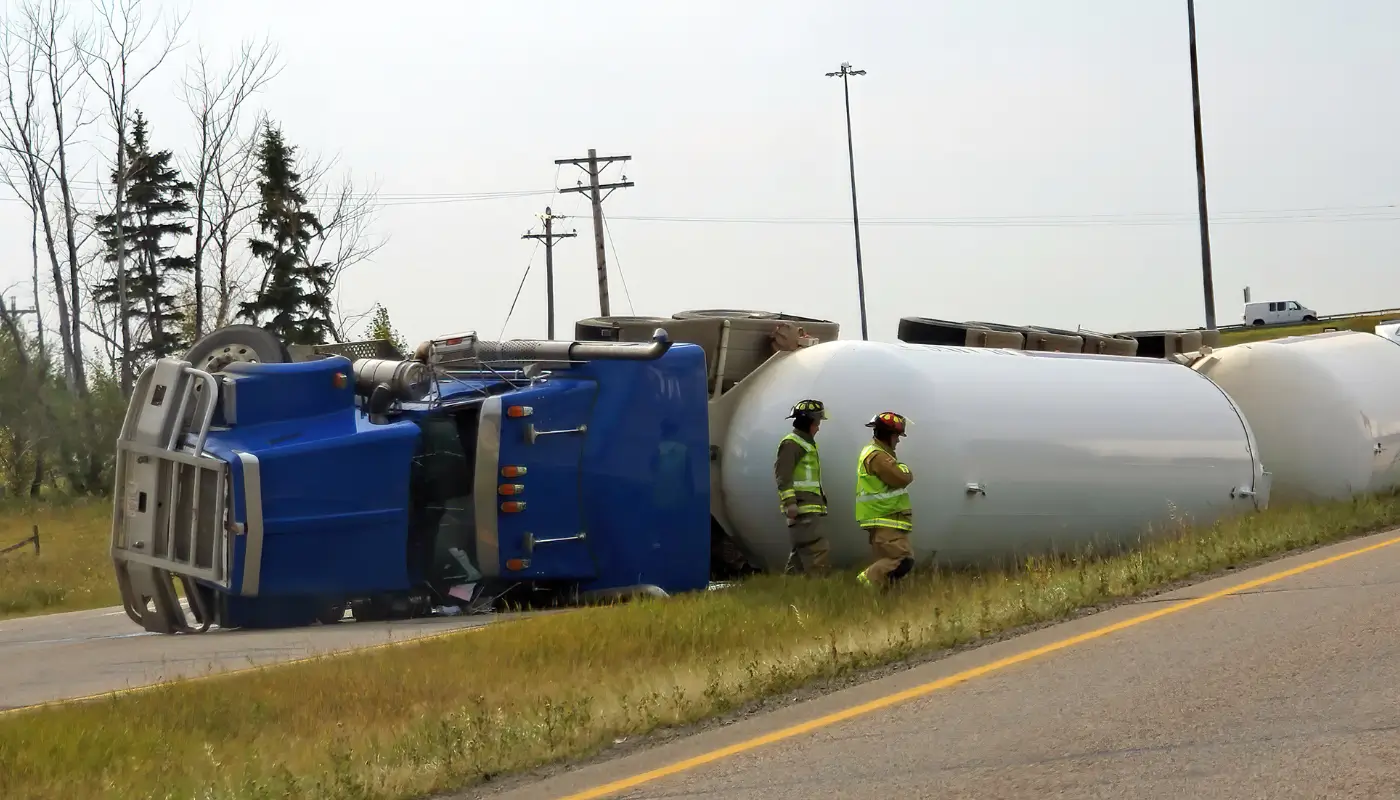
According to CNT (Brazil's National Transport Confederation), from 2016 to 2023, accidents involving fatalities on Brazil's federal highways averaged 4,795 per year. Besides the losses, the financial damage is considerable, with the accumulated total cost of accidents from 2016 to July 2024 reaching R$ 125.56 billion.
3. Weather and environmental factors
Intense rain, fog, flooding, droughts or landslides can interrupt journeys and put cargo and drivers at risk. Although carriers cannot control these factors, they require alternative routes and real-time communication to minimize impacts.
Climate risk needs to be treated as part of route and infrastructure planning. Brazil's Ministry of Transport's AdaptaVias Project states that climate risk assessments help determine the need and urgency of adaptation measures, plan actions and set aside resources. Brazil's PNL 2050 logistics plan also brings together climate vulnerability indicators, including flood and drought risks.
Projections reinforce the need to review contingency plans. INMET, Brazil's National Institute of Meteorology, indicated a probability above 90% of a very strong El Niño event in spring and summer 2026–2027 in the Southern Hemisphere. A technical note released by INPE, Brazil's National Institute for Space Research, lists possible effects including a precipitation deficit in areas of the Amazon, especially the east, and drier conditions in parts of Brazil's North and Northeast regions. The scenario may change, so climate monitoring itself should guide periodic plan reviews.
River infrastructure also offers a concrete example of adaptation: a module will be detached from the structure installed at Super Terminais in Manaus and transported by river to Itacoatiara. The module will carry three electric cranes integrated into a structure designed to operate during navigation restrictions on the Amazon River. For logistics risk management, such cases show why seasonal navigation restrictions, operational capacity and route alternatives need to appear on the same risk map.
4. Lack of vehicle maintenance
When preventive maintenance is insufficient, the risk of breakdowns, tire blowouts and brake system failures increases considerably. This compromises safety and increases corrective maintenance costs and impacts on deliveries.
5. Lack of team training
Drivers without proper training or knowledge of defensive driving and first aid pose a major threat. As well as increasing accident risk, poor driving generates more vehicle wear and operational losses.
These risks show that freight transport safety goes far beyond simply driving a truck on the road. It is a daily responsibility requiring control, technology and constant team training.
The role of maintenance and tire management in risk management
In freight transport risk management, maintenance and tire management play a strategic role. After all, 3 in every 10 heavy vehicle accidents are caused by mechanical failures — many directly related to the condition of tires, brakes or other components that could have been checked beforehand.
Keeping maintenance up to date and controlling fleet tires efficiently drastically reduces the chance of unexpected breakdowns, tire blowouts, retreading rejections and other issues that compromise operational safety, schedules and financial health.
See how each area contributes directly to risk prevention:
Preventive maintenance management
- Prevents breakdowns on the road, reducing the risk of accidents and delays
- Extends fleet useful life, reducing corrective maintenance costs
- Increases vehicle availability, improving operational efficiency
- Ensures compliance with safety regulations, avoiding fines and vehicles being barred from operation
Tire management
- Keeps track of wear at each inspection, preventing blowouts and lost retreading opportunities.
- Reduces CPK (cost per kilometer), with pressure control, rotation and well-executed retreading
- Prevents loss events caused by bald or damaged tires
- Provides reliable data for decision-making and supplier negotiations
In summary, with technology, planning and data analysis, you prevent failures, act before issues occur and keep operations safe and productive.
5 stages for efficient risk management
Efficient freight transport risk management does not have to be complicated — but it requires a method. When you structure the process into clear stages adapted to your operation's reality, results follow: fewer unexpected events, more safety and lower operating costs.
Here are five practical stages to implement management aimed at fleet risk reduction:
1. Map operational risks
The first step is to identify everything that can go wrong. This includes dangerous routes, areas with high cargo theft rates and excessive driver working hours, as well as recurring mechanical failures, stretches prone to floods or landslides and seasonal infrastructure restrictions. The more detailed this mapping, the better the action plan.
2. Create prevention and contingency protocols
With risks mapped, define procedures to avoid them and also know what action to take if they occur. This involves inspection checklists, preventive maintenance routines, team training, cargo insurance, smart route planning and escorts, for example.
In rainy-season emergencies, measures adopted by DNIT, Brazil's National Department of Transport Infrastructure, include preventive signage, detours, road clearance and restoration. A consistent route management process helps keep route alternatives organized.
3. Invest in technology
Using fleet management software, sensors, trackers, telematics and specialized apps can support alerts and data-based decisions. These industry technologies should be combined with records made by the team, checking procedures and defined responsibilities; no tool replaces a contingency plan.
4. Train your team constantly
Drivers, mechanics and managers need to be aligned on unexpected events and the importance of following protocols. Risk management should be part of company culture, with regular training, internal campaigns and feedback based on real indicators.
5. Monitor results and adjust the plan
Use dashboards, loss event indicators, maintenance control and tire performance to assess what is working and what needs to improve. Also include events by route, detours, weather-related stoppages and infrastructure issues. Continuous monitoring of weather conditions allows forecasts to be improved and supports planning, prevention, mitigation and response actions. Your operation can then review its plan according to the context and become increasingly safe and profitable.
When losses or disruptions occur in the flow, it is also worth documenting how lost cargo was handled and using the event to adjust controls, responsibilities and procedures.
Managing freight transport risks means ensuring safety, efficiency and competitiveness. And, as you have seen, this is only possible with well-defined processes, integrated technology and an engaged team. The good news is that you do not have to do this alone.
Prolog has prepared a complete e-book on fleet management, with practical tips to optimize your operation, reduce failures and increase profits. Make the most of it!
Download Prolog's free fleet management e-book now. (in Portuguese)
Frequently asked questions
Which risks most affect freight carriers in Brazil?
Does keeping maintenance up to date really reduce accidents?
Is there a standard for transport risk management?
How do I structure risk management for my operation?
What is the difference between maintenance management and tire management in risk prevention?
What should you do when heavy rain or a landslide closes a route?
// newsletter
Fleet management content, straight to your inbox
Articles on tires, maintenance and fleet operations. No spam.