Dangerous goods placards: how to mark the truck
 Jade Zart 4 min read
Signage in freight transport is very important, especially when we talk about the transport of dangerous goods.
It is a way of protecting the vehicle and the lives of the driver and third parties. After all, when signage is done correctly, other drivers become more careful when driving around the truck.
Whether by keeping a greater and safer driving distance or by avoiding overtaking, signage allows drivers to drive more responsibly and cautiously in traffic.
Learn more:
- What signage in freight transport is;
- How signage works on transport vehicles;
- How to mark the truck and position the placards correctly.
What is signage in freight transport?
Signage in freight transport is a way of identifying vehicles that carry dangerous cargo or are very long. It is an obligation that transport companies must meet.
This signage serves to increase safety in freight transport, preventing accidents and also penalties at inspection checkpoints.
How does cargo signage work?
In general, the signage on cargo vehicles is used with the intention of showing other drivers on the road the vehicle type and the product being transported.
That is why the identification on each placard shows whether the cargo is flammable, chemical, toxic, gases, and so on. For the road transport of dangerous goods on public roads in Brazil's national territory, the current regulation from ANTT (the National Land Transportation Agency) is Resolution No. 5.998/2022, and the classification of dangerous goods must comply with the Complementary Instructions annexed to the regulation.
Want to see this in your fleet? Talk to a Prolog specialist
How to mark the truck?
To carry out proper signage in freight transport, the manager needs to know what information is required for the signage and to use the means of communication and positions determined for each case.
Check out the main information and which items are mandatory in truck signage:
Mandatory information in signage
Brazilian traffic legislation sets out some obligations for freight transport trucks:
Signage for long vehicles
Any cargo vehicle measuring more than 19.8 meters must display its length on the rear of the vehicle.
It is a way of telling drivers the distance and time needed to overtake safely on the road.
Signage for “Cargo Vehicle Combinations” (CVC)
When more than one cargo vehicle is combined in the same truck, it is identified as a “combination” vehicle.
These vehicles are more susceptible to rollovers and also usually travel at lower speeds than others, giving other drivers more opportunities to overtake.
Their signage is essential to alert other travelers to the care they should take when driving near this truck.
Signage in dangerous cargo transport
Dangerous cargo requires two main pieces of information displayed on the vehicle, which are:
- Safety Panel: it has a rectangular shape and an orange background with black borders. It shows the cargo's hazard number and the UN (United Nations) number, information that identifies how much risk the goods pose if an accident occurs.
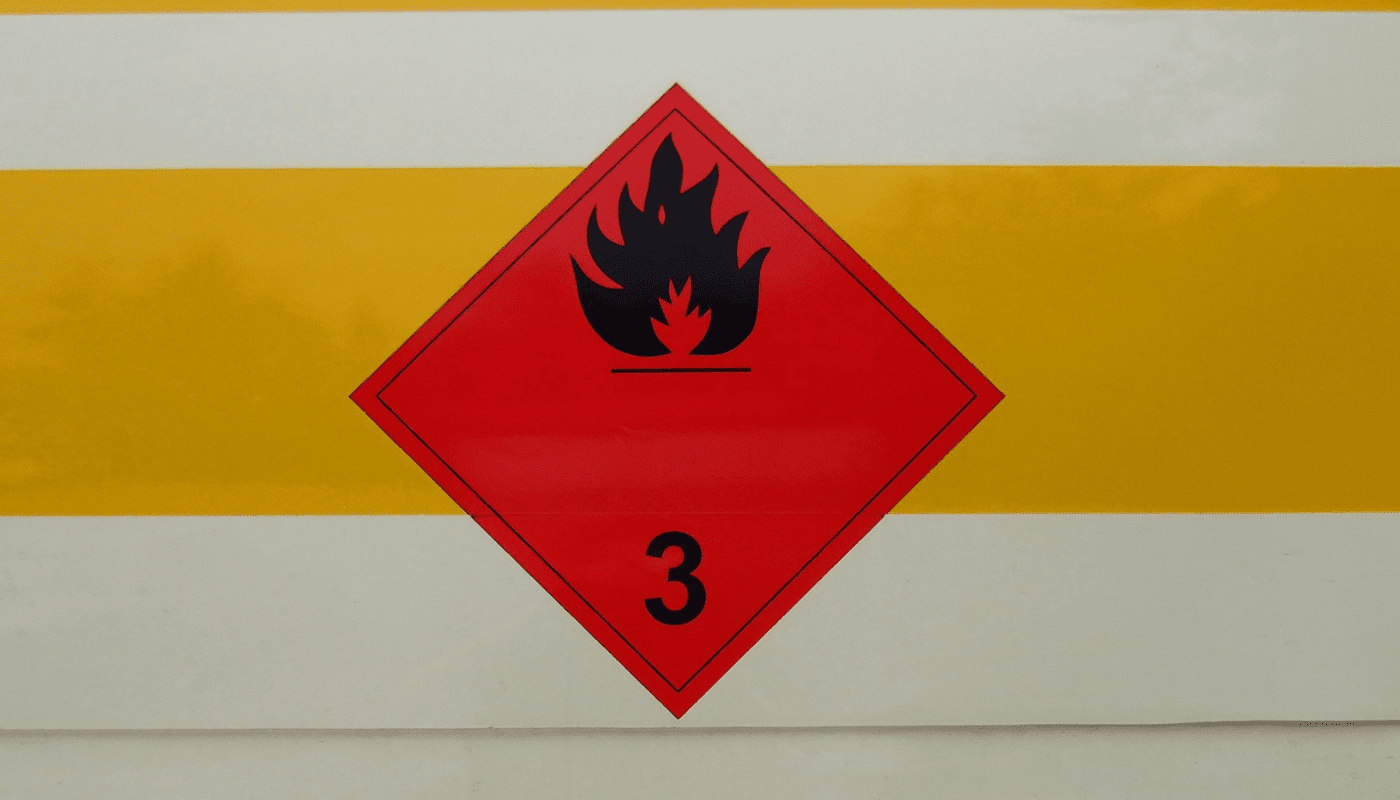
- Hazard Label: it is diamond-shaped and shows an illustration of the type of hazard the product presents. In addition, it carries the product description and the hazard class number (which can range from 1 to 9). The color of the placard also helps identify the cargo class, so it is a point to watch when marking your vehicle.
ANTT Resolution No. 5.998/2022 also reinforces that vehicles and equipment used to transport dangerous goods must be properly marked, with identification elements suited to the products transported.
Positioning of signage placards in freight transport
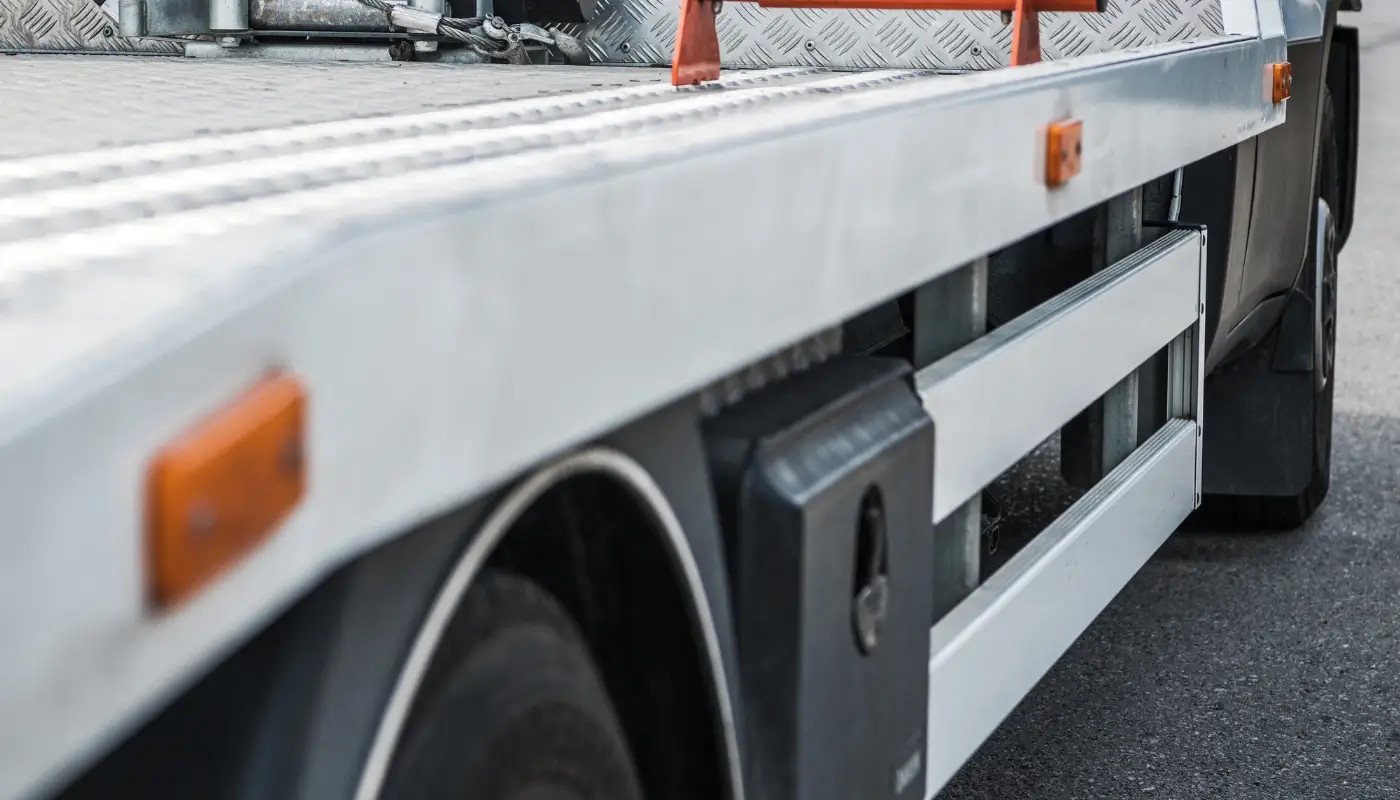
Signage in freight transport can be positioned on the side, front or rear of the vehicle. Each one has different characteristics:
- Side: the placard must be close to the rear of the vehicle, and the safety panel and label go at the vertical center.
- Front: the panel must be fixed on the lower part and close to the reflective strip.
- Rear: panel and label must mandatorily be fixed.
What other actions help increase safety in freight transport?
Recognize and prepare for risks
There are several risks in freight transport that end up not being addressed in the fleet's routine because they rarely happen. However, when they do happen, it is important that all employees are prepared and know how to act in the situation.
That is why identifying possible dangerous situations and having a containment plan is essential in your transport operation.
Know how to distribute loads correctly
Load distribution on the truck is as important as the other aspects of managing a fleet. A product positioned incorrectly can harm the cargo itself, damage the truck and even cause accidents on the route.
Some of the most used methods are by type or according to the route. However, when we talk about dangerous goods, they are transported exclusively in each vehicle — which must have the specific signage for this.
Standardize safety procedures
Having defined safety actions, such as vehicle inspection, signage in freight transport and route monitoring, is a good way to control and set the standards needed to optimize fleet safety.
Discover other ways to improve your fleet management in our free material — download the Fleet Management Guide (in Portuguese).
Frequently asked questions
How do you place dangerous goods placards on the truck?
Which placards does dangerous goods transport require?
When does the truck need to signal its length?
How many products are considered dangerous in transport?
What other actions increase safety in freight transport?
// newsletter
Fleet management content, straight to your inbox
Articles on tires, maintenance and fleet operations. No spam.