Fleet tire theft: where it happens and how to prevent it
 Jade Zart 5 min read
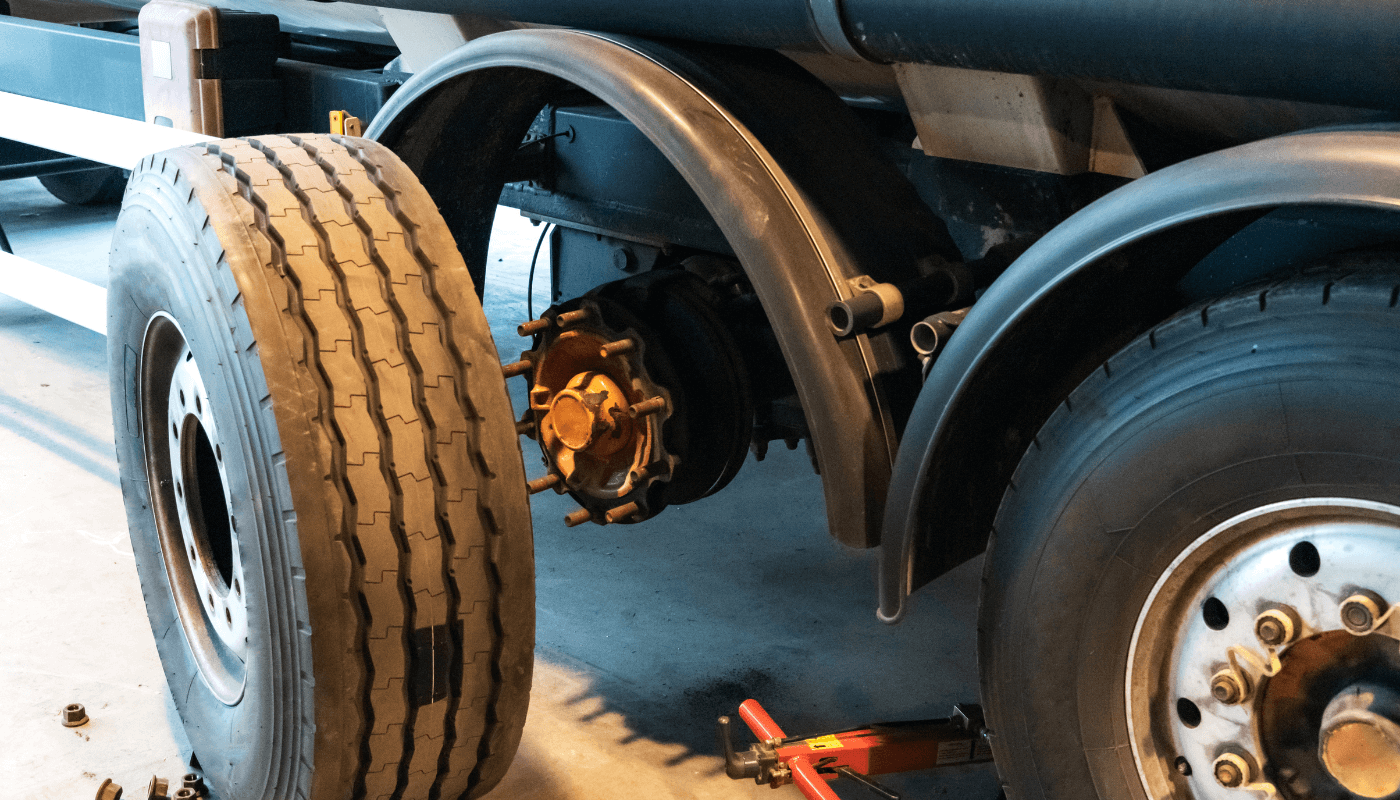
Fleet tire theft can pose a challenge, directly affecting business safety and operational efficiency.
It is a factor that increases transport operating costs, as the assets have to be replaced.
There are also other consequences, such as delayed deliveries, vehicle unavailability and recovery of the vehicle if the theft occurred during a roadside stop.
Read on for:
- Impacts of fleet tire theft;
- Common situations involving fleet tire theft;
- Theft prevention technologies for fleets;
- How to control tires in a truck fleet.
Impacts of fleet tire theft
Fleet tire theft can result in delivery delays, indirect asset replacement costs and risks to driver safety, leaving drivers more vulnerable.
See more details:
Increased operating costs
Every tire stolen from a fleet vehicle has a direct impact on operating costs.
The need for immediate replacement to keep the vehicle running means the company will have unplanned expenses, affecting the business budget.
Besides the price of the tires themselves, theft can also entail related costs, such as vehicle downtime, additional work for repair or replacement and, in more serious cases, legal and administrative costs.
Disruption to transport operations
The impact of tire theft goes beyond financial aspects, affecting the company's operational logistics. A stopped vehicle means late deliveries.
The efficiency and reliability of the service offered are in the spotlight, and the time needed to resolve such disruptions can vary depending on immediate availability of replacement tires and the maintenance team's speed.
Driver safety
The risks associated with fleet tire theft are not limited to financial and operational issues; they also encompass driver safety.
In many cases, thefts occur in remote areas or during vulnerable nighttime hours, exposing drivers to dangerous situations.
That is why it is essential to plan routes and strategic stops along fleet journeys — especially long-distance ones.
Impact on the company's image
Frequent tire theft can harm a transport company's reputation.
Customers and partners seek reliability and security, and recurring incidents can suggest a lack of control or adequate preventive measures.
Negative perceptions can spread quickly, especially in the age of social media and online review platforms, resulting in a public image that can deter potential customers and affect business relationships.
It is therefore essential for transport companies not only to address theft efficiently to prevent it, but also to communicate the preventive actions being taken to protect their assets and services.
Common situations involving fleet tire theft
Unsafe stops
Vehicles parked at unsafe stops are highly vulnerable.
Remote areas without any surveillance become favorable settings for criminal activity.
Even riskier are breaks in poorly lit or low-traffic locations, creating opportunities for fleet tire theft to occur without witnesses or obstacles.
Makeshift parking lots
The lack of security infrastructure, such as sturdy fences, adequate lighting and surveillance cameras, turns these spaces into easy targets for thieves, exposing the fleet to unnecessary, avoidable dangers.
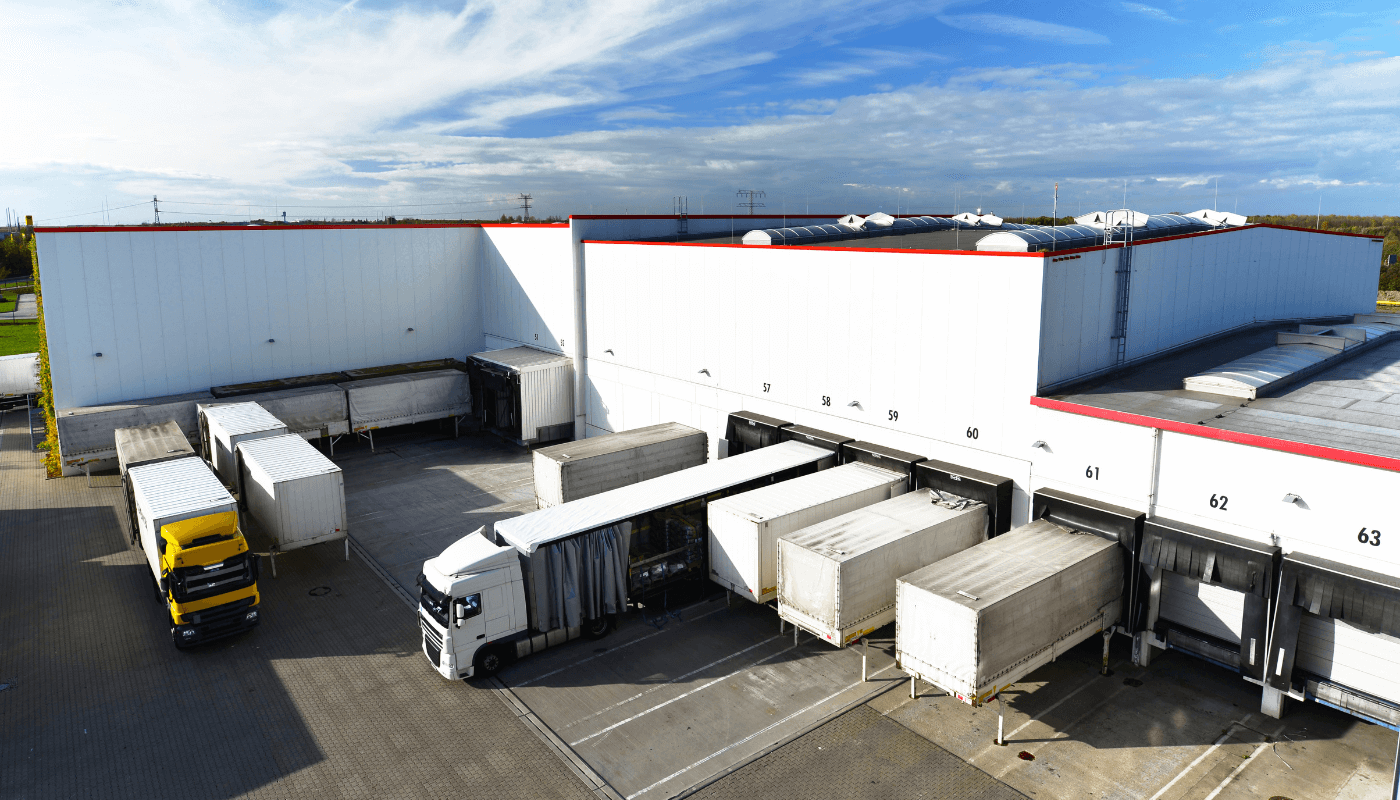
Loading and unloading locations
Loading and unloading locations are critical points where uncontrolled access increases the chances of crime.
While waiting, vehicles loaded and ready for transport but without adequate supervision become easy targets for criminals specializing in tire theft and cargo theft.
Highway robberies
Robberies on public roads are a constant danger, especially in slow-moving traffic or congestion, where vehicles are forced to slow down or stop.
Nighttime attacks, or attacks on stretches of road known for insecurity, are particularly common and can have major impacts on logistics and driver safety.
Poor storage infrastructure
Poor vehicle storage infrastructure, such as yards and garages without up-to-date security systems and constant surveillance, encourages theft.
It is essential that these locations be equipped with effective security measures to prevent fleet tire theft and even theft of other vehicle components.
Internal theft
Internal theft is a sensitive challenge, occurring when employees take advantage of weaknesses in internal security.
Uncontrolled access to restricted areas allows ill-intentioned employees to commit crimes, reinforcing the need for stricter internal oversight and a company culture strengthened by trust and integrity.
During maintenance or tire changes
Maintenance or tire change periods can provide opportunities for theft, especially in facilities without adequate surveillance.
Exposed service locations or those with poor supervision are more vulnerable, requiring strict security protocols to prevent the loss of valuable components such as tires.
Failure to use tracking devices effectively
A lack of advanced tracking technology or the use of outdated systems can fail to protect vehicles against theft.
The absence or malfunction of identification and tracking tags on tires makes criminals' work easier and asset recovery harder, highlighting the importance of maintaining a technologically up-to-date, effective security system.
Theft prevention technologies for fleets
With today's technological advances, transport and logistics companies have a range of effective measures available to combat fleet tire theft and theft of other assets.
Implementing advanced vehicle monitoring systems, for example, allows trucks to be located in real time, which can deter theft attempts.
Vehicle control and tracking centers are also essential in this context, providing a platform where immediate alerts of any suspicious activity can be received.
Using security cameras in vehicles also deters criminal activity and helps identify suspects.
Some solutions also integrate tire identification using RFID (Radio-Frequency Identification) and pressure sensors, which can alert to unauthorized tire removal.
How do you control tires in a truck fleet?
Controlling tires in a truck fleet requires an approach that encompasses everything from marking for tire identification to regular recording of tread depth measurements.
This allows companies to keep precise records of each tire, using identification and technological tools to understand assets' useful life, wear and pressure over time.
With this information, it is possible to schedule preventive maintenance, reduce the risk of issues and optimize tire purchases and replacements.
By integrating these data with fleet management software, managers can also access detailed reports and predictive analyses.
This aligns tire maintenance with the fleet's operational and financial needs, ensuring safe journeys and reducing costs from lost or damaged tires.
Want to keep receiving tips on your fleet's safety and efficiency?
Subscribe to the Prolog newsletter and receive valuable information, product updates and essential strategies for optimizing your logistics operations directly by email. Click here and subscribe now (in Portuguese)!
Frequently asked questions
What are the real costs of tire theft for a transport company?
In what situations does tire theft usually happen?
Does tire theft affect driver safety?
What technologies help prevent tire theft?
How do you control tires in a truck fleet?
Does recurring tire theft harm the company's image?
// newsletter
Fleet management content, straight to your inbox
Articles on tires, maintenance and fleet operations. No spam.